7 Signs Red Light Therapy Is Working
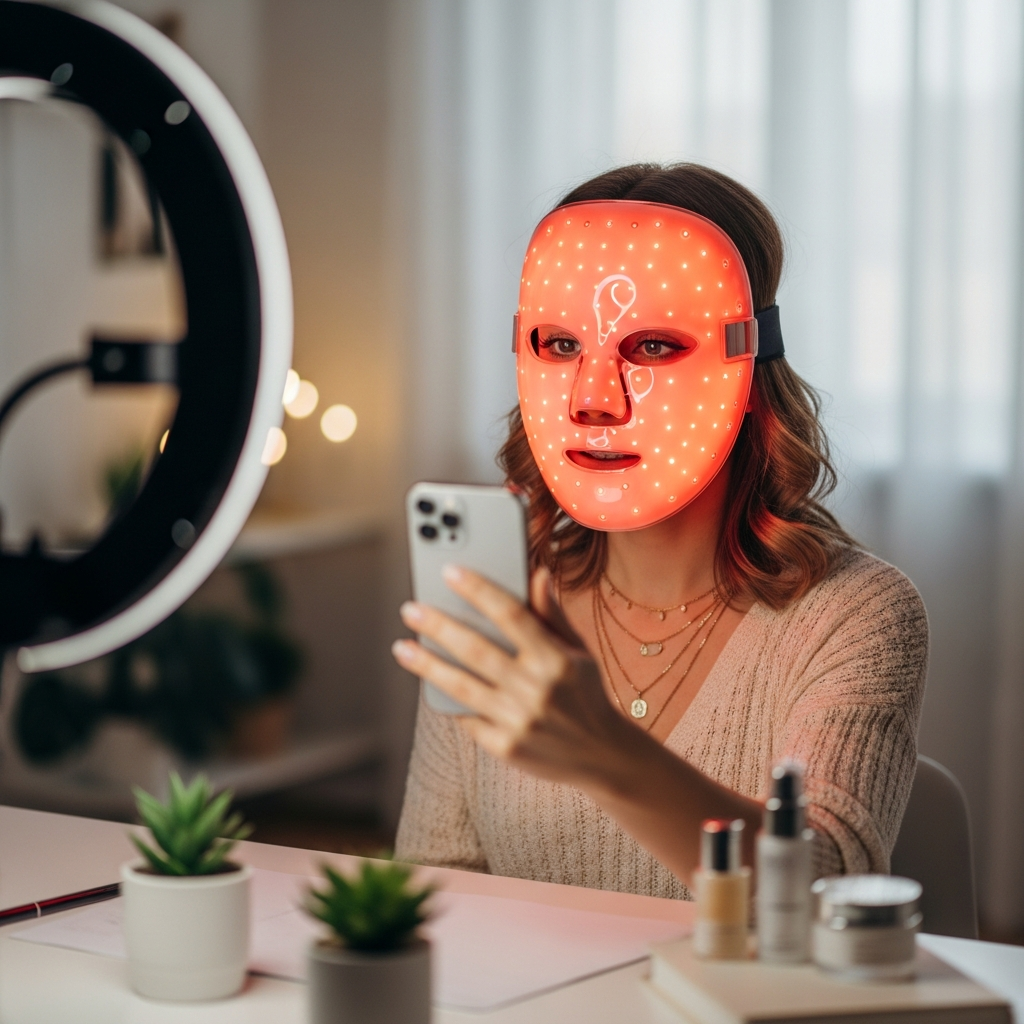
You know that feeling when you’re three weeks into a new skincare routine and you’re staring at yourself in the bathroom mirror, squinting like you’re trying to solve a puzzle? *Is my skin actually looking better, or am I just really, really hoping it is?*
That’s exactly where most people find themselves after investing in a red light therapy device. You’ve done the research, read the studies, maybe even convinced your skeptical partner that this isn’t just another wellness trend (though let’s be honest – you had your own doubts too). You’re standing there with this space-age looking panel or handheld device, wondering if those LED lights are actually doing anything besides making you look like you’re prepping for a sci-fi movie audition.
Here’s the thing about red light therapy… it’s not like taking an aspirin where you feel relief in 20 minutes. It’s more like planting a garden – you water it, tend to it, trust the process, but sometimes you can’t tell if anything’s actually growing until one day you notice the first tiny green shoots pushing through the soil.
And honestly? That uncertainty can be maddening. Especially when you’re dealing with stubborn issues like chronic joint pain that’s been your unwelcome companion for months, or skin concerns that make you avoid certain lighting (don’t even get me started on fluorescent bulbs), or that bone-deep fatigue that coffee just can’t touch anymore. When you’re hurting or frustrated with your body, you want results yesterday.
The problem is, your body doesn’t work on your timeline. It works on cellular time – which, unfortunately, doesn’t sync up with our instant-gratification world. Red light therapy is essentially giving your cells a gentle nudge, encouraging them to produce more energy, repair themselves more efficiently, and reduce inflammation from the inside out. But that process? It’s happening at a microscopic level, often weeks before you can see or feel the changes.
So you end up in this weird limbo… wondering if you’re wasting your time (and money) or if you just need to be more patient. Maybe you’ve already Googled “how long does red light therapy take to work” about seventeen times. Maybe you’ve questioned whether you’re doing it right, or long enough, or close enough to your skin.
The truth is, red light therapy *is* working – probably sooner than you think. Your mitochondria (those little cellular powerhouses you learned about in biology class) are getting energized. Your collagen production is ramping up. Your circulation is improving. Inflammation markers are dropping. But these changes are like whispers before they become shouts.
That’s why knowing what to look for is so crucial. Because when you understand the subtle signs that indicate your investment is paying off, you can stop second-guessing yourself and trust the process. Some of these signs might surprise you – they’re not always the obvious ones you’d expect.
We’re going to walk through seven key indicators that red light therapy is doing its job in your body. Some you’ll notice in the mirror, others you’ll feel in your energy levels or sleep quality. A few might show up in ways you hadn’t even connected to your light therapy sessions… like that nagging shoulder pain that’s been gradually melting away, or how you’re not reaching for your usual afternoon caffeine hit.
You’ll learn which changes typically happen first (hint: it’s probably not what you think), which ones take a bit longer to show up, and – perhaps most importantly – how to tell the difference between normal healing fluctuations and actual progress. Because yes, sometimes things get a little worse before they get better, and that can actually be a good sign.
By the end of this, you’ll have a clear roadmap for tracking your progress… and hopefully, you’ll realize that those sessions under the red lights haven’t been in vain. Your body’s been listening all along.
What’s Actually Happening Under Your Skin
Okay, let’s be honest – red light therapy sounds a bit… sci-fi, doesn’t it? Like something out of a wellness magazine that promises to solve all your problems with one weird trick. But here’s the thing: the science behind it is actually pretty straightforward once you get past all the technical jargon.
Think of your cells like tiny factories. Each one has these little powerhouses called mitochondria – you probably remember them from high school biology as “the powerhouse of the cell.” Well, turns out your biology teacher wasn’t just making you memorize random facts. These mitochondria are constantly churning out energy in the form of ATP (basically cellular fuel), and when they’re working efficiently, everything in your body just… works better.
Red light therapy – or photobiomodulation if you want to get fancy about it – essentially gives these cellular factories a gentle energy boost. It’s like plugging your phone into a charger, except instead of electricity, we’re using specific wavelengths of light.
The Sweet Spot of Light Wavelengths
Not all light is created equal, and this is where things get a bit technical (but stick with me). The magic happens in what researchers call the “therapeutic window” – roughly between 660 and 850 nanometers. That’s in the red to near-infrared range, which is why you’ll see those glowing red panels that look like something from a tanning salon.
But here’s what’s actually fascinating: your skin is surprisingly transparent to these specific wavelengths. While shorter wavelengths (like blue light from your phone) barely penetrate past the surface, red and near-infrared light can dive several inches deep into your tissues. It’s like the difference between trying to see through frosted glass versus regular glass.
The 660nm wavelength tends to work its magic closer to the surface – think skin issues, wound healing, that sort of thing. Meanwhile, the 850nm wavelength (which is invisible to our eyes, by the way) penetrates deeper and can potentially reach muscles, joints, and other tissues. Pretty clever how nature designed this, right?
Your Cellular Response Team
Once that red light hits your mitochondria, it’s like flipping a switch on your body’s repair mechanisms. The technical term is “photobiomodulation,” but I prefer to think of it as giving your cells a really good pep talk.
The light gets absorbed by something called cytochrome c oxidase – basically an enzyme that’s crucial for cellular energy production. When this happens, your mitochondria start producing more ATP, which is like giving every cell in the affected area a shot of espresso. More energy means better function, faster repair, reduced inflammation… you get the idea.
But here’s where it gets interesting (and honestly, a bit counterintuitive): more isn’t always better. There’s something called the biphasic dose response, which is a fancy way of saying that a little bit of red light can be incredibly beneficial, but too much might actually have the opposite effect. It’s like watering a plant – the right amount helps it thrive, but too much and you’ll drown it.
The Inflammation Connection
Now, inflammation gets a bad rap these days, but it’s not always the villain. Acute inflammation – the kind you get when you sprain your ankle or get a cut – is actually your body’s way of protecting and healing damaged tissue. It’s like calling in the cleanup crew after an accident.
The problem comes with chronic inflammation, which is more like having that cleanup crew stick around permanently, causing more damage than they’re fixing. This is where red light therapy seems to shine (pun intended). Research suggests it can help modulate inflammatory responses, essentially helping your body find that sweet spot between helpful healing inflammation and destructive chronic inflammation.
Time and Consistency Matter More Than You Think
Here’s something that surprised me when I first started researching this: red light therapy isn’t really about immediate dramatic changes. It’s more like going to the gym – you don’t expect to see results after one workout, right? Your cells need time to respond, repair, and rebuild.
Most studies showing significant benefits used treatment protocols spanning several weeks to months. We’re talking about fundamental cellular changes here, not just surface-level effects. Think of it as a slow burn rather than a quick fix… which, let’s face it, is probably more realistic anyway for most health improvements.
Track Your Progress Like a Detective
Here’s the thing about red light therapy – the changes can be so gradual that you might miss them entirely if you’re not paying attention. I always tell my patients to become their own health detective because… well, your body doesn’t exactly send you a text message saying “Hey, inflammation is decreasing!”
Start a simple photo log on your phone. I know, I know – more photos to clutter up your camera roll. But trust me on this one. Take pictures of any skin issues, wounds, or areas you’re targeting every few days. The lighting should be consistent (near the same window works great), and don’t worry about being Instagram-ready. These are for science, not social media.
Keep a basic daily journal too. Nothing fancy – just rate your energy, mood, and any specific symptoms on a scale of 1-10. After two weeks, you’ll start seeing patterns that would’ve been invisible otherwise. Actually, that reminds me of a patient who swore the therapy wasn’t working… until we looked at her journal and realized her chronic shoulder pain had dropped from an 8 to a 4.
Don’t Fall Into the “More is Better” Trap
Look, I get it. When something starts working, your first instinct is to double down. But red light therapy isn’t like drinking water – more isn’t always better, and too much can actually backfire.
Stick to your device manufacturer’s guidelines religiously for the first month. Most quality devices recommend 10-20 minutes per session, 3-5 times per week. Your cells need time between sessions to actually use that light energy – think of it like giving your muscles rest days between workouts.
If you’re using a handheld device, resist the urge to hold it closer than recommended. I’ve seen people practically press those things against their skin, thinking they’ll get better results. You won’t. You’ll just risk overheating your tissue and potentially causing irritation.
Pay Attention to Your Sleep Patterns
Here’s something most people don’t realize – one of the earliest signs that red light therapy is working often shows up in your sleep quality. Your circadian rhythm is incredibly sensitive to light exposure, and red light therapy can actually help regulate it.
Start noticing: Are you falling asleep easier? Staying asleep longer? Waking up feeling more refreshed instead of like you’ve been hit by a truck? These changes often happen before you notice anything else, sometimes within the first week or two.
I recommend using a simple sleep tracking app or even just jotting down your bedtime, wake time, and how you feel each morning. The pattern might surprise you.
Know When to Pump the Brakes
Not everything that happens during red light therapy is necessarily a good sign. Sometimes your body needs a moment to adjust, and sometimes… well, you might be overdoing it.
If you notice increased redness that doesn’t fade within an hour after treatment, back off immediately. Same goes for any unusual skin sensitivity or irritation. Your skin should never feel burned or overly warm after a session.
Some people experience what I call “healing fatigue” in the first week – feeling more tired than usual as their body redirects energy toward repair processes. This is usually normal and temporary, but if it persists beyond 7-10 days, consider reducing your session frequency.
Timing Your Sessions for Maximum Impact
The when matters almost as much as the how. Your body has natural rhythms, and working with them instead of against them can make a real difference in your results.
For wound healing or skin issues, morning sessions often work best – you’re giving your body all day to use that cellular energy boost. For sleep improvement, try evening sessions (but not right before bed… that can actually be too stimulating). For muscle recovery, post-workout timing is ideal when your muscles are primed for repair.
Document the Subtle Wins
Don’t just look for dramatic transformations – they’re rare and often unrealistic. Instead, celebrate the small victories that actually matter in daily life.
Maybe you’re not reaching for that afternoon coffee as desperately. Perhaps that nagging joint stiffness when you get out of bed is less noticeable. Or you realize you haven’t thought about that chronic pain in a couple of days because… it’s just not there as much.
These subtle improvements are often the real signs that red light therapy is working its magic at the cellular level. Your mitochondria don’t make grand announcements – they just quietly get better at their job, and eventually, you feel the difference.
When Progress Feels Like Standing Still
You know that feeling when you’re staring at yourself in the mirror, wondering if you’re imagining things? Maybe your skin looks… slightly different? Or maybe it doesn’t, and you’re starting to think this whole red light thing is just expensive mood lighting.
Here’s the thing – and I see this constantly in our clinic – red light therapy operates on what I call “plant time.” You wouldn’t expect to see a sunflower bloom overnight, right? Your cells are working at a similar pace, rebuilding and repairing in ways that aren’t always Instagram-ready dramatic.
The first month can feel like watching paint dry. Actually, scratch that – at least with paint, you know exactly when it’s done. With red light therapy, you’re dealing with cellular changes that happen gradually, then all at once.
The Distance Problem (And Why Your Bathroom Mirror Lies)
Standing three inches from your mirror every morning? That’s like trying to notice your hair growing by checking every hour. You’re too close to the changes happening right in front of you.
Here’s what actually works: take photos. I know, I know – nobody wants more photos of their problem areas. But here’s the catch – use the same lighting, same angle, same time of day. Your bathroom mirror under those harsh overhead lights isn’t doing you any favors anyway.
Better yet, ask someone you trust. Your partner might notice that stubborn shoulder tension has eased up before you realize you haven’t been reaching for the heating pad every night.
The Consistency Trap
Let me be brutally honest here – consistency is hard. Life happens. You travel for work, the kids get sick, you forget to charge the device… and suddenly you’ve missed a week.
The perfectionist in you wants to throw in the towel because you “ruined” your streak. But here’s what I tell patients: your cells don’t keep a calendar. They respond to what you give them, when you give it. Missing a few days doesn’t reset some invisible counter.
Start smaller than you think you need to. If the protocol says 20 minutes, start with 10. If it suggests daily use, try every other day. You can always build up, but burning out helps nobody.
The “Am I Doing This Wrong?” Spiral
Distance from the light, timing, which body parts, pre-treatment prep – there are enough variables to make your head spin. And naturally, when you don’t see immediate results, you start second-guessing everything.
Most people hold their devices too far away (think closer than you’d expect – often 6-12 inches depending on the device). Others get antsy and keep moving it around like they’re painting with light. Pick your spots, hold steady, and trust the process.
The sweet spot for most devices? Close enough that you feel gentle warmth, but not so close that it’s uncomfortable. Your skin shouldn’t feel hot – think “sunny day,” not “desert noon.”
When Side Effects Feel Like Setbacks
Sometimes things get a little worse before they get better. Your skin might feel drier initially, or you might feel temporarily more tired as your body ramps up cellular repair. It’s like your cells calling in a construction crew – there’s going to be some dust and noise before the renovation is complete.
This is where people often panic and stop treatment right when their bodies are starting to respond. If you’re experiencing mild, temporary effects, that’s often… actually good news. It means something’s happening.
That said – and this is important – severe reactions aren’t normal. Significant pain, burning, or dramatic changes warrant a conversation with someone who knows what they’re talking about.
The Expectation Mismatch
Social media has ruined us for realistic expectations. Those dramatic before-and-after photos? They’re real, but they’re also often months apart, with professional lighting, and sometimes… other interventions happening simultaneously.
Red light therapy isn’t a magic wand. It’s more like a really good multivitamin for your cells – supporting processes that were happening anyway, just more efficiently.
Set mini-milestones instead of waiting for the dramatic transformation. Better sleep after two weeks? Win. Less stiffness when you wake up? Another win. These small improvements compound into bigger changes, but only if you notice and celebrate them along the way.
The truth is, most people who stick with red light therapy for 8-12 weeks see meaningful improvements. But that requires getting past the hurdles that trip up 90% of people in the first month.
What to Expect – And When to Actually Expect It
Here’s the thing nobody wants to tell you about red light therapy: it’s not going to transform your life overnight. I know, I know – that’s probably not what you wanted to hear after investing in those fancy LED panels or booking sessions at the clinic.
But here’s what I’ve learned after helping hundreds of patients navigate this… patience is actually your superpower here.
Most people start noticing subtle changes around the 2-4 week mark. And by subtle, I mean *really* subtle. Maybe you wake up one morning and realize your shoulder doesn’t have that usual morning stiffness. Or you catch a glimpse of yourself in the bathroom mirror and think, “Huh, my skin looks… different somehow?”
Don’t dismiss these tiny victories. They’re often the first whispers that something’s shifting beneath the surface.
The Reality Check Timeline
Let me be brutally honest about what realistic expectations look like
Weeks 1-2: You might feel absolutely nothing. Zero. Nada. This doesn’t mean it’s not working – your cells are busy doing their thing at a level you can’t perceive yet. Think of it like planting seeds. You don’t see anything happening above ground, but there’s a whole lot of action in the soil.
Weeks 3-6: This is when most people start noticing those first real signs we talked about earlier. Better sleep, less morning stiffness, maybe some mood improvements. Your skin might start looking more… alive?
Weeks 6-12: The more dramatic changes typically show up here. Significant pain reduction, noticeable skin improvements, energy levels that actually feel sustainable rather than borrowed from tomorrow’s reserves.
Beyond 3 months: This is when red light therapy often hits its stride. The benefits tend to compound – like interest in a savings account, but for your health.
When Things Don’t Go According to Plan
Sometimes – and this happens more than you’d think – people don’t see results in the “normal” timeframe. Before you throw in the towel, let’s troubleshoot a few things.
Are you being consistent? I mean *really* consistent? Missing sessions here and there is like trying to build a house but skipping foundation days. Your cells need that regular stimulus to create lasting change.
Distance matters too. If you’re sitting too far from your device, or if it’s not powerful enough, you might as well be trying to get a tan from a flashlight. Most devices work best at 6-12 inches from your skin, but check your specific manufacturer’s recommendations.
And here’s something that catches people off guard – sometimes you need to adjust your expectations based on what you’re treating. A minor muscle strain? You might see improvement in days. Chronic arthritis that’s been bothering you for years? That’s going to take months, not weeks.
Your Next Steps (The Practical Stuff)
First things first – keep a simple log. Nothing fancy, just jot down how you’re feeling each day. Rate your energy, pain levels, sleep quality on a scale of 1-10. Trust me, three weeks from now you won’t remember how you felt today, and those notes become golden when you’re trying to spot patterns.
If you’re just starting out, begin with shorter sessions. Even 10-15 minutes is better than jumping in with 30-minute sessions and burning out after a week. You’re building a habit as much as you’re treating your body.
Consider combining red light therapy with other healthy habits you’re already doing (or want to start). It pairs beautifully with gentle stretching, meditation, or even just reading a good book. Make it part of your routine rather than another item on your health to-do list.
When to Reevaluate
Give it at least 6-8 weeks of consistent use before deciding it’s not working for you. I know that feels like forever when you’re dealing with pain or exhaustion, but cellular regeneration just doesn’t happen on our preferred timeline.
If you’re not seeing *any* improvement after two months of consistent use, it might be worth chatting with a healthcare provider. Sometimes there are underlying issues that need addressing first, or you might benefit from adjusting your approach.
Remember – this isn’t about perfection. It’s about progress, even when that progress feels frustratingly slow. Your body has been through a lot, and healing… well, it takes the time it takes.
You know what’s beautiful about all these signs we’ve talked about? They’re not just abstract improvements on a medical chart – they’re real changes you can feel in your daily life. When you wake up with less stiffness, when that nagging pain doesn’t greet you first thing in the morning, when you catch yourself in the mirror and think “hey, my skin actually looks… better” – those moments matter.
The thing is, recognizing these improvements takes a bit of patience with yourself. We’re so used to quick fixes (thanks, modern world) that sometimes we miss the gentle, gradual healing that’s actually happening. Red light therapy isn’t like popping an ibuprofen and feeling relief in 20 minutes. It’s more like… well, like tending a garden. You water it, give it sunlight, and trust the process.
Some days you might wonder if it’s working at all. Other days, you’ll notice your sleep tracker showing deeper rest phases, or your partner commenting that you seem less cranky after workouts. Actually, that reminds me – sometimes the people closest to us notice changes before we do. They might say something like “you’ve seemed more energetic lately” or “your mood’s been really good this week.” Don’t brush those observations off.
Trust Your Body’s Timeline
Here’s what I’ve learned from working with hundreds of people on their wellness paths: your body has its own timeline, and it’s usually smarter than our impatient minds. Some folks see dramatic improvements in their skin within weeks. Others notice the pain relief first, then everything else follows. There’s no wrong way for your body to respond.
If you’ve been consistent with your red light sessions and you’re starting to see even one or two of these signs… that’s your green light to keep going. Your cells are responding, your mitochondria are getting that energy boost they’ve been craving, and your body is remembering how to heal itself more efficiently.
But here’s the thing – you don’t have to figure this out alone. Maybe you’re wondering if the improvements you’re seeing are related to the red light therapy, or if your current routine is optimized for your specific needs. Maybe you’re dealing with multiple health concerns and want to know how red light fits into a broader wellness strategy.
You Don’t Have to Go It Alone
That’s exactly why we’re here. Our team has seen it all – the dramatic transformations, the subtle shifts that add up to major improvements, and yes, the times when we need to adjust approach or timing to get better results.
If you’re curious about whether red light therapy could be a game-changer for your specific situation, or if you want to explore how it might complement your weight loss goals, we’d love to chat. No pressure, no pushy sales pitch – just real conversation about what’s working, what isn’t, and what might be possible.
Give us a call or stop by. Sometimes the best next step is simply talking through your experiences with someone who understands how these therapies actually work in real life. Because your wellness matters, and you deserve support that feels genuinely helpful.