Red Light Mask Results: What to Expect Over Time
You’re standing in your bathroom at 6 AM, squinting at yourself in the unforgiving overhead light, when it hits you – that red light mask you bought three months ago is still sitting in its box on your nightstand. You know, the one that promised to be your skin’s salvation? The one you researched for weeks, reading every review twice, convincing yourself it would finally be the thing that worked?
Sound familiar?
Maybe you’ve been using it religiously for two weeks and you’re wondering why you don’t look like the glowing testimonials on Instagram yet. Or perhaps you tried it for a few days, didn’t see instant magic, and now it’s collecting dust next to that jade roller you swore you’d use every morning. (We’ve all been there, haven’t we?)
Here’s the thing about red light therapy – and I wish someone had told me this when I first started researching it for our clinic – it’s not like putting on a face mask and seeing immediate plumpness. It’s more like… well, think of it like going to the gym. You don’t expect abs after one workout, right? But somehow, when it comes to skincare, we want everything yesterday.
The truth is, red light therapy works on a cellular level, and cells don’t operate on our impatient timelines. They work on their own schedule, slowly but surely making changes you can’t see at first. It’s like watching grass grow – frustrating when you’re staring at it every day, but undeniable when you compare photos from months apart.
I’ve been working in medical weight loss and wellness for over eight years now, and I’ve watched hundreds of clients navigate this exact journey with red light masks. The ones who stick with it? They’re the ones sending me photos six months later asking, “Is this really the same person?” The ones who give up after two weeks? Well… they’re usually asking about the next trendy treatment.
But here’s what nobody tells you about red light mask results – and this is where it gets really interesting. The changes happen in waves, not in a straight line. You might notice better sleep quality in week two (yes, really – the light affects your circadian rhythm). Maybe your skin feels smoother in week four, but you can’t quite put your finger on why. Then suddenly, around week eight, your coworker asks if you’ve been on vacation because you look so… refreshed.
That’s the magic and the frustration of red light therapy. It’s working the whole time, but it’s doing its thing behind the scenes – boosting collagen production, improving circulation, reducing inflammation – while you’re impatiently checking the mirror every morning.
And let’s be honest about something else – not everyone sees results at the same pace. Your friend might be glowing after a month while you’re still wondering if anything’s happening. That doesn’t mean it’s not working for you; it just means your skin has its own timeline. Maybe you started with more sun damage, or you’re dealing with hormonal fluctuations, or you’re not quite consistent with your routine yet. (And consistency? That’s the real secret sauce.)
What I want to share with you isn’t just another “this product is amazing” article. Instead, I want to give you the realistic timeline – the one I wish I’d had when I first started experimenting with red light therapy. I want you to know what to look for in week one (spoiler: it’s not dramatic visible changes), what might surprise you in month two, and why month three is when most people become true believers.
Because here’s what I’ve learned after watching so many people navigate this: when you know what to expect and when to expect it, you’re infinitely more likely to stick with it long enough to see the results that made you buy that mask in the first place.
Ready to finally understand what that red light mask sitting on your nightstand can actually do – and when it’ll actually do it? Let’s talk about the real timeline of red light therapy results, without the Instagram filters or the marketing hype.
What’s Actually Happening When You Put That Thing on Your Face
Okay, so you’ve got this mask that looks like something from a sci-fi movie, and you’re wondering if it’s actually doing anything or if you’re just… sitting there with a light strapped to your head. Fair question.
Red light therapy – or photobiomodulation if we’re being fancy – works kind of like how plants use sunlight, except instead of making chlorophyll, your skin cells are getting a little energy boost. Think of it as plugging your phone into a charger, but for your face. The red light (usually around 660 nanometers) and near-infrared light (around 850 nanometers) penetrate your skin and get absorbed by something called mitochondria.
Now, mitochondria are basically the power plants of your cells – you might remember that from high school biology. When they soak up this specific wavelength of light, they start producing more ATP, which is cellular energy currency. More energy means your cells can do their jobs better: making collagen, repairing damage, reducing inflammation… all the good stuff.
The Science That Actually Makes Sense
Here’s where it gets interesting – and honestly, a little weird. Your skin doesn’t just passively sit there soaking up light. It’s actively responding, kind of like how your muscles respond to exercise. The light triggers a cascade of cellular processes that can continue working for hours after you’ve taken the mask off.
Studies have shown that red light therapy can increase collagen production by up to 31% – which is actually pretty impressive when you consider that we lose about 1% of our collagen each year after age 20. It’s like you’re not just slowing down the aging process, you’re actually giving it a gentle nudge in the other direction.
The anti-inflammatory effects are probably the most immediate thing you’ll notice. Red light seems to calm down overactive immune responses in your skin, which is why people with acne, rosacea, or general irritation often see improvements relatively quickly.
Why Results Don’t Happen Overnight (Unfortunately)
This is probably the most frustrating part for anyone trying red light therapy – the waiting. We live in a world of instant gratification, and here’s this treatment that’s asking you to be patient for weeks or even months.
Think of it like working out. You don’t go to the gym once and wake up with abs, right? Your skin cells need time to ramp up collagen production, clear out damaged tissue, and build new, healthier structures. The research suggests that while some people notice subtle changes in the first week or two, the real magic happens around the 6-8 week mark.
Actually, that reminds me of something that confused me when I first started researching this – why does it take so long if the cellular changes happen immediately? Turns out, there’s a difference between what’s happening at the cellular level (which is pretty quick) and what you can actually see in the mirror (which takes forever, or at least feels like it).
The Wavelength Game
Not all red lights are created equal, and this is where things get a bit technical – sorry. Most effective red light masks use a combination of 660nm (red) and 850nm (near-infrared) light. The 660nm penetrates about 1-2mm into your skin and is great for surface-level issues like fine lines and acne. The 850nm goes deeper – up to 4-5mm – reaching into muscle tissue and deeper skin layers.
It’s like having two different tools for different jobs. You wouldn’t use a screwdriver to hammer a nail, and you wouldn’t use surface-level red light to treat deeper muscle tension or circulation issues.
What Your Skin Is Actually Thinking
If your skin could talk during a red light session, it would probably say something like “Oh hey, what’s this energy boost? Time to get to work!” The increased ATP production essentially gives your skin cells the resources they need to function optimally.
But here’s the thing that’s kind of counterintuitive – more isn’t always better. There’s something called the biphasic dose response, which basically means there’s a sweet spot for light exposure. Too little, and you won’t see results. Too much, and you might actually inhibit the beneficial effects. Most quality masks are designed with this in mind, but it’s worth knowing that blasting your face with light for an hour won’t necessarily give you better results than the recommended 10-20 minutes.
Setting Realistic Expectations for Your Skin’s Timeline
Here’s the thing nobody tells you upfront – red light therapy isn’t like Instagram filters. You won’t wake up after one session looking like you’ve had a professional photoshoot. But stick with it? That’s where the magic happens.
Most people see subtle changes around week 3 or 4. I’m talking about that “hmm, something looks different” moment when you catch yourself in the mirror. Your skin might feel a bit firmer, maybe there’s less puffiness in the morning. Don’t dismiss these small wins – they’re your skin literally rebuilding itself from the inside out.
The real transformation usually kicks in around week 8 to 12. That’s when clients start getting those “you look rested” comments from friends who can’t quite put their finger on what’s changed.
The Photography Trick That Changes Everything
Want to actually see your progress? Take photos in the same spot, same lighting, same time of day – every two weeks. I know, I know… nobody wants to document their skin concerns up close. But trust me on this one.
Use your bathroom mirror with the overhead light on (harsh but consistent). No makeup, hair pulled back, same facial expression. Store these in a private album and review them monthly. You’ll be shocked at changes you couldn’t see day-to-day because you look at yourself constantly.
Actually, that reminds me – avoid the temptation to take daily progress photos. It’s like watching grass grow and will only frustrate you.
Maximizing Your Sessions Without Going Overboard
Here’s where people mess up: they think more is better. Using your red light mask twice daily won’t speed up results – it might actually irritate your skin. Stick to the recommended 10-15 minutes, 3-4 times per week.
But here’s a insider tip… the *when* matters more than you’d think. I tell my clients to use their masks in the evening, about an hour before their regular skincare routine. Your skin is naturally more receptive to healing at night, and you’ll avoid any potential sensitivity to daylight afterward.
Clean skin is crucial – and I mean really clean. Double cleanse if you wear makeup or sunscreen. Any barrier between your skin and the light reduces effectiveness. Think of it like trying to get a tan through a window.
The Plateau Phase (And Why It’s Actually Good News)
Around month 3 or 4, you might feel like progress has stalled. This is completely normal – and actually a sign that your skin has adapted to a new baseline. You’re not losing ground; you’re maintaining at a higher level.
This is when I see people give up, thinking the treatment stopped working. Don’t be that person. This plateau often precedes another wave of improvement, especially in deeper skin concerns like fine lines and sun damage.
Combining Treatments for Compound Results
Red light therapy plays incredibly well with others. While you can’t layer it with active treatments like retinoids or acids on the same day, you can alternate them throughout the week.
My favorite combination? Red light on Monday, Wednesday, Friday. Gentle retinoid on Tuesday and Saturday. Hydrating treatments on Thursday and Sunday. This gives your skin consistent stimulation without overwhelming it.
And here’s something most people don’t consider – red light can actually help your skin tolerate stronger treatments over time. Clients often find they can gradually increase their retinoid strength or frequency after a few months of consistent red light use.
When to Adjust Your Approach
If you’re not seeing any changes by week 6, don’t panic – but do evaluate. Are you being consistent? Is your mask functioning properly? Some devices lose effectiveness over time as the LEDs degrade.
Watch for these good signs: improved skin texture, reduced morning puffiness, faster healing of minor blemishes, or that subtle “glow” people start commenting on. These often appear before visible changes to lines or pigmentation.
On the flip side, if you experience persistent redness, increased breakouts, or unusual sensitivity lasting more than a week, take a break. Some people need to build up tolerance gradually – start with shorter sessions or less frequent use.
The key is listening to your skin while maintaining consistency. Think of it like exercise – you wouldn’t expect overnight results, but you also wouldn’t skip weeks and wonder why nothing’s happening. Your skin needs that steady, reliable stimulation to keep rebuilding and improving.
When Your Face Looks Like a Tomato (And Other Fun Surprises)
Let’s be real – nobody warned you that your first few sessions might leave you looking like you just ran a marathon in July. That initial redness? Totally normal, but also totally alarming when you’re staring at yourself in the bathroom mirror wondering if you’ve made a terrible mistake.
Here’s the thing about red light therapy – it’s literally increasing blood flow to your face. Think of it like a really gentle workout for your skin cells. Just like your muscles might feel a bit worked after starting a new exercise routine, your skin needs time to adjust. The redness usually fades within 30-60 minutes, but if you’re planning to use your mask before a video call… maybe don’t.
The solution? Start slow. I know the instructions say 10-20 minutes, but begin with just 5 minutes every other day. Your skin will thank you for the gentle introduction, and you’ll avoid that “did I just stick my face in a beehive?” moment.
The Dreaded Purging Phase (Yes, It’s Actually a Thing)
About two weeks in, right when you’re starting to feel optimistic, your skin might decide to throw a tantrum. Suddenly there are breakouts where there weren’t any before, or existing blemishes seem angrier than usual. Before you toss your mask in the closet and write angry reviews, take a breath.
This purging phase happens because red light therapy is accelerating your skin’s natural renewal process. All that gunk that was hanging out deep in your pores? It’s making its way to the surface faster than usual. It’s like when you finally clean out that junk drawer – things get messier before they get organized.
The good news is this phase typically lasts 2-4 weeks. The bad news? It feels eternal when you’re living through it. Resist the urge to pick (I see you reaching for that mirror), keep your routine gentle, and remember that this is often a sign the therapy is working.
The “Am I Imagining Things?” Doubt Spiral
Around week 3 or 4, you’ll probably find yourself squinting at your reflection, trying to decide if that’s actually an improvement or if you’re just really good at self-deception. You might even ask your partner, “Do I look different?” only to get that deer-in-headlights look that means they have no idea what you’re talking about.
This doubt is so common it should probably be listed as a side effect. The changes from red light therapy are gradual – we’re talking about genuine cellular repair here, not Instagram filters. It’s like watching grass grow, except the grass is your face.
Here’s what helps: Take progress photos in the same lighting, same angle, same time of day. I know it feels awkward (who wants photos of their skin problems?), but having that visual reference point is invaluable. Your brain plays tricks on you, but photos don’t lie.
Consistency Fatigue and the Motivation Crash
Let’s talk about the elephant in the room – sticking with it when life gets busy. That 15-minute routine felt manageable at first, but now it feels like just another thing on your endless to-do list. You start skipping days, then weeks, then suddenly your expensive mask is gathering dust.
This isn’t a character flaw – it’s human nature. We’re wired to lose interest in things that don’t provide immediate gratification. But here’s the reality check you need: sporadic use gives you sporadic results. Period.
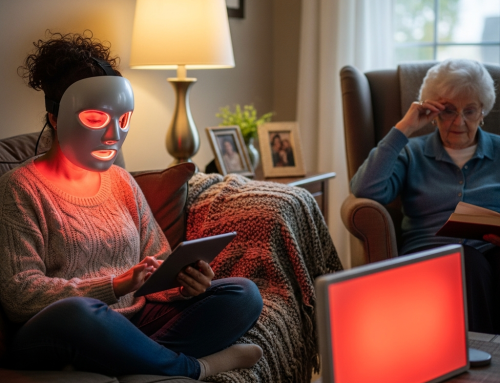
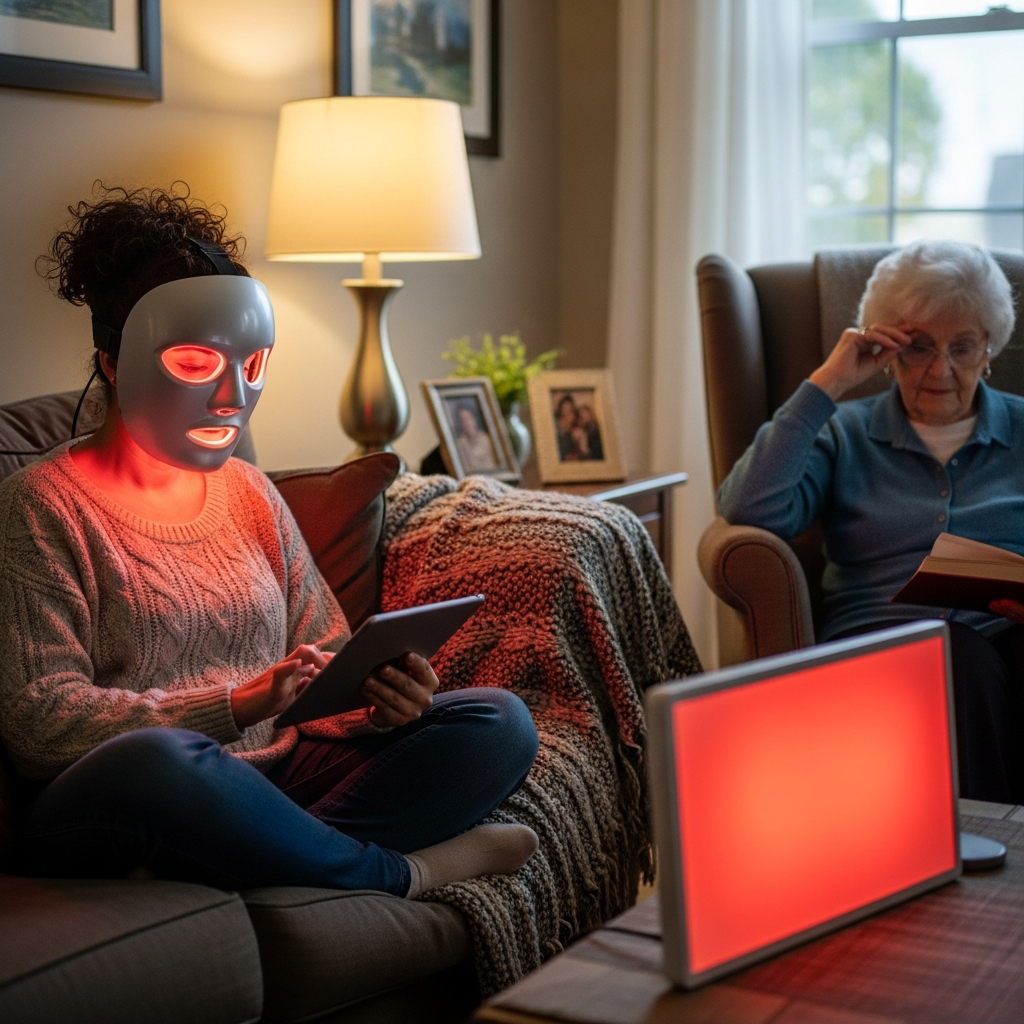
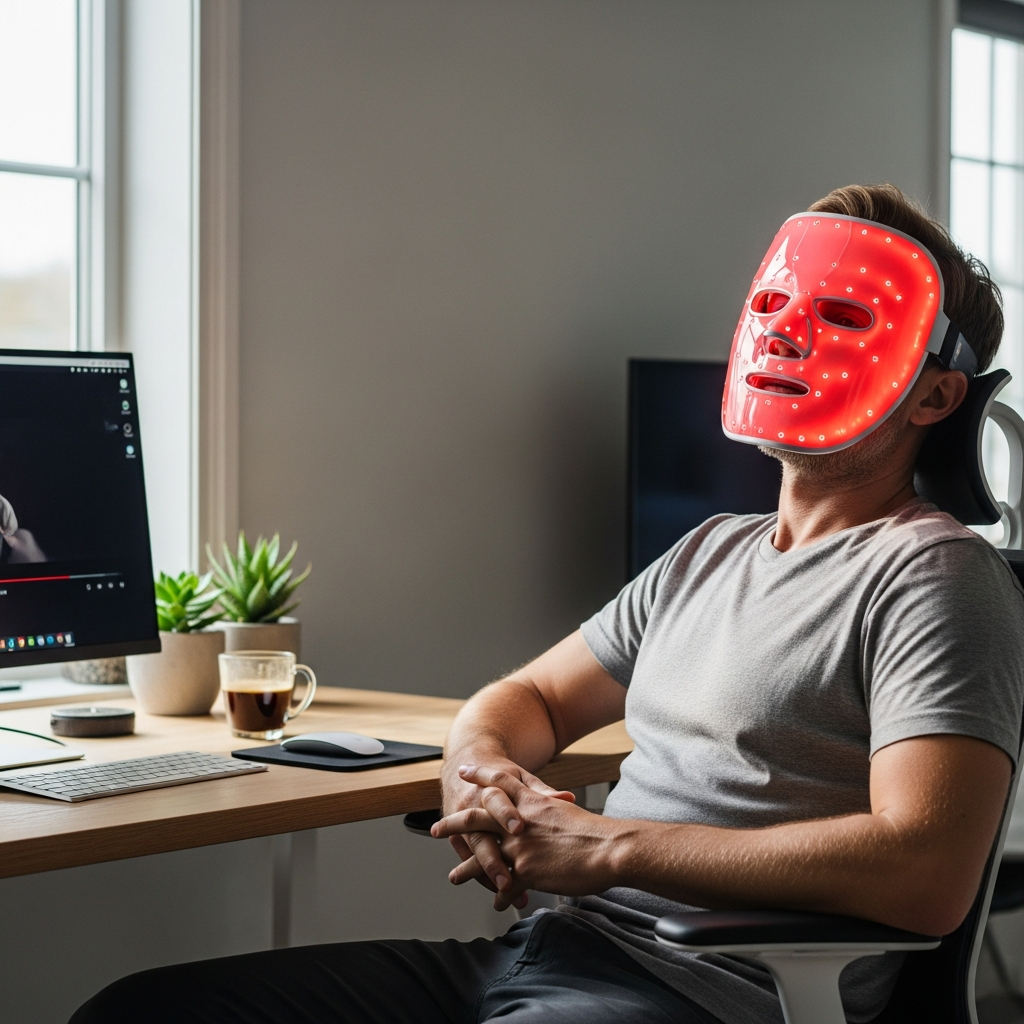
The trick is making it ridiculously easy. Keep your mask where you’ll see it. Maybe that’s on your nightstand, or plugged in next to your coffee maker. Some people literally wear it while checking emails or watching Netflix. Find your hook – the existing habit you can attach this new one to.
Managing Expectations Without Crushing Dreams
Perhaps the biggest challenge is navigating the gap between hope and reality. You’ve seen those amazing before-and-after photos (and yes, some of them are real), but your results might be more subtle. Maybe your acne isn’t completely gone, but it’s less angry. Maybe your fine lines are softer, not erased.
This doesn’t mean the therapy isn’t working – it means it’s working like actual medicine, not magic. Real skin improvement takes months, not weeks. And sometimes the biggest changes are ones you feel rather than see… like how your makeup sits better, or how your skin feels more resilient.
The key is celebrating small wins while keeping your eye on the bigger picture. Because honestly? Gradual, lasting improvement beats dramatic temporary fixes every single time.
Managing Your Expectations (Because Let’s Be Real)
Here’s the thing about red light therapy – and I’m going to give it to you straight because you deserve honesty, not marketing fluff. You’re not going to wake up tomorrow looking like you’ve had a complete facial overhaul. If someone’s telling you that, run.
Most people start noticing subtle changes around the 4-6 week mark. And I mean subtle – we’re talking about slightly smoother texture, maybe a bit more glow when you catch yourself in the bathroom mirror. Your partner might say “you look rested” without being able to put their finger on why. That’s actually a really good sign.
The more dramatic changes? Those take patience. Real collagen remodeling – the kind that actually makes a difference in fine lines and skin firmness – happens over months, not weeks. Think of it like strength training for your face… you wouldn’t expect to see major muscle changes after a few gym sessions, right?
What’s Normal in Your First Month
Don’t panic if your skin looks a bit different initially. Some people experience what I call the “adjustment period” – maybe a little redness right after sessions (that should fade within an hour), or even some minor breakouts as your skin starts turning over cells more quickly.
Actually, that reminds me of something important: if you’re already using retinoids or acids in your skincare routine, your skin might be a bit more sensitive at first. Nothing dangerous, just… well, think of it like introducing two fitness trainers to your routine at once. Sometimes you need to ease into it.
Most people settle into a rhythm pretty quickly though. You’ll figure out whether morning or evening works better for you, how your skin feels during and after sessions, and what that optimal timing looks like with the rest of your routine.
The 3-6 Month Reality Check
This is where things get interesting – and where a lot of people either become true believers or decide it’s not for them. By month three, you should have a pretty clear sense of whether the therapy is working for your specific concerns.
For anti-aging benefits, this is typically when people start seeing more noticeable improvements in skin texture and firmness. Fine lines might look softer, and that overall skin quality – you know, that hard-to-define “healthy glow” – tends to become more obvious.
If you’re dealing with acne or inflammation issues, the timeline can be trickier. Some people see improvements within weeks, while others need to stick with it longer. Your skin’s healing response is as individual as your fingerprint.
Setting Yourself Up for Success
Let me share something I’ve learned from watching hundreds of people go through this process: consistency beats intensity every single time. It’s better to use your mask for 10 minutes every other day than to do marathon 30-minute sessions once a week.
Keep a simple photo log if you can manage it – same lighting, same angle, maybe once a week. Trust me on this one. Day-to-day changes are nearly impossible to see when you’re looking at yourself in the mirror every morning, but week-to-week progress becomes much clearer in photos.
And please, for the love of all that’s good, don’t start three new skincare products at the same time you begin red light therapy. I know it’s tempting when you’re motivated to improve your skin, but you’ll never know what’s actually working.
When to Reassess and Adjust
Give yourself a solid three months before making any major decisions. That’s not arbitrary – it’s roughly how long it takes for your skin to complete multiple renewal cycles and for deeper cellular changes to become visible.
If you’re not seeing the results you hoped for by then, don’t automatically assume the therapy isn’t working. Sometimes it’s about adjusting frequency, timing, or even addressing other factors like sleep, stress, or nutrition that affect your skin.
Some people benefit from taking progress photos to a dermatologist or aesthetician for an objective assessment. We get so used to our own faces that we sometimes miss gradual improvements – or conversely, we expect more dramatic changes than are realistic.
The bottom line? Red light therapy is more marathon than sprint. It works with your body’s natural processes, which means it works on your body’s timeline, not your wishful thinking timeline. But when you stick with it… well, that’s usually when the magic happens.
Your Glow-Up Timeline Is Uniquely Yours
Here’s what I want you to remember – and I mean really *remember* – as you’re standing in front of your bathroom mirror three weeks from now, squinting at your reflection and wondering if that red light mask is actually doing anything…
Everyone’s skin tells a different story. Your friend might see dramatic changes in two weeks (lucky her), while you’re playing the long game with subtle improvements that sneak up on you. That’s not failure – that’s just how your particular skin likes to do things. And honestly? The slow, steady transformations often end up being the most lasting ones.
The beauty of red light therapy isn’t that it promises overnight miracles. It’s that it works *with* your body’s natural healing processes, not against them. Your cells are literally learning to function better, your collagen production is getting a gentle nudge back to life, and that chronic inflammation that’s been camping out in your skin? It’s finally getting the memo to pack up and leave.
But let’s be real for a second… this whole process can feel frustrating sometimes. You’re investing time, energy, maybe some money too – and patience isn’t exactly our strong suit these days, right? We’re used to everything being instant. Amazon Prime has spoiled us all.
That’s where having support makes all the difference. When you’re part of our community here at the clinic, you’re not flying solo through this process. We’ve seen thousands of people work through their skin concerns, and we know exactly what those “is this even working?” moments feel like. More importantly, we know how to help you push through them.
Your skin journey doesn’t have to be a guessing game. Maybe you’re wondering if you should combine red light therapy with other treatments. Or perhaps you’re curious about which specific wavelengths would work best for your particular concerns. Sometimes it’s just nice to have someone look at your progress photos and say, “Actually, I can see real improvement here – and here’s what we should focus on next.”
The thing is, sustainable skin health isn’t just about the right device or the perfect routine. It’s about understanding your unique skin, your lifestyle, your goals… and having a plan that actually fits your real life. Not some Instagram influencer’s life – *your* life.
We’re not here to sell you anything you don’t need or push treatments that aren’t right for you. We’re here because we genuinely care about helping people feel confident and comfortable in their own skin. Whether that means optimizing your current red light routine, exploring complementary treatments, or simply having someone to check in with along the way.
If you’re feeling curious about what personalized support might look like for your specific situation, we’d love to chat. No pressure, no sales pitch – just a genuine conversation about your skin goals and how we might be able to help you get there a little more smoothly.
Because here’s the truth: you don’t have to figure this out alone. And honestly? You shouldn’t have to.
Ready to explore what’s possible for your skin? Give us a call or send a message. We’re here, and we’re genuinely excited to help you succeed.