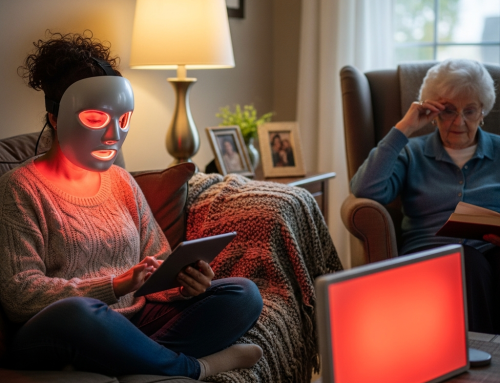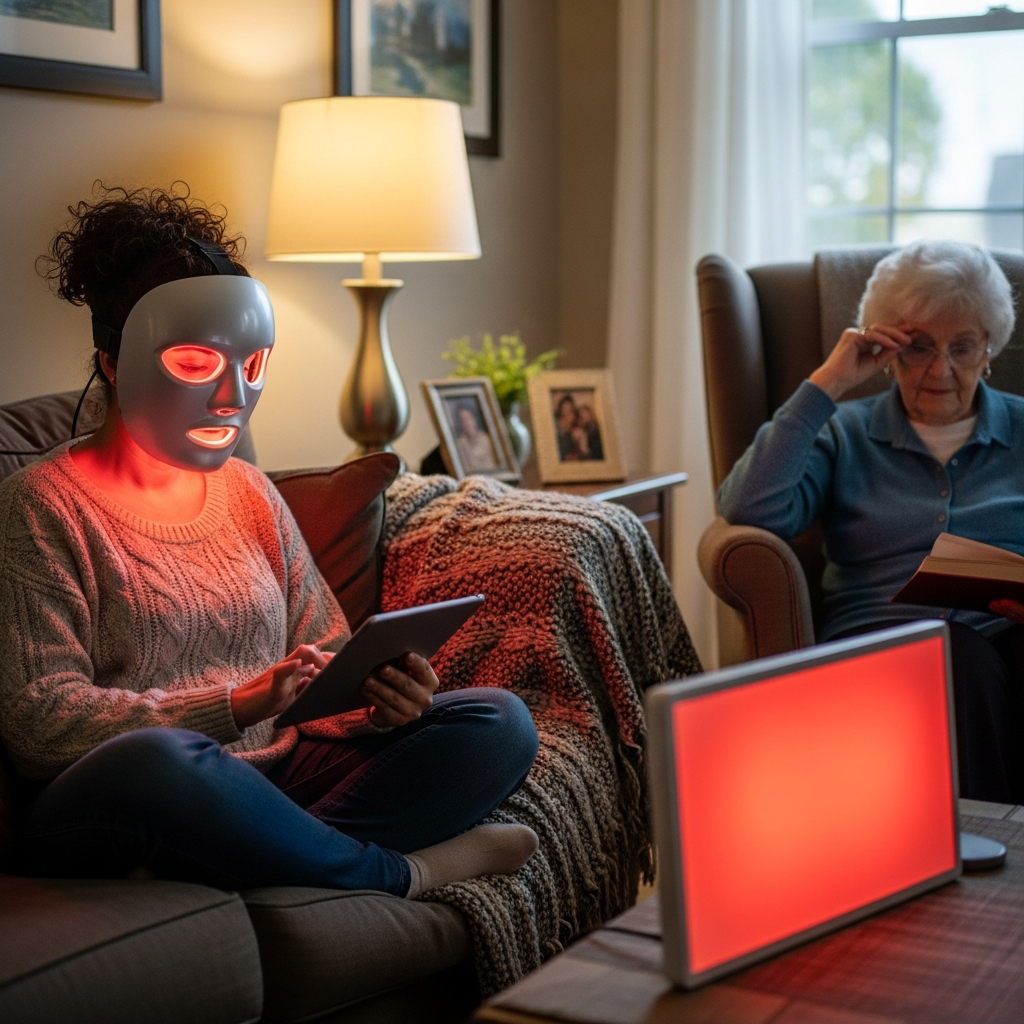
8 Common Mistakes to Avoid With Red Light Therapy
You bought the device. You did the research – or at least, you watched enough YouTube videos and read enough Reddit threads to feel reasonably confident. You set it up, you stood in front of it for a few minutes, and you thought, *okay, this is happening.*
And then… not much happened.
Maybe you gave it a few weeks. Maybe you pushed through a few months, checking your skin in the mirror with the kind of hopeful scrutiny usually reserved for lottery tickets. But the results everyone else seemed to be raving about – the glowing skin, the reduced inflammation, the better sleep, the faster muscle recovery – felt maddeningly out of reach. Like you were missing something. Like everyone else got a manual you didn’t.
Here’s the thing: you probably were missing something. And honestly? That’s not your fault.
Red light therapy is one of those treatments that looks deceptively simple on the surface. Point light at body. Stand there. Done. But there’s a surprising amount of nuance underneath that simplicity – and the gap between “using red light therapy” and “using red light therapy *correctly*” is wider than most people realize. The mistakes people make aren’t dramatic or obvious. They’re subtle. Easy. The kind of thing you’d never think to question until someone points it out.
Why This Actually Matters
Red light therapy – technically called photobiomodulation, if you want the official term – works by delivering specific wavelengths of light that your cells can actually absorb and use as energy. Think of it like photosynthesis, but for your mitochondria instead of plant leaves. When it works, it really works. The research behind it is genuinely solid, with hundreds of peer-reviewed studies supporting its effects on everything from skin collagen to inflammation to thyroid function.
But here’s what those studies also show: the *parameters* matter enormously. Distance from the device, session duration, wavelength, frequency of use, timing – these aren’t minor details. They’re the difference between a treatment that transforms your health and a very expensive lamp gathering dust in the corner of your bedroom.
We see this all the time. People come in having already tried red light therapy at home, convinced it just “doesn’t work for them.” And nine times out of ten, we find out pretty quickly that they’ve been making one – or several – of the same common mistakes that quietly undermine the whole process. It’s a little like baking bread but skipping the yeast and then concluding you just can’t bake. The potential was always there. The process just needed adjusting.
What You’re Going to Learn Here
This isn’t going to be a scare piece about red light therapy being dangerous or complicated. It isn’t. When used correctly, it’s remarkably safe, non-invasive, and genuinely accessible. But we do want to walk you through the eight mistakes we see most often – the ones that explain why so many people feel like they’re spinning their wheels.
Some of these might make you go *oh, that’s obvious* – and maybe they are, in hindsight. But obvious things have a funny way of getting overlooked when nobody’s told you to look for them. Others might genuinely surprise you. There’s one in particular about timing that trips up even pretty experienced users.
We’ll talk about distance and dosing, about skin prep, about consistency, about the assumptions people make when they’re buying a device. We’ll also talk about expectations – because sometimes the “mistake” isn’t technical at all. It’s just a mismatch between what red light therapy actually does and what someone hoped it would do, and that gap is worth closing too.
Whether you’re brand new to photobiomodulation or you’ve been at it for a while and feel like something’s just slightly off, there’s almost certainly something useful here for you. The goal is simple – help you actually get the results that drew you to this therapy in the first place.
Because those results? They’re real. You just might need to make a few small course corrections to reach them.
Let’s get into it.
What Red Light Therapy Actually Does (Without the Science Lecture)
Okay, so before we get into what goes wrong, it helps to understand what’s supposed to go right. Don’t worry – this isn’t going to turn into a biology textbook. But a little context makes the mistakes make a lot more sense when we get to them.
Red light therapy – sometimes called photobiomodulation, which is a mouthful nobody actually uses in conversation – works by delivering specific wavelengths of light into your skin and the tissue underneath. We’re talking about wavelengths in the red (roughly 630-700nm) and near-infrared (700-1100nm) range. Your cells absorb this light through structures called mitochondria, which you might remember from school as “the powerhouse of the cell.”
Think of it like this: your mitochondria are a little run-down, working on a dim battery. Red light therapy is essentially a solar charger for them. They absorb the light, produce more energy (ATP, technically), and that energy ripples outward – supporting cellular repair, reducing inflammation, improving circulation. It’s genuinely cool stuff.
Why It’s Not Like a Sunlamp or a Tanning Bed
Here’s where people get confused, and honestly, the confusion is understandable. Light is light, right? Not exactly.
Red and near-infrared wavelengths are doing something fundamentally different from UV light. UV light – the stuff that tans or burns you – works by damaging DNA, which triggers melanin production as a protective response. Red light therapy doesn’t damage anything. It’s not ionizing radiation. It’s more like… a really specific nutritional supplement for your cells. You’re feeding them something they can use, not forcing a stress response.
This distinction matters a lot, actually, because people sometimes assume more exposure equals better results. With a suntan, you can see progress. With red light therapy, the changes are happening at a cellular level, and that changes everything about how you should approach it.
The Depth Question – Because It Gets Counterintuitive Here
Different wavelengths penetrate to different depths, and this is where things get a little interesting. Red wavelengths (that visible red light you can see glowing) tend to work more in the surface layers – great for skin concerns, wound healing, collagen production. Near-infrared wavelengths, which you actually can’t see with the naked eye, penetrate deeper – reaching muscle tissue, joints, even bone.
So depending on what you’re trying to accomplish, the wavelength matters. A lot of quality devices deliver both simultaneously, which is convenient. But if someone’s using a basic red light panel hoping to address deep joint inflammation… they might be missing the mark entirely. It’s like using a butter knife when you need a screwdriver. Technically both are tools. Not the same tool.
What “Dose” Really Means Here
Dosing in red light therapy isn’t just about time – though time matters. It’s a combination of wavelength, power density (measured in mW/cm²), distance from the device, and duration. Together, these determine how much energy actually reaches your tissue, measured in joules per square centimeter.
This sounds complicated, and look, it kind of is. Even researchers don’t have a perfectly standardized protocol yet. What we do know is that there’s something called the Arndt-Schulz principle at play – essentially, too little stimulation does nothing, the right amount promotes a positive response, and too much can actually inhibit results or cause temporary setbacks.
There’s a sweet spot. Finding it is the whole game.
The Timeline Reality Check
Red light therapy is not a quick fix. There, it needed to be said upfront. Most people start seeing meaningful changes after consistent use over four to twelve weeks, sometimes longer. Cellular repair is quiet, cumulative work.
It’s a bit like watering a plant every day – you don’t see anything dramatic happening on a Tuesday, but six weeks later the difference is undeniable. The people who bail after two weeks, convinced it “doesn’t work,” are usually the ones who never gave it an honest shot.
Understanding these fundamentals – what the light actually does, why dosing is nuanced, and what realistic timelines look like – sets the foundation for everything we’re about to cover. Because most of the mistakes people make? They trace right back to misunderstanding one of these core ideas.
You’re Probably Sitting Too Far Away (Or Too Close)
Distance matters more than most people realize. The sweet spot for most red light therapy devices is 6 to 12 inches from the treatment area – close enough that you’re actually getting a therapeutic dose of light, not just a warm glow from across the room. Think of it like sunbathing versus standing in a parking garage with a skylight. Same sun, completely different effect.
Most home panels have their peak irradiance tested at around 6 inches. Back up to 24 inches and you might be getting a quarter of that output. So if you’ve been casually draping your panel across the room while you scroll your phone… that’s why nothing’s happening.
Consistency Beats Intensity Every Single Time
Here’s something the marketing rarely tells you: three sessions a week done consistently for three months will absolutely crush six sessions a week for two weeks, then nothing. Your cells aren’t absorbing this light like a battery charges – it’s more like physical training. You’re stimulating a biological response that compounds over time.
Pick two or three days a week. Put them in your calendar like an actual appointment. Morning sessions work well for most people because the mitochondrial stimulation can feel slightly energizing – kind of like a gentler version of caffeine. Actually, that reminds me… if you’re doing sessions late at night and having trouble sleeping, that might be your culprit. Red light is generally fine in the evening, but near-infrared can be stimulating for some people. Worth experimenting with timing.
Your Skin Needs to Be Clean and Bare
Lotions, sunscreen, makeup – they’re all sitting there creating a barrier between the light and your skin. Sunscreen especially, since that’s literally designed to reflect and absorb light. Even a light moisturizer can scatter the wavelengths enough to reduce effectiveness.
Shower before your session if you can, or at least wipe down the treatment area. And clothing over the target zone? It’s mostly blocking what you’re trying to accomplish. Red and near-infrared wavelengths penetrate skin well, but they don’t punch through a t-shirt with any meaningful dose left over.
Stop Skipping the Eye Protection
This one’s non-negotiable. A lot of people ditch the goggles because they feel awkward, or they figure the light “isn’t that strong.” But these devices are genuinely powerful, and your retinas don’t have the same repair mechanisms your skin does. Damage can accumulate before you notice anything wrong.
The goggles that come with most panels are fine. Cheap ones from Amazon work too, as long as they’re rated for the wavelengths you’re using. If you’re doing facial treatments specifically, there are smaller eye shields that feel less claustrophobic – worth looking up if the full goggles bug you.
Treat the Right Things Realistically
Red light therapy is genuinely useful for inflammation, skin health, wound healing, and muscle recovery. It’s not a miracle cure for obesity, hormonal disorders, or advanced joint deterioration. One of the biggest mistakes people make is abandoning it because it didn’t fix something it was never going to fix on its own.
Use it as part of a broader plan. At a medical weight loss clinic, for instance, we see it work beautifully alongside nutrition changes and other interventions – supporting recovery, reducing inflammation that stalls progress, improving energy. On its own? It’s a tool, not a total solution.
Track It or It Won’t Stick
Weird tip, but it works: take a weekly photo of whatever you’re treating, even if changes feel too subtle to see day-to-day. Skin texture, a stubborn inflammatory area, body composition – the camera catches things your brain dismisses because it’s seeing the same face every morning.
Progress with red light therapy is notoriously gradual. We’re talking weeks to months, not days. Without some kind of tracking, you’ll convince yourself nothing is happening and quit right before things start shifting. A simple notes app, a photo folder, even a sticky note on your fridge marking your session days – anything that creates a record you can look back at.
The people who get real results from this aren’t doing anything magical. They’re just being consistent, positioned correctly, and patient enough to let the biology actually work.
When Life Gets in the Way of Consistency
Here’s the thing nobody tells you about red light therapy: the device isn’t the hard part. Staying consistent with it is. And honestly? That trips up almost everyone at some point.
The most common complaint we hear is something like, “I was doing so well, and then I got busy, and then a week went by, and now it feels weird to start again.” Sound familiar? Missing sessions creates this strange psychological barrier – like you’ve broken a streak and now the whole thing feels tainted. But here’s what’s actually true: red light therapy isn’t all-or-nothing. Three sessions a week is genuinely better than zero sessions a week. Give yourself permission to be imperfect with it.
The practical fix is almost embarrassingly simple. Keep the device somewhere you’ll actually see it. Not in a closet, not under the bed “to keep it safe” – out in the open, in your line of sight. People who put their panels near their bathroom mirror or next to their morning coffee spot tend to stick with it far longer than people who treat it like equipment to be stored.
The Patience Problem (And It’s Real)
Red light therapy works at a cellular level, which sounds impressive but also means it’s genuinely slow. We’re talking weeks, sometimes months, before you notice meaningful changes. And we live in a world where we expect things to work in 48 hours with free shipping.
The frustration usually hits around week two or three. You’ve been consistent, you’ve done everything right, and… nothing feels different. This is when most people either quit or – and this one’s sneaky – start dramatically increasing their session time, thinking more must be better. It’s not. Overdoing it can actually cause the cells to become less responsive. It’s called biphasic dose response, and it basically means there’s a sweet spot, and blasting past it doesn’t help.
What actually helps during this waiting period is tracking something measurable. Take photos every two weeks. Note your sleep quality, your energy levels, your skin texture. The changes often show up in places you’re not directly watching for them.
Positioning Yourself Correctly (Harder Than It Sounds)
Getting the distance and angle right is something people genuinely struggle with, and there’s rarely a good reason given for *why* it matters. So here it is: the light intensity drops off significantly as you move away from the panel. A few extra inches can meaningfully reduce the dose you’re actually receiving.
Most devices want you somewhere between six and twelve inches away – but that’s an awkward distance to maintain for ten to twenty minutes when you’re just… standing there. People drift. They check their phone, shift their weight, gradually back away.
A marked spot on the floor – seriously, a piece of tape – sounds ridiculously low-tech but it works. Some people set up a stool at the right distance. Whatever keeps you stationary and correctly positioned without requiring constant mental effort.
Eye Protection: The One People Argue About
Almost everyone pushes back on wearing goggles. They’re uncomfortable, they feel unnecessary, and the device came with this great marketing about how “natural” the light is. Here’s the honest version: your eyes are genuinely more photosensitive than your skin, and near-infrared wavelengths in particular penetrate deeper than visible light. You don’t feel it happening, which is exactly what makes it easy to skip the protection.
Good goggles specific to red light wavelengths don’t have to be miserable. The cheap foam ones that came in the box? Understandably awful. A proper pair costs around twenty dollars and actually stays on your face.
When Results Plateau
This one catches people off guard. Things are going well, results are happening, and then… they just stop. A plateau doesn’t mean the therapy stopped working – it often means your routine needs a small adjustment. Rotating the targeted areas slightly, adjusting session timing, or even taking a short break and restarting can help reset your response.
Actually, this is worth saying plainly: sometimes the solution is doing *less*, not more. If you’ve been doing daily sessions for months, pulling back to four or five times a week occasionally gives your body room to respond again.
The honest truth about most of these challenges is they’re fixable. They’re just not glamorous fixes. Tape on the floor. A pair of goggles. A realistic expectations reset. Not exactly what the marketing brochures promise – but it’s what actually works.
What to Actually Expect (And When to Worry You’re Doing It Wrong)
Here’s the honest truth that a lot of red light therapy content glosses over: this isn’t a “use it once and feel amazing” kind of treatment. It’s slow. Methodical. The kind of thing that rewards patience and punishes impatience.
Most people who quit too early do so right before things start working.
The First Few Weeks Feel Like Nothing
And that’s completely normal. During the first two to four weeks of consistent use, a lot of the changes happening are cellular – mitochondrial activity ramping up, inflammation starting to quiet down, circulation gradually improving. You won’t see any of that in the mirror. You probably won’t feel it either, at least not dramatically.
Some people notice small things early on – sleeping a little deeper, less achiness in the morning, skin that feels somehow more… awake? But if you’re expecting visible fat loss or dramatic skin tightening in week two, you’re going to be disappointed. That expectation isn’t fair to the therapy or to yourself.
Think of it like starting a new exercise routine. The first few weeks, you’re just teaching your body what’s happening. The results come later.
The 8-12 Week Mark Is Where It Gets Interesting
This is typically when people start noticing something real. Skin texture improving. Inflammation that’s been stubborn finally starting to ease. If you’re using red light as part of a broader weight management plan – which, honestly, is where it really shines – you might start seeing it complement your other efforts more noticeably around this window.
Consistency between now and then is everything. Missing sessions here and there isn’t catastrophic, but erratic use – a week on, two weeks off, back on again – makes it really hard to know whether something’s working. It also just… doesn’t work as well.
Signs You’re on the Right Track
So how do you know you’re not wasting your time? A few things to watch for
– Gradual improvements in how your skin looks and feels – not overnight, but a slow upward trend over weeks – Less soreness or stiffness in areas you’re treating (if that was a concern) – Better sleep quality, which shows up for a lot of people using red light regularly – If you’re tracking body measurements alongside other interventions, those numbers slowly moving in the right direction
None of these will knock your socks off in week three. That’s not how this works. But by week ten or twelve, you should be able to look back and notice a difference from where you started.
When Something Feels Off
There are a few signs that something isn’t working the way it should – and they’re worth paying attention to rather than pushing through.
If you’re experiencing skin irritation, redness that lingers, or headaches after sessions, those are signals to step back and reassess. You might be overdoing the session length, sitting too close to the device, or using it too frequently. More is genuinely not better here – this is one of those situations where the dosing matters enormously.
Actually, that reminds me of one of the most common mistakes people make that kind of ties everything together: treating red light therapy like it exists in a vacuum. It doesn’t. It works best alongside things like good nutrition, adequate sleep, and – if weight management is your goal – working with a team that actually knows your body and your health history.
Your Next Steps
If you’re just starting out, keep it simple. Pick two to three sessions per week, follow the device guidelines for distance and duration, and give it at least eight weeks before drawing any conclusions. Take photos. Keep notes. Give yourself something to compare against, because memory is unreliable and progress is subtle.
If you’ve been using red light therapy for a while but not seeing much, it might be worth reviewing everything – your device quality, your protocol, what else is or isn’t happening in your health routine. Sometimes the therapy isn’t the problem. Sometimes it just needs better support around it.
And if you’re considering red light therapy as part of a more comprehensive weight loss plan, talking to a medical team who can look at the full picture is genuinely worth it. Because the therapy itself is just one piece – and it works a whole lot better when the other pieces are in place too.
So there you have it – eight ways that well-meaning people accidentally get in their own way with red light therapy. And honestly? Most of these mistakes come from the same place: enthusiasm. You found something that genuinely excites you, you want it to work, and sometimes that eagerness trips us up a little. That’s not a character flaw. That’s just being human.
The good news is that every single one of these pitfalls is completely fixable. We’re not talking about complicated science or expensive equipment upgrades. Usually it’s something as simple as moving a little closer to the device, giving your skin a quick cleanse first, or – and this one’s harder than it sounds – just being patient enough to let the process actually work.
Consistency really is the magic ingredient here. It’s kind of like watering a plant. You don’t see anything happening day to day, and then one morning you notice it’s thriving. Red light therapy works quietly beneath the surface, supporting cellular repair and metabolic function in ways that don’t always show up on a scale or in a mirror right away. That can be frustrating when you’re hoping for faster results. We get it.
Actually, that’s one of the things worth remembering as you move forward – progress with your health rarely looks like a straight line. There are plateaus, there are weeks where nothing seems to be shifting, and there are moments where you wonder if any of it is worth the effort. Those moments are normal. They don’t mean you’re failing.
What makes the difference, more often than not, is having someone in your corner who can look at the full picture with you – your lifestyle, your goals, how you’re sleeping, what you’re eating, how your body is responding – and help you make smart adjustments instead of just guessing. Red light therapy can be a genuinely powerful tool, but it works best as part of a thoughtful, personalized plan rather than something you’re figuring out alone at 10pm while scrolling through conflicting advice online. (We’ve all been there.)
If you’ve been navigating your wellness on your own and feeling a little stuck, we’d love to help. Our team works with real people dealing with real challenges – not textbook cases – and we take the time to actually listen. Whether you’re curious about incorporating red light therapy into a broader weight loss plan, or you just have questions you haven’t found good answers to yet, reaching out is easy and there’s zero pressure involved.
You deserve support that meets you where you are, not a one-size-fits-all program that ignores what makes your situation unique. That’s what we try to offer every single day.
So keep at it. Adjust where you need to. Give yourself some grace on the days it feels harder than it should. And if you ever want a second opinion, a fresh set of eyes, or just someone to talk things through with – we’re here. That’s genuinely what we’re here for.