7 Reasons Red Light Therapy Is Backed by Research
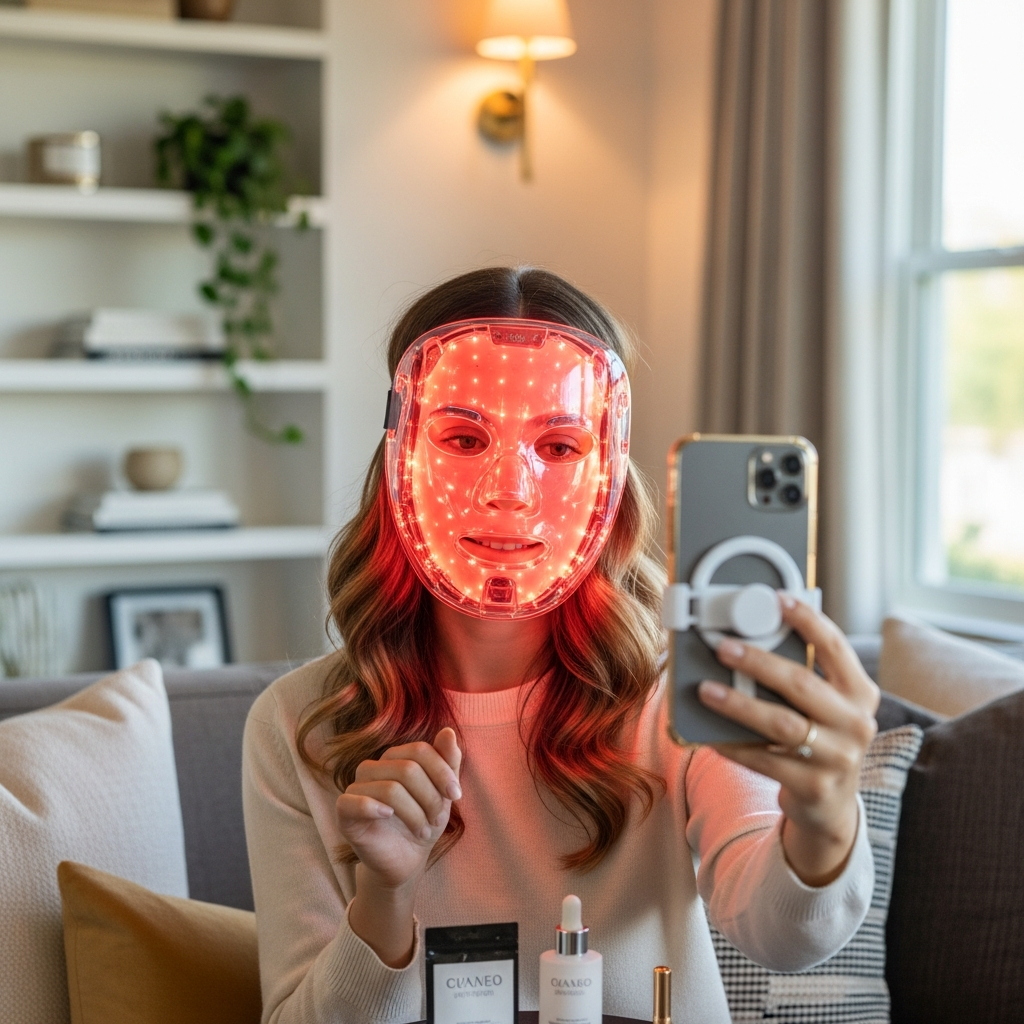
Picture this: you’re scrolling through social media at 11pm, and you keep seeing ads for this glowing red panel that promises to fix your skin, melt away fat, ease your joint pain, and basically turn back the clock on aging. Your first instinct is probably… yeah, right. Another wellness trend. Another thing influencers are getting paid to hold up in front of a camera.
Honestly? That skepticism is healthy. The wellness world is absolutely packed with products that make enormous promises and deliver approximately nothing – and most of us have the lighter wallets to prove it.
But here’s where red light therapy gets interesting.
Because unlike, say, those detox teas or the crystal healing phase of 2019, red light therapy has something that most wellness trends never manage to accumulate: a genuinely impressive pile of peer-reviewed research behind it. We’re talking thousands of published studies. Real clinical trials. Universities, hospitals, and NASA – yes, *that* NASA – have all put serious time and resources into understanding what this technology actually does inside your body.
That’s not a marketing claim. That’s just… what happened.
So Why Does It Still Feel Gimmicky?
Partly because the way it gets sold online is, frankly, a mess. When a product promises to do fifteen different things simultaneously, our brains quite reasonably file it under “too good to be true.” We’ve been burned before. We know how this usually goes.
And partly because most of us were never taught how light actually interacts with our biology – which means the whole concept sounds more like science fiction than science. Red light heals your cells? Sure it does. Right after my crystals realign my chakras.
But the mechanism here is real and it’s been studied extensively. Red and near-infrared wavelengths of light – specifically in that 630 to 850 nanometer range, if you want to get nerdy about it – actually penetrate your skin and interact with the mitochondria in your cells. You remember mitochondria, right? The powerhouse of the cell, as every middle school biology class ever has drilled into us. When these specific wavelengths hit the right receptors in your mitochondria, they essentially help your cells produce energy more efficiently. More cellular energy means better repair, better function, better everything.
It’s a little bit like giving your cells a strong cup of coffee. Except, you know, with actual measurable biological effects.
Why This Matters for You Specifically
If you’re reading this on a medical weight loss clinic’s website, you’re probably not here because life is going perfectly. You’re here because you’re working on something – your health, your weight, your energy levels, your relationship with your body. And you’ve probably already figured out that sustainable health isn’t about finding one magic solution. It’s about building a toolkit of things that actually work.
That’s exactly where red light therapy fits in for a lot of people. Not as a miracle cure – nothing is – but as a legitimate, research-backed tool that can support the work you’re already doing. There’s interesting research on its role in fat loss, inflammation reduction, metabolic function, and recovery. Which, if you’re in the middle of a weight loss program, aren’t exactly small things.
And look, you deserve to make informed decisions about what you invest your time, money, and hope in. There’s something almost exhausting about not knowing what to trust anymore – every headline contradicts the last one, every product has five-star reviews and an equal number of people saying it did nothing. Having access to the actual research, explained in plain English, matters.
What You’re About to Learn
We’ve put together seven specific, research-supported reasons that red light therapy is worth taking seriously. Not seven vague benefits with a footnote pointing to one obscure study – actual findings, actual mechanisms, actual reasons why clinics and researchers keep coming back to this technology.
Some of them might surprise you. A few might be directly relevant to challenges you’re facing right now. And at least one of them – I’d bet on it – is going to make you think “wait, they studied *that*?”
By the time you’ve read through all seven, you’ll have a much clearer picture of whether this is something worth exploring for your specific situation. And you’ll be able to cut right through the noise next time you see one of those glowing panels pop up in your feed.
Let’s get into it.
What Actually Happens When Light Meets Your Cells
Okay, so before we get into the specific reasons the research is compelling, it helps to understand what’s actually going on under the skin. And I’ll warn you upfront – this part sounds a little like science fiction. Bear with me.
Your cells contain tiny structures called mitochondria. You probably remember them from ninth-grade biology as “the powerhouse of the cell” – which, honestly, is one of those phrases that gets drilled into you and then immediately feels useless. But here it’s actually relevant. Mitochondria produce a molecule called ATP (adenosine triphosphate), which is essentially your body’s energy currency. Every repair process, every cellular function, every bit of tissue regeneration your body does? It runs on ATP.
Here’s where red light comes in. When specific wavelengths of red and near-infrared light – typically between 630 and 850 nanometers – hit your skin, they’re absorbed by a protein inside your mitochondria called cytochrome c oxidase. Think of it like a solar panel that happens to respond to red light rather than sunlight. This absorption appears to give mitochondria a kind of… boost. They become more efficient, produce more ATP, and generate less of the oxidative stress that accumulates when cells are working hard under difficult conditions.
More energy. Less cellular stress. That’s the simplified version, and it’s the foundation everything else builds on.
Why “Just Light” Feels Like It Shouldn’t Work
This is the part people get stuck on, and honestly? It’s a fair reaction. We’re so accustomed to thinking of treatments as things we swallow or inject – something with obvious chemical weight to it. The idea that photons hitting your skin could trigger meaningful biological changes feels almost too simple.
But consider this: your body responds to light all the time. Light regulates your circadian rhythm, triggers vitamin D synthesis, affects your mood through serotonin pathways. We don’t question those mechanisms because we’ve accepted them over time. Red light therapy is operating in that same general territory – using light as a biological signal rather than just illumination. The mechanism is just newer to most of us, so it still feels strange.
What makes red and near-infrared light specifically interesting is their penetration depth. Visible red light reaches a few millimeters into tissue, while near-infrared wavelengths can penetrate several centimeters – deep enough to reach muscle tissue, joints, and even bone. That depth matters enormously when you’re talking about therapeutic effects.
The Difference Between Red Light and Other Light Therapies
Worth clarifying, because there’s genuine confusion here. Red light therapy is not the same as UV therapy (which targets surface skin conditions and carries sunburn risk), not the same as blue light therapy (often used for acne and mood disorders), and definitely not the same as those infrared saunas your gym might have. Each uses different wavelengths for different purposes.
Red light therapy devices – whether clinical panels or at-home units – emit very specific, controlled wavelengths. The dosage matters too. Too little light and you don’t get a meaningful cellular response. Too much and you can actually counteract the benefits. This is called the biphasic dose response, and it’s one reason why “more is better” doesn’t apply here. Getting the parameters right is genuinely important, which is part of why working with a clinic rather than just buying a cheap device and winging it tends to produce better results.
What the Research Actually Looks Like
The science here spans decades. NASA started investigating red light wavelengths in the 1980s for plant growth in space – and noticed, somewhat accidentally, that it seemed to help with wound healing in researchers who worked around the lights. (Science has a long history of productive accidents.) Since then, thousands of peer-reviewed studies have examined red light therapy across areas ranging from pain and inflammation to skin health, cellular recovery, and metabolic function.
Is every study perfect? No – sample sizes are sometimes small, protocols vary between studies, and there’s still plenty researchers are working to understand. That’s worth being honest about. But the volume of consistent, replicated findings across independent research teams is what separates this from your average wellness trend. There’s a real signal here, even if the full picture is still developing.
That’s the foundation. Now let’s get into the specific reasons the evidence is worth paying attention to.
How to Actually Get Results (Not Just Pretty Red Glow)
Here’s the thing most people don’t tell you when you first start looking into red light therapy – the device matters enormously, but how you use it matters even more. You could spend $800 on a quality panel and still get mediocre results if you’re treating it like a passive experience. Think of it less like taking a pill and more like watering a plant. Consistency and technique are everything.
Get Your Distance Right
This one trips people up constantly. Too close and you risk overstimulating the tissue – yes, that’s actually a thing called “biphasic dose response,” and it means more isn’t always better. Too far away and you’re basically just standing near a lamp. For most full-body panels, 6 to 12 inches is your sweet spot. Smaller handheld devices? Closer, sometimes 2 to 6 inches. Check your specific device’s documentation, but if it came with vague instructions, that range is a reasonable starting point.
Time Your Sessions Strategically
Most research protocols run between 10 and 20 minutes per treatment area – not per session total. So if you’re targeting both your face and your lower back, that’s two separate zones, each needing their own time. Don’t try to cover everything at once by just stepping back further. That’s not how photobiomodulation works.
Morning sessions tend to work beautifully for energy and mood – there’s something about that combination of red and near-infrared light that genuinely seems to set a sharper tone for the day. Evening sessions, on the other hand, may actually interfere with melatonin production if you’re using near-infrared wavelengths close to bedtime. Something worth knowing before you set up your panel next to the nightstand.
Skin Contact (Or Close To It) Is Non-Negotiable
Don’t wear clothes over the area you’re treating. This sounds obvious, but… a lot of people assume the light penetrates through fabric. It doesn’t, really – not in any meaningful therapeutic dose. Clean, dry, product-free skin gets the best results. Lotions, serums, sunscreen – all of that creates a barrier and can actually cause heating issues in some cases. Strip it back to bare skin and let the wavelengths do their thing.
Build a Consistent Schedule Before You Judge Results
This is probably where most people give up too soon. Red light therapy isn’t a one-session miracle. The cellular changes it triggers – think mitochondrial function, collagen synthesis, inflammation reduction – those happen gradually. Most clinical studies showing significant results ran 4 to 12 weeks of regular sessions, usually 3 to 5 times per week.
So if you’ve done six sessions and you’re feeling underwhelmed, that’s actually completely normal. Keep a simple log – even just a note on your phone tracking how your skin looks, how you’re sleeping, how your joints feel. You’ll often notice changes in retrospect that you missed day-to-day. It’s like watching your hair grow. You can’t see it happening, and then suddenly it’s different.
Pair It With What Actually Supports Recovery
Red light therapy isn’t magic in isolation. Think of it as an amplifier. If you’re using it to support muscle recovery and you’re chronically dehydrated or sleeping five hours a night, you’re leaving a lot on the table. Hydration matters because light-stimulated cells are still cells – they need the basics. Same goes for protein intake if you’re targeting muscle repair.
Actually, one thing that’s genuinely underrated – combining red light sessions with light movement or stretching immediately after. The increased circulation from the therapy seems to make that a particularly good window for mobility work. Not a hard rule, just something worth experimenting with.
A Word on Wavelengths (Because They’re Not All the Same)
If you’re shopping for a device or evaluating the one you have, look for 630-670nm for surface-level benefits (skin, wound healing) and 800-850nm for deeper tissue work (joints, muscles, inflammation). The best panels offer both. Single-wavelength devices aren’t useless, but they’re more limited in what they can address.
Don’t fall for “more LEDs equals better.” Irradiance – the actual power output delivered to your skin – is what matters. Ask for the mW/cm² specs at the treatment distances listed. Any reputable company should have that data available. If they don’t? That’s telling.
Why Results Don’t Always Come Easy (And What to Do About It)
Look, red light therapy has genuinely impressive research behind it. But that doesn’t mean it’s plug-and-play. There are real stumbling blocks that trip people up – and most of them have nothing to do with the therapy itself. They have to do with how people use it.
Let’s be honest about what actually gets in the way.
You’re Probably Not Being Consistent Enough
This is the big one. Red light therapy is not a one-and-done treatment. It’s not even a two-weeks-and-done treatment. The research that shows meaningful results – the inflammation reduction, the cellular energy improvements, the skin changes – those studies involve regular, repeated sessions over weeks or months.
Most people start enthusiastic, do it faithfully for ten days, get busy, miss a week, then feel like it’s “not working.” Sound familiar? It’s the same pattern that sinks most wellness habits.
The solution isn’t willpower. It’s anchoring. Attach your sessions to something you already do automatically – morning coffee, your post-workout cooldown, whatever’s already locked into your day. The actual session only takes ten to twenty minutes. The hard part is just showing up for it consistently enough to let the biology work.
Device Quality Varies Wildly (And This Really Matters)
Here’s something the glossy Instagram ads don’t tell you: not all red light devices are created equal. Not even close. The cheap handheld gadgets you find for $40 online? They often don’t deliver the wavelengths or power density that the actual studies use. You might be sitting in front of a light that’s… not really doing much.
Clinical research typically uses devices emitting specific wavelengths – usually around 630-680nm for red light and 800-850nm for near-infrared – at sufficient irradiance levels to actually penetrate tissue. If your device can’t verify those specs, you’re essentially guessing.
This doesn’t mean you need to spend thousands of dollars. But it does mean doing your homework before buying. Look for devices that publish their irradiance data and have third-party testing. If a company won’t tell you exactly what wavelengths and power output their device produces… that’s your answer right there.
Distance and Positioning Is Trickier Than It Looks
Most people just kind of stand near their device and assume they’re good. But positioning actually matters quite a bit. Too far away and you lose significant power – light intensity drops off fast with distance, following what’s called the inverse square law. Too close with a very powerful device and you risk skin irritation.
Most quality devices have a sweet spot, usually somewhere between six inches and two feet depending on the unit. Check the manufacturer’s guidelines, but also – actually pay attention to how your skin responds. Some mild warmth is fine. Redness or irritation is a sign you need to back up or shorten your session.
Skin Tone and Melanin Can Affect Penetration
This one doesn’t get talked about enough. Research suggests that higher melanin concentrations – which means darker skin tones – can absorb some red light wavelengths before they penetrate as deeply. This isn’t a reason to avoid therapy, but it might mean sessions need to be slightly longer, or that near-infrared wavelengths (which penetrate deeper regardless) matter more for systemic benefits.
If you have a darker complexion and feel like you’re not getting the results you expected, this could be worth discussing with a provider who actually knows the literature. It’s not a dead end – it’s just a variable worth adjusting for.
Expecting It to Do Everything
Red light therapy is a tool. A genuinely useful, research-supported tool. But people sometimes treat it like a magic reset button for every health complaint they have, and when it doesn’t fix everything? Disappointment.
The research is strongest in specific areas – wound healing, skin rejuvenation, inflammation, muscle recovery, certain pain conditions. It’s less conclusive in others. Going in with realistic expectations actually helps you use it better, because you’re not constantly second-guessing whether it’s “working.”
And honestly? The people who see the best results are usually combining it with other basics – decent sleep, movement, reasonable nutrition. Red light therapy seems to amplify what’s already working. It’s not great at compensating for everything else being a mess. That’s not a criticism. That’s just how most things in health actually work.
What to Actually Expect (And When)
Let’s be honest with each other for a second. Red light therapy isn’t a magic switch you flip and wake up transformed. If anyone’s told you otherwise, they were overselling it. The research is genuinely promising – but the research also shows that results take time, consistency, and realistic expectations.
Think of it like starting a new exercise routine. You don’t go to the gym three times and expect visible muscle definition. Your body needs repeated signals over weeks before it starts making meaningful changes at the cellular level. Red light therapy works the same way.
The First Few Weeks: Don’t Panic If Nothing Happens
Most people notice… nothing in the first week or two. And that’s completely normal. What’s actually happening is happening where you can’t see it – your mitochondria are responding, cellular energy production is ramping up, inflammation pathways are starting to shift. The behind-the-scenes work happens first.
Some people do report feeling a subtle difference in energy levels or sleep quality fairly early on – within the first two weeks. But for things like fat loss support, skin changes, or muscle recovery improvements, you’re typically looking at four to eight weeks of consistent use before you’d notice anything meaningful. Sometimes longer.
Actually, that reminds me of something worth saying: “consistent” is doing a lot of heavy lifting in that sentence. Sporadic sessions aren’t going to cut it. Most of the studies showing positive results used protocols of three to five sessions per week. Missing a week here and there probably won’t derail everything, but irregular use is one of the biggest reasons people don’t see results they expected.
Months Two and Three: Where It Gets Interesting
This is usually when people who’ve stuck with it start saying “okay, I think something is actually happening.” Skin texture, inflammation, recovery times, body composition changes when combined with other healthy habits – these tend to become more apparent somewhere in that six to twelve week window.
It’s worth knowing that results aren’t always linear. You might feel like nothing’s changing for three weeks and then suddenly notice your workouts feel less punishing, or your clothes are fitting a little differently. Bodies aren’t spreadsheets – they make progress in their own messy, nonlinear way.
One thing to keep realistic tabs on: red light therapy is a supportive tool, not a standalone solution. The research showing benefits for weight management, for example, typically involves participants who were also following dietary guidance or exercise protocols. It’s not a passive activity you do instead of other healthy behaviors – it works alongside them.
Setting Up for Success
A few practical things that actually matter more than most people think –
Session length and distance matter. Too far from the light source and you lose efficacy. Too close and you might experience some temporary skin sensitivity. Most clinical research uses devices positioned around six to twelve inches away, with sessions running ten to twenty minutes. Your specific device should come with guidance, and it’s worth following it rather than assuming more time equals more benefit.
Consistency beats intensity. Three moderate sessions a week, every week, will outperform seven sessions in one week followed by two weeks of nothing. Your cells respond to repeated, regular signaling.
And honestly? Keep notes. Not obsessively, but enough to track what you’re experiencing over time. Memory is unreliable when change happens gradually – the kind of slow progress that red light therapy tends to produce. You might not notice week over week, but comparing how you feel at week twelve versus week one can be genuinely eye-opening.
A Word About Individual Variation
Some people respond more noticeably than others. Age, baseline health status, skin type, the specific conditions being addressed – all of these influence outcomes. If you’ve been consistent for three months and genuinely aren’t noticing anything, that’s worth a conversation with a healthcare provider rather than just pushing through hoping things will change.
The research is solid. The mechanisms are real. But nothing works exactly the same way for every single person, and there’s no shame in evaluating whether a particular therapy is the right fit for your specific situation.
The bottom line is this: give it a genuine, consistent shot – measured in months, not days – and stay connected with the professionals helping you manage your overall health goals. Red light therapy works best as part of a bigger picture, not as an island unto itself.
So here’s the thing about all this research – it’s not just a collection of impressive studies sitting in academic journals somewhere. It’s a real, growing body of evidence that points to something genuinely exciting. Red light therapy isn’t a miracle cure, and anyone who tells you otherwise is selling something. But it *is* a tool that’s earning its place in legitimate medical and wellness settings, and that matters.
What’s especially compelling – at least to us – is how many different pathways it seems to work through simultaneously. You’ve got cellular energy production, inflammation response, collagen synthesis, circulation… it’s not doing one thing. It’s more like giving your body a nudge in several helpful directions at once. That’s actually pretty rare in the wellness world, where most things do exactly one thing and do it modestly.
If you’ve been skeptical, that’s honestly fair. There’s so much noise out there. Every few months there’s a new “revolutionary” treatment that turns out to be mostly hype and a hefty price tag. The fact that you’re reading carefully, looking for the research behind the claims – that’s exactly the right instinct. Keep that instinct. It’ll serve you well.
And look, red light therapy isn’t going to replace the fundamentals. Sleep, nutrition, movement, stress management – those still matter enormously, especially when you’re working toward a weight or wellness goal that feels stubbornly out of reach. But for a lot of people, it becomes one genuinely useful piece of a larger puzzle. Not the whole puzzle. A piece.
Actually, that might be the most important thing to take away here. Real, lasting health changes rarely come from a single dramatic intervention. They come from stacking small, evidence-based choices on top of each other until they add up to something meaningful. Red light therapy can be one of those choices – the research suggests it’s worth considering seriously.
Ready to Talk It Through?
If any of this resonated with you – or even if you’re still on the fence and have questions – we’d genuinely love to hear from you. Not to give you a hard sell or sign you up for something before you’re ready. Just to talk. That’s it.
Our team works with real people navigating real challenges every day, and we know that figuring out what’s right for *your* specific situation takes more than reading an article. It takes a conversation. Maybe a few conversations.
You might be wondering whether red light therapy would be a good fit given your health history. Or maybe you’re curious how it could complement other things you’re already doing. Or perhaps you’ve tried what feels like everything and you’re just… tired, and you need someone to actually listen before throwing another suggestion at you. We get that. Genuinely.
Reach out whenever you’re ready – no pressure, no timeline. You can call us, send a message, or just stop by. We’ll meet you wherever you are, and we’ll figure out together whether this (or something else entirely) might be the right next step for you.
You deserve support that’s actually tailored to you. And you deserve to feel hopeful again – not because of some overpromised quick fix, but because you’ve found a team that takes your health as seriously as you do.
We’re here when you need us.