10 Benefits of Red Light Therapy Lights for Home Use
You’ve probably had one of those weeks. The kind where everything hurts a little – your back is tight from hunching over a laptop, your skin looks tired in that specific way where no amount of concealer seems to help, and you’re sleeping but somehow still exhausted. You find yourself standing in the bathroom mirror thinking, *there has to be something I’m missing.*
Maybe you’ve already tried the supplements. The fancy serums. The foam roller collecting dust in the corner of your bedroom. And they help, sort of, but nothing quite feels like it’s actually getting to the root of things.
That’s where a lot of people first stumble across red light therapy – usually at 11pm, deep in a rabbit hole of wellness research, half-skeptical and half-desperate to believe it might actually work.
Here’s the thing though. Red light therapy isn’t some fringe wellness trend that’s going to disappear in six months alongside the juice cleanses and the magnetic bracelets. This is technology that’s been quietly building a serious body of scientific research behind it for decades. NASA was using it in the 1990s to grow plants in space – and then noticed it was accelerating wound healing in astronauts. That’s not nothing.
So What Actually Is Red Light Therapy?
The short version: it’s the therapeutic use of specific wavelengths of red and near-infrared light to interact with your body at a cellular level. We’re talking about wavelengths in the 630-850 nanometer range that can actually penetrate your skin and reach the mitochondria – those little energy factories in your cells you last thought about in high school biology. When they absorb this light, they essentially work better. They produce more ATP (cellular energy), reduce oxidative stress, and trigger a cascade of biological processes that affect everything from inflammation to collagen production to how deeply you sleep.
It sounds almost too simple, honestly. Light… helps your cells work better? But that’s kind of the whole story.
And for a long time, if you wanted access to this technology, you were looking at professional clinics, dermatology offices, physical therapy centers – places that charged $50, $100, sometimes more per session. It was one of those things that worked beautifully but felt completely out of reach for regular people with regular budgets and regular lives.
That’s changed. Dramatically.
Why Home Devices Have Changed Everything
The at-home red light therapy market has exploded in recent years, and the devices have gotten genuinely good. Not “good for the price” good – just good. Clinical-grade power outputs, multiple wavelengths, panels big enough to treat large areas of your body. You can now own something in your bedroom that does essentially what those clinic devices do, for a one-time cost that pays for itself within a few months of skipped appointments.
Which means this technology is now accessible to the person who actually needs it – the busy parent, the weekend athlete nursing a nagging injury, the woman in her forties who’s watching her skin change and wants real solutions, not just expensive moisturizer.
That’s you, probably. Or someone you know.
What You’re About to Learn
In this article, we’re walking through ten genuine, research-backed benefits of using red light therapy at home – and we’re going to be honest about what the science actually says, not just what sounds exciting. Some of the benefits might surprise you (sleep quality, for instance, doesn’t get talked about nearly enough in this context). Some you’ve probably already heard whispers about – skin, pain relief, muscle recovery – and we’ll give you the real picture there too.
We’re also going to talk about *why* home use specifically matters, because there’s a meaningful difference between squeezing in one clinic session a month and actually building consistent light therapy into your daily routine. Consistency, it turns out, is almost everything with this stuff.
By the time you finish reading, you won’t just know what red light therapy can do – you’ll understand *why* it works well enough to make a genuinely informed decision about whether a home device belongs in your life.
And honestly? There’s a pretty good chance it does.
What’s Actually Happening Under Your Skin
Here’s where most people’s eyes glaze over, and honestly? I get it. The biology of light therapy sounds like something from a physics textbook. But stick with me for a second, because once it clicks, it genuinely changes how you think about this technology.
Your cells contain tiny structures called mitochondria – you probably remember them from high school biology as “the powerhouse of the cell.” That phrase gets mocked a lot, but it’s actually pretty accurate. Mitochondria produce a molecule called ATP, which is essentially your body’s energy currency. Everything your cells do – repair tissue, fight inflammation, generate collagen – requires ATP to do it.
Now here’s the interesting part. Mitochondria have receptors called cytochrome c oxidase that are sensitive to specific wavelengths of light. When red and near-infrared light hit those receptors, it’s a bit like giving your cellular machinery a cup of coffee. The mitochondria wake up, get more efficient, and start producing more ATP. More energy at the cellular level means more capacity for repair, regeneration, and all the good stuff your body is constantly trying to do anyway.
The Wavelength Thing (Because It Matters More Than You’d Think)
Not all light is created equal here – and this is where it gets a little counterintuitive. Brighter isn’t better. The *type* of light is what matters.
Red light therapy uses two specific ranges: visible red light, typically between 630-700 nanometers, and near-infrared light, usually 800-1100 nanometers. The visible red is what you can actually see – that warm, glowing red you’ve probably spotted in device ads. Near-infrared is invisible to your eyes but penetrates deeper into tissue, reaching muscles, joints, and even bone.
Think of it like different tools for different jobs. The visible red light works closer to the surface – great for skin. Near-infrared goes deeper, which is why it’s associated with joint pain relief and muscle recovery. Good home devices often use both, which is part of what makes them surprisingly versatile.
Why “Low Level” Doesn’t Mean Weak
The technical term you’ll see thrown around is LLLT – Low Level Laser Therapy, or sometimes Low Level Light Therapy. The “low level” part trips people up. It sounds like it’s barely doing anything.
What it actually refers to is the intensity of the light – specifically, that it’s not generating enough heat to damage tissue. This isn’t like a laser that cuts or burns. There’s no thermal effect. The light is doing its work at a photochemical level, triggering biological responses without any actual heat. It’s a bit like how sunlight triggers vitamin D production in your skin – there’s a chemical reaction happening, not a physical one.
This is also why red light therapy has such a strong safety profile. You’re not cooking anything. You’re not damaging DNA the way UV light can. You’re essentially giving your cells a very specific signal they already know how to respond to.
The Research Situation (Being Honest Here)
Look, the science is real – there are thousands of published studies on red and near-infrared light therapy at this point. But it’s worth being upfront that the research is more robust in some areas than others. Wound healing and skin health? Solid evidence base going back decades. Some of the newer claims – cognitive function, hormonal health, and so on – are promising but earlier in the research cycle.
Actually, that’s kind of the story with a lot of emerging therapies. The mechanism is well-understood (the mitochondria response is not controversial), and the applications are still being mapped out. So when you read about a specific benefit, it’s worth knowing whether that’s backed by 50 studies or 5.
The Home Device Revolution
For a long time, red light therapy was something you got in a clinic or a dermatologist’s office. Professional-grade panels are large, powerful, and… expensive in a “medical equipment” kind of way.
What’s changed is that consumer devices have gotten genuinely good. The LED technology has improved dramatically, and getting therapeutic-level irradiance at home is now realistic at a reasonable price point. That’s the whole reason this conversation is worth having. You’re not choosing between a gimmick and a $5,000 clinic session anymore – there’s a real middle ground, and it works.
Getting the Distance Right (This Matters More Than You’d Think)
Most people set up their panel, stand somewhere that feels “about right,” and wonder why they’re not seeing results. Here’s the thing – distance is probably the most overlooked variable in home red light therapy, and getting it wrong can literally cut your results in half.
For skin benefits like collagen stimulation or reducing fine lines, you want to be 6 to 12 inches from the panel. That feels uncomfortably close at first, honestly. But the light intensity drops off dramatically the further you move away – it follows something called the inverse square law, which basically means doubling your distance cuts the power reaching your skin by 75%. So that casual lounging-from-across-the-room approach? Not doing much.
For deeper tissue goals – joint pain, muscle recovery, inflammation – you can back up to 12-24 inches. The longer wavelengths penetrate better and don’t need quite the same proximity.
Timing Your Sessions Like a Pro
Twenty minutes. That’s your sweet spot for most benefits, most devices, most goals. Not ten, not forty-five. There’s actually a phenomenon called biphasic dose response where too much light exposure can start working against you – overstimulating cells rather than energizing them. It sounds counterintuitive, but more isn’t always better here.
Morning sessions tend to work really well for energy and mood – something about the mitochondrial stimulation seems to sync with your body’s natural cortisol rhythm. Evening sessions closer to bedtime? Maybe skip those, or at least finish up a couple hours before sleep. The light can be stimulating enough to nudge your circadian rhythm in directions you don’t want.
Start with 10-minute sessions if you’re new to this. Work up gradually. Some people feel a little fatigued their first week – that’s normal, actually, and usually passes.
Skin Prep That Nobody Talks About
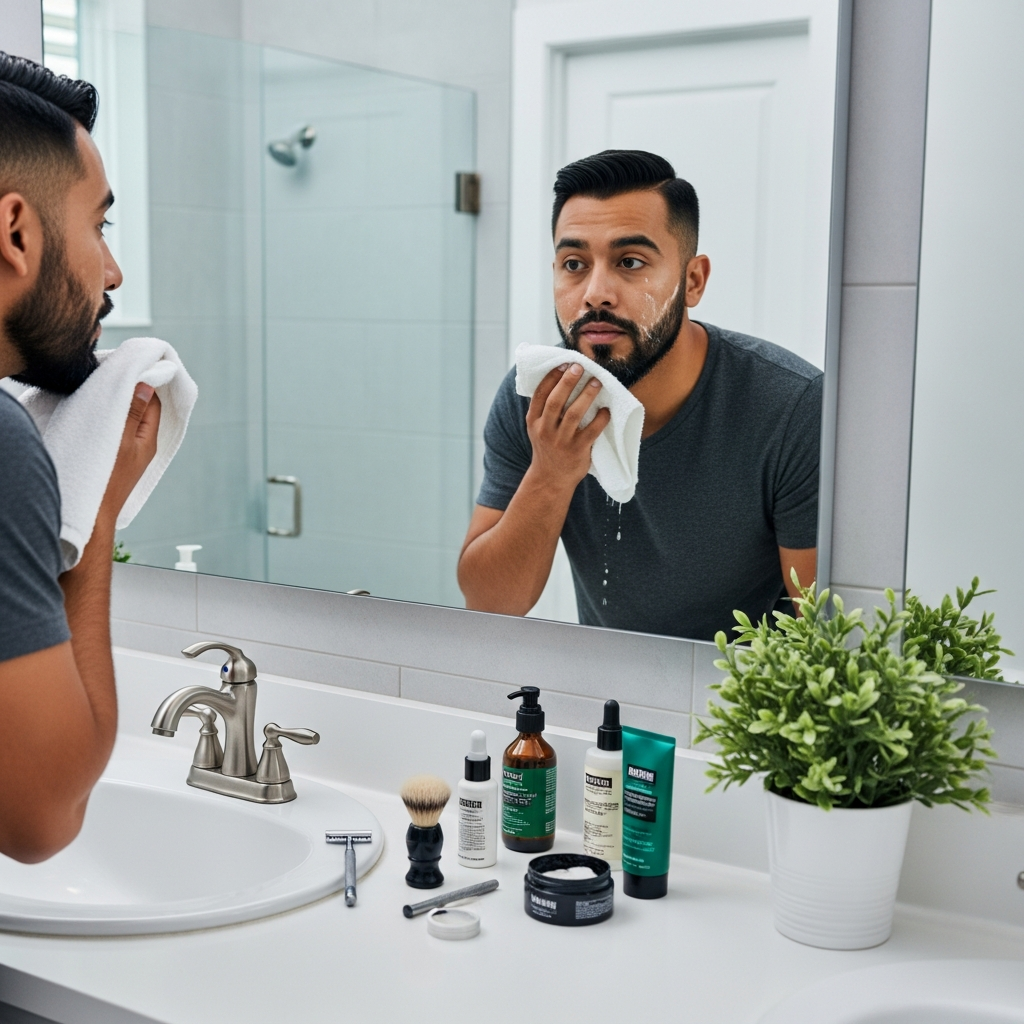
Clean skin only. Seriously. Sunscreen, moisturizer, makeup – all of these can act as barriers or, worse, heat up in ways that aren’t ideal. Wash your face, pat dry, then do your session. You can apply your serums and moisturizers *after*, and here’s the bonus: your skin’s absorption is genuinely enhanced post-session, so that’s actually the best time to use your good stuff anyway.
No oils on the skin during treatment either. Certain photosensitizing oils can cause irritation under concentrated light. Citrus-based products especially – just hold off until after.
Building a Routine That Actually Sticks
Three to five sessions per week is the research-backed sweet spot for most goals. Every day sounds more committed, but it’s also how people burn out and abandon the panel that’s now collecting dust in the corner. (We’ve all got one of those somewhere…)
The trick is anchoring it to something you already do. Right after your morning shower. While you’re reading the news. During a specific podcast you save just for those sessions. The specificity matters – “I’ll do it when I have time” is a guarantee you’ll do it never.
Give it 60-90 days before you make any real judgments. Red light therapy works at the cellular level, which means changes are happening before you see them. Skin turnover alone takes roughly 28 days. People who quit at week three are often quitting right before things get interesting.
Eye Protection – A Real Conversation
Many panels come with goggles. Use them, especially if you’re treating your face. The research on direct retinal exposure to these wavelengths is still evolving, and the intensity of quality home panels is nothing to be casual about. That said, some people do targeted eye-adjacent treatments for skin around the eyes – just keep them closed and use the goggles. Simple.
Tracking What’s Actually Changing
Take photos. Consistent lighting, same angle, every two weeks. Your brain is genuinely terrible at noticing gradual change in your own face – it’s the same reason you don’t notice a child growing until you see an old photo. The documentation keeps you honest and, when you start seeing differences, genuinely motivated.
Note any pain levels, sleep quality, or energy on a simple 1-10 scale too. The benefits you care about most might not be the ones that show up first, and having that data helps you see the full picture of what’s shifting.
When Real Life Gets in the Way
Let’s be honest for a second. You’ve read about the benefits, you’re excited, maybe you’ve already ordered a panel – and then… life happens. The device sits in the corner of your bedroom for two weeks because you can’t figure out the best time to use it, or you’re not sure if it’s actually doing anything, or the whole routine just feels like one more thing on an already overwhelming list.
That’s not failure. That’s just being human. Here’s what actually trips people up – and what to do about it.
“I Can’t Stay Consistent”
This is the big one. Red light therapy isn’t a take-two-and-call-me-in-the-morning situation. It works through accumulated exposure over time, which means skipping sessions regularly really does undermine your results. The research generally points to 3-5 sessions per week for meaningful benefit, and that sounds easy until you’re exhausted on a Tuesday night and the couch is right there.
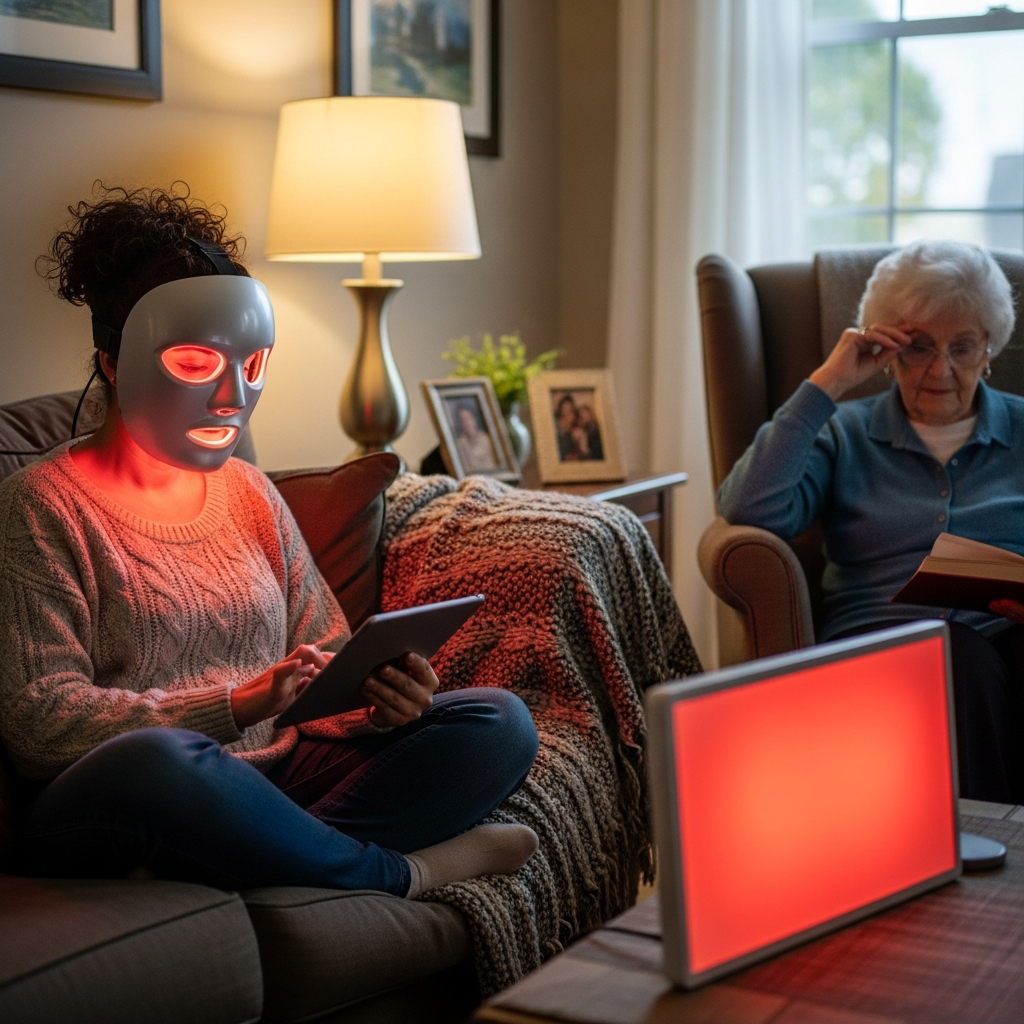
The solution most people don’t try? Habit stacking. Instead of treating your session as a separate event, attach it to something you already do. Morning coffee brewing? Stand in front of your panel while you wait. Watching a show after dinner? Pull the device into the living room. You don’t have to be standing at attention in a dedicated wellness space – you just have to show up.
A simple paper calendar on the wall works better for tracking this than any app, by the way. Something about physically crossing off a day feels satisfying in a way that tapping a screen just doesn’t.
The “Is This Even Working?” Spiral
Red light therapy is maddeningly subtle in the early weeks. Unlike, say, a heating pad where you feel immediate warmth and relief, cellular-level changes don’t announce themselves. Most people start noticing improvements in skin texture or sleep quality around weeks 3-4, sometimes longer. Meanwhile, you’re standing there in your underwear pointing a light at yourself and wondering if you’ve made a very expensive mistake.
This is where keeping a simple log saves your sanity. Nothing elaborate – just a quick note every few days about sleep quality, energy, how your skin looks, any joint discomfort. You won’t notice gradual improvements day-to-day, but looking back at a month’s worth of notes? The pattern usually becomes pretty clear.
Eye Safety Confusion
Here’s something that genuinely confuses a lot of new users. Red and near-infrared light therapy panels aren’t the same as UV tanning lights – they won’t burn your eyes with a glance – but prolonged direct staring is still not a great idea, and some people develop headaches or eye strain without realizing the panel is the culprit.
The practical fix is simple: either wear the protective goggles that came with your device (don’t toss those), keep your eyes closed during sessions targeting your face, or position the light slightly off-angle so you’re not looking directly into it. Most protocols for face and skin don’t require you to stare into the light anyway.
Distance and Timing Guesswork
People either stand too far away (basically doing nothing) or press themselves uncomfortably close thinking more is better. Neither extreme is ideal. Most panels are designed to be effective at roughly 6-12 inches for targeted treatment, though this varies by device power output – your manual is actually worth reading here, genuinely.
Session length confuses people too. The instinct is to go longer assuming it’ll speed things up. It won’t. Most research-supported protocols run 10-20 minutes per area. Beyond that, you’re not getting extra benefit – you might actually be pushing into a range of diminishing returns.
Skin Preparation Nobody Talks About
Sunscreen, thick moisturizers, and some makeup can block light wavelengths from penetrating effectively. A lot of people don’t realize they’re essentially treating their SPF 50, not their skin. Clean, bare skin before your session makes a real difference – and it’s such an easy fix that it’s almost embarrassing how often this gets overlooked.
Actually, that reminds me – spray tans and self-tanners can also interfere. Not a huge deal, just something to be aware of if you’re not seeing results you expected.
When to Actually Call Someone
If you have photosensitive conditions, are taking medications that increase light sensitivity, or are pregnant, please don’t just wing it based on internet research. Red light therapy has a genuinely strong safety profile for most people – but “most people” is doing some work in that sentence. A quick conversation with your healthcare provider costs nothing and gives you real peace of mind.
What to Actually Expect (And When)
Let’s be honest for a second – because there’s a lot of hype around red light therapy, and the last thing you need is to spend money on a device, use it faithfully for two weeks, and then feel like you got duped when you’re not glowing like a magazine cover.
Red light therapy works. The research is solid. But it works *slowly*, and it works best when you understand what “working” actually looks like.
Think of it less like flipping a light switch and more like watering a plant. Nothing seems to be happening for a while… and then one day you notice something.
The Realistic Timeline
The first thing most people notice – usually somewhere around the two to four week mark with consistent use – is better sleep and improved mood. These tend to show up quietly. You just realize you’ve been waking up feeling more rested, or that the afternoon slump isn’t hitting as hard. Easy to miss if you’re not paying attention.
Skin changes take longer. Most people start to see meaningful improvements in texture, tone, and that general “something looks different but I can’t name it” quality somewhere between six and twelve weeks. Collagen doesn’t rebuild overnight – it’s a slow, cellular process happening underneath the surface while you’re going about your day.
Muscle recovery and joint comfort? That timeline varies wildly depending on the person and the issue. Some people feel meaningful relief within a few sessions. Others need a solid month before they’d call it significant. Both experiences are normal.
What *isn’t* normal is expecting dramatic transformation in 72 hours. If a device is being marketed with before-and-afters from a single week, be skeptical.
Consistency Is Basically Everything
Here’s the thing that separates people who swear by their home device from people who say “eh, it didn’t do much for me” – consistency. Not intensity. Not duration. Just showing up regularly.
Most research protocols use sessions three to five times per week, roughly ten to twenty minutes per session depending on what you’re targeting. That’s genuinely manageable. You can do it while watching something on your phone, or just sitting quietly, which honestly isn’t the worst forced rest you’ll give yourself all day.
Missing a session here and there isn’t going to undo your progress. But going hard for two weeks and then forgetting about it for a month? That’s where results stall. Your cells respond to regular, repeated signaling – not occasional heroic efforts.
How to Set Yourself Up to Actually Notice Results
Keep a simple log. Seriously, even just jotting a few notes on your phone every week – how’s your skin feeling, how’s your sleep, any joint discomfort – makes a huge difference. Because progress with red light therapy is gradual enough that you can genuinely forget where you started. A photo log for skin is especially useful. Take one before you begin, then once a month under the same lighting.
Also – and this is worth saying – red light therapy works best as part of a broader approach to your health, not as a standalone fix. If you’re using it to support weight loss efforts, pairing it with good nutrition, adequate sleep, and movement will amplify everything. It’s not magic. It’s a tool. A pretty impressive one, but still.
When to Check In With a Professional
If you have any underlying health conditions, are pregnant, have a history of photosensitivity, or are on medications that affect your skin’s response to light, it’s worth having a quick conversation with your doctor before you start. Red light therapy has an excellent safety profile – but “safe for most people” and “right for *your* specific situation” are two different things.
And if you’re using it to address something specific – chronic pain, a skin condition, supporting a weight loss plan – a medical professional can help you track whether it’s actually moving the needle for that particular goal.
Give It Time
Three months of consistent use is a reasonable benchmark for evaluating whether red light therapy is delivering real benefits for you. Not three days. Not three weeks. Three months.
If you’ve reached that point and nothing has shifted, it’s worth reassessing – the device quality, the protocol, whether there’s something else going on that needs attention. But most people who stick with it find themselves in that satisfying position of flipping back through old photos and thinking… huh. Something really did change.
So there you have it – ten pretty compelling reasons why so many people are quietly setting up these panels in their bedrooms, home offices, and bathroom corners. And honestly? The more you look at the research, the harder it gets to dismiss this as just another wellness fad.
What strikes me most about red light therapy is how it meets people where they are. You’re not rearranging your whole life around it. You’re not committing to a brutal schedule or white-knuckling through something unpleasant. You’re just… standing in front of a light for a few minutes. That’s it. And somewhere in that simplicity, real things are happening – your cells are responding, inflammation is calming down, your skin is getting a little more love than it did yesterday.
It’s Not a Magic Fix – And That’s Actually Fine
Look, we’d be doing you a disservice if we pretended red light therapy was going to solve everything on its own. It won’t. Nothing does. But as one piece of a bigger wellness picture – alongside good nutrition, movement you actually enjoy, decent sleep, and maybe some medical support if you need it – it can be genuinely meaningful. Think of it like compound interest. Each small, consistent habit adds to the others, and over time? The results start to show up in ways that surprise you.
That’s especially true when you’re working on weight management or metabolic health. The benefits we talked about – better sleep, reduced inflammation, improved mood, more energy – those aren’t just nice-to-haves. They’re the exact things that make healthy choices feel easier and more sustainable day to day. It’s hard to make good decisions when you’re exhausted and inflamed and your cortisol is through the roof. Anything that helps soften those edges matters.
You Don’t Have to Figure This Out Alone
Here’s the thing we really want you to know. Whether you’re considering red light therapy as part of a weight loss effort, a recovery routine, or just a general “I want to feel better in my body” kind of goal – you don’t have to piece it all together by yourself through late-night internet rabbit holes.
That’s literally what we’re here for.
If you’re curious about how red light therapy might fit into a personalized wellness or weight management plan, or you just have questions you’re not sure who to ask – reach out to us. No pressure, no sales pitch waiting on the other end. Just a real conversation with people who genuinely care about helping you find what works for *your* life, your schedule, your body.
Sometimes you just need someone to look at the full picture with you. To say, “okay, here’s where you are, here’s what might help, and here’s how we can support you getting there.” That’s what we do.
So if something in this article sparked a question, or you’re sitting there thinking *yeah, but would this actually work for me* – trust that instinct. Ask the question. Send us a message, give us a call, or just stop by. We’ve talked to enough people at exactly this point – curious, maybe a little skeptical, hoping something might finally click – to know that starting the conversation is usually the best first step.
You deserve to feel good. Really, genuinely good. And we’d love to help you get there.