What Areas of the Body Can Red Light Therapy Treat?
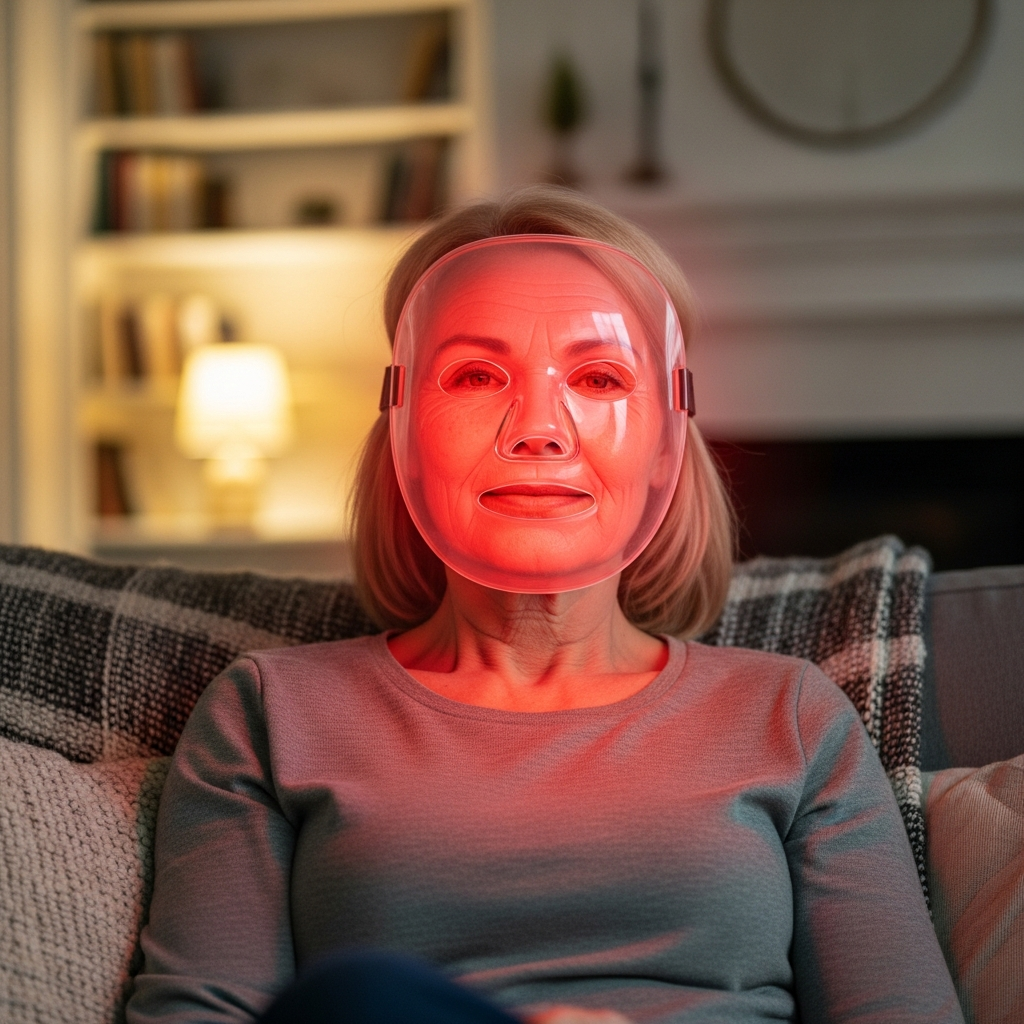
You’ve probably seen it by now – that eerie, glowing red light emanating from a panel at the gym, or maybe a friend casually mentioning they’ve been “doing red light therapy” for their back pain. Perhaps you’ve scrolled past ads featuring sleek devices promising everything from clearer skin to faster muscle recovery and thought… okay, but does any of this actually work? And if it does, where exactly can it work *on you*?
That’s the question we really want to answer here. Because there’s a big difference between “this technology exists” and “this technology might actually help with that nagging knee pain you’ve had since your hiking trip in 2019.”
Red light therapy has had a bit of an interesting road to mainstream attention. For decades it was mostly confined to clinical research settings and physical therapy offices – the kind of thing your doctor might have heard about but shrugged off as fringe. Then somewhere along the way, the evidence started stacking up. Legit, peer-reviewed evidence. And now you’re seeing these devices everywhere, from high-end spas to Amazon storefronts to medical weight loss clinics like ours.
So what’s actually going on here?
The short version – and we’ll get into the details later – is that red and near-infrared light wavelengths penetrate your skin and essentially give your cells a little… boost. Think of your mitochondria (you know, the powerhouse of the cell – yes, your high school biology teacher was right about something important) as a solar panel that’s been running in partial shade. Red light therapy is like moving that panel into full sun. Your cells produce more energy, inflammation calms down, circulation improves, tissue starts repairing itself more efficiently.
The really fascinating part? This isn’t happening in just one spot. That cellular response doesn’t care whether it’s being triggered in your face, your lower back, your knee, or your scalp. Which is exactly why the list of areas that red light therapy can treat is – honestly – kind of staggering when you first see it laid out.
That said, we know how this feels. When something seems to treat too many things, the skeptic in you (reasonably!) starts wondering if you’re looking at an old-timey snake oil ad. We get it. We’ve had patients sit across from us with that exact look on their face – arms crossed, half-curious, half-convinced they’re about to hear a sales pitch.
But here’s what we actually want you to take away from this article: the breadth of red light therapy’s applications isn’t suspicious – it’s logical. When you’re working at the cellular level, you’re working on the fundamental building blocks of every tissue in your body. Skin cells in your face and muscle tissue in your shoulder both respond to the same underlying mechanism. That’s not magic. That’s biology.
Now, does that mean red light therapy is a cure-all? Absolutely not, and anyone who tells you otherwise is overselling it. There are areas where the research is robust and well-established. There are others where we’re still learning, where the early data looks promising but we’d want to see more studies before getting too excited. We’ll be honest about that distinction as we go, because you deserve a straight answer, not a highlight reel.
What you’re going to learn in this article is a genuine, head-to-toe look at the body areas where red light therapy has shown real, meaningful results. We’re talking about skin concerns like acne and signs of aging, chronic pain in joints and muscles, hair loss (yes, really), wound healing, and even some surprising connections to fat reduction and metabolic health – which, as a medical weight loss clinic, is territory we find particularly interesting.
We’ll break it down by area of the body so you can cut straight to what matters most to you personally. Because maybe you don’t care about your scalp at all – maybe you just want to know if this could finally do something about your arthritic hands or your post-workout soreness.
Either way, by the time you finish reading, you’ll have a clear, honest picture of what red light therapy can and can’t do – and whether it might actually deserve a place in your own health routine.
How Red Light Actually Gets Into Your Body
Okay, so here’s where it gets a little weird – in a good way. Red light therapy works by sending specific wavelengths of light (typically somewhere between 630 and 850 nanometers, if you want to get technical about it) deep into your tissue. Not just skin-deep, either. We’re talking past the outer layers, into muscle, fat, even bone in some cases.
The analogy that always clicks for me? Think about how sunlight warms the sand at the beach – not just the surface, but several inches down. Red and near-infrared light work similarly. It penetrates. And unlike UV light, which we’ve all been rightfully scared into avoiding, red light doesn’t damage tissue. It *stimulates* it.
Your cells have these little energy receptors called mitochondria – yeah, the “powerhouse of the cell” from middle school biology. When red light hits them, it triggers a process that essentially tells your mitochondria to produce more ATP, which is basically cellular fuel. More fuel means cells can do their jobs better. Repair faster. Function more efficiently. It’s less about the light doing something *to* you and more about it giving your cells what they need to do something *for* you.
Why Different Wavelengths Matter (And Why You Shouldn’t Ignore This)
Here’s the counterintuitive part that trips a lot of people up. Not all red light is the same. The wavelength determines how deep the light penetrates, which directly affects which body parts and conditions can actually benefit.
Shorter wavelengths in the red spectrum – around 630-660nm – tend to work closer to the surface. Great for skin concerns, wound healing, that kind of thing. Longer near-infrared wavelengths, closer to 810-850nm, push deeper into tissue. That’s where you start getting into joint pain, muscle recovery, even inflammation that’s sitting well beneath the surface.
So when someone asks “can red light therapy treat X?” – the honest answer often depends on *which* wavelength is being used and whether it can actually reach the target area. A device designed for facial skin rejuvenation isn’t necessarily the right tool for deep hip joint pain. It’s a little like using a kitchen knife to do surgery – both are sharp, but specificity matters.
The Inflammation Connection
Most of what red light therapy treats – across pretty much every body area we’re going to get into – circles back to one thing: inflammation. Whether it’s chronic joint pain, slow-healing wounds, stubborn skin conditions, or muscle soreness that won’t quit… inflammation is usually lurking somewhere in the story.
Red light therapy has this fascinating ability to modulate inflammatory responses at the cellular level. It doesn’t just suppress inflammation the way an anti-inflammatory drug might (which, let’s be honest, sometimes causes its own problems). Instead, it seems to help the body regulate itself more intelligently. At least, that’s the working theory – researchers are still unpacking exactly how the signaling cascade works, and science being science, there’s still some debate about the mechanisms.
What’s less debated is the clinical observation that it *helps* – across a surprising range of tissues and conditions.
A Quick Note on What It Can’t Do
Before we get into the exciting stuff, it’s worth being straight with you. Red light therapy isn’t magic. It won’t reverse serious structural damage to a joint, it won’t spot-reduce fat on its own, and it works best as part of a broader health approach – not as a standalone silver bullet.
Actually, that’s probably the most important thing to understand going in. The reason it can treat so many different body areas isn’t because it’s some mystical cure-all – it’s because inflammation and poor cellular function affect virtually every tissue in the body, so a therapy that addresses those root-level issues naturally has wide-ranging applications.
Think of it less like a targeted medicine and more like tuning up your car’s engine. You’re not replacing the transmission or fixing a flat tire – you’re improving the underlying performance so everything runs a little better.
That’s the foundation. Now let’s actually talk about where it works and what the evidence looks like for each area – because some of the results are genuinely surprising.
Getting the Most Out of Each Session
Here’s something most people don’t figure out until they’ve wasted a few weeks of sessions: distance matters more than duration. For most red light therapy devices, you want to be 6-12 inches away from the panel. Too far and you’re barely getting a therapeutic dose. Too close and you risk skin irritation – not dangerous, just counterproductive. Think of it like sunbathing. There’s a sweet spot between “not enough” and “overdid it.”
For the face and neck – probably the most popular treatment area – position yourself so the light hits evenly across both cheeks, forehead, and jawline. Don’t just aim it at your problem spots. The surrounding tissue benefits too, and uneven treatment can actually look a little weird over time if you’re only targeting one zone obsessively.
Treating Your Joints and Muscles at Home
If you’re using red light for knee pain, back stiffness, or those shoulders that remind you every morning that you’re not 25 anymore… the single biggest mistake is inconsistency. Three sessions one week, nothing for two weeks. Your body needs the cumulative signal.
Aim for 4-5 sessions per week on problem joints, each around 10-15 minutes. For deeper tissue – think lower back, hip flexors, thicker muscle groups – you actually want to lean toward the longer end of that window. Superficial stuff like wrist tendons or finger joints responds faster, often within 2-3 weeks of consistent use.
One thing worth knowing: treat the area *before* exercise if you’re targeting performance and recovery. Treat it *after* if you’re dealing with chronic pain or inflammation. The timing genuinely changes what you’re asking the tissue to do.
Targeting the Scalp (Yes, Really)
Scalp treatment is where people get the most skeptical – and honestly, it’s one of the better-researched applications. If you’re dealing with thinning hair, you need direct contact or very close proximity, because hair itself blocks light transmission. Part your hair before positioning the device. Some people use a handheld wand for this reason – it lets you section and treat methodically rather than hoping the light penetrates through a full head of hair.
Be patient here. We’re talking 12-16 weeks before you’ll notice meaningful regrowth. This isn’t a quick win. But if you quit at week 8 because “nothing’s happening,” you’re probably just a month away from seeing something.
Abdomen, Skin, and the Areas People Forget
The torso is actually underutilized. Red light therapy on the abdomen has shown some promise for supporting inflammation reduction – relevant if you’re working on metabolic health or dealing with digestive issues. It’s not a magic belly-flattening tool (nothing is, despite what you’ll see advertised), but as a complement to a structured weight management program, it’s a reasonable addition.
Wound healing and scar tissue are genuinely impressive applications. Post-surgical scars, acne scarring, stretch marks – these all respond to consistent near-infrared and red light exposure. Apply to clean, dry skin. No lotions, no oils beforehand. They can actually block light penetration or cause unexpected reactions.
Actually, that reminds me – avoid treating over tattoos, especially fresh ones. The pigment absorbs heat differently and it’s just not worth the risk.
Building a Realistic Routine
Here’s the honest truth: most people overthink the body-mapping and under-think the consistency. Pick two or three areas that matter most to you right now. Rotate if you need to, especially if you’re using a smaller panel. But don’t try to treat everything every day – you’ll burn out on the routine before you see results.
A simple structure that actually works
– Morning sessions for the face, scalp, and energy-related goals (red light has a mild alerting effect – using it at night can occasionally disrupt sleep for sensitive people) – Post-workout or evening for joints, muscles, and recovery
Keep a simple log. Nothing fancy – even just a note in your phone. “Left knee – week 3 – noticeably less stiff in the mornings.” That kind of tracking keeps you honest about whether it’s working and helps you adjust without guessing.
The body’s pretty good at responding to consistent signals. Give it that consistency, position yourself correctly, and you’ll be surprised what shifts.
When Real Life Gets in the Way
Let’s be honest – red light therapy sounds almost too simple. You stand in front of a light, things improve. But if you’ve tried it and felt frustrated, or you’re researching before you start and wondering what could go wrong, you deserve a straight answer. There are real obstacles people run into, and glossing over them doesn’t help anyone.
So here’s what actually trips people up.
The “I Don’t See Anything Yet” Problem
This is probably the most common reason people quit. You’ve been consistent for two, maybe three weeks. You’re treating your knee, or your acne, or that persistent patch of tension in your lower back. And… nothing feels different.
Here’s the thing – red light therapy works at the cellular level first. You’re essentially asking your mitochondria to work differently, your collagen production to shift gears, your inflammation pathways to calm down. That’s not something you feel on a Tuesday afternoon. Most people start noticing meaningful changes somewhere between four and twelve weeks, depending on the condition and how deep the tissue involvement is.
Deeper issues – joint pain, muscle recovery, things happening well below the skin’s surface – take longer than surface-level skin concerns. That’s just biology, not failure.
The solution? Track something measurable. Take photos every two weeks if you’re treating a skin condition. Keep a simple pain journal with a number scale if you’re working on inflammation or soreness. Your brain is remarkably bad at remembering gradual changes, so you need documentation to actually see the trend.
Getting the Distance and Duration Wrong
You’d think this would be straightforward, but it genuinely isn’t. Too far from the device and the photons scatter before they reach your tissue with enough intensity. Too close with certain devices and you’re not getting the broad coverage you need. Too short a session and nothing accumulates. Too long and you’ve potentially crossed into a zone of diminishing returns – there’s something called biphasic dose response, which basically means more isn’t always better.
Most clinical devices and quality home units have recommendations for a reason. A general starting point is about six to twelve inches from the treatment area, for roughly ten to twenty minutes per zone. But that varies by device power output, which is why reading your specific unit’s guidelines actually matters here.
The honest solution is to treat those guidelines as a real starting protocol, not suggestions. Adjust from there based on results, not impatience.
Treating the Wrong Area (Or Only the Obvious One)
This one’s subtle. Someone has chronic shoulder pain, so they treat their shoulder. Makes sense, right? Except sometimes the shoulder is where the problem shows up, not where it lives. Tight chest muscles, poor thoracic mobility, referred pain from the neck – you could illuminate that shoulder every day and see limited results because you’re missing the actual source.
Red light therapy treats tissue it reaches. It doesn’t automatically track down the root cause of a complex issue. If you’re not seeing results in a specific area, it might be worth thinking more broadly about what’s connected – and honestly, this is a good reason to loop in a physical therapist or your clinic’s medical team rather than going it alone.
Consistency is Harder Than It Sounds
Three sessions a week sounds easy. Then life happens. Work gets chaotic, you travel, the routine breaks for a week, guilt accumulates, and suddenly it’s been three weeks since you used the device.
This is so normal. But scattered, inconsistent sessions really do undermine cumulative progress.
Actually, the best solution here isn’t willpower – it’s friction reduction. Attach your sessions to something you already do. Morning coffee, lunch breaks, right after evening workouts. Make it boring and automatic rather than special and motivating. Special and motivating sounds great until it doesn’t.
Expecting It to Do Everything Alone
Red light therapy is genuinely powerful for a lot of the body’s systems. But it’s not working in isolation – your sleep, hydration, nutrition, and stress levels are either amplifying or undermining whatever the light is doing. People who see the best results are usually treating it as one solid piece of a broader approach, not a standalone fix.
That’s not a platitude. That’s just physiology being honest with you.
What to Actually Expect (And When)
Let’s be honest with each other for a second. Red light therapy is genuinely promising – there’s solid research behind it – but it’s not magic, and the wellness industry has a frustrating habit of making it sound like one session will transform your life. It won’t. And going in with unrealistic expectations is the fastest way to give up on something that might actually help you.
So here’s the real talk version.
The Timeline Is Slower Than You Think
Most people feel absolutely nothing after their first session. That’s normal. You’re not broken, and the device isn’t broken either. Red light therapy works at the cellular level, which means changes are happening beneath the surface long before you notice anything in the mirror or feel it in your joints.
For skin concerns – things like fine lines, texture, or redness – most people start noticing subtle changes somewhere around the 8-12 week mark with consistent use. Not dramatic before-and-after photo results. Subtle. A friend might say you look a little refreshed. Your skin might feel a bit smoother. It’s incremental progress, kind of like how you don’t notice your hair growing until suddenly it’s an inch longer.
For pain and inflammation – muscle soreness, joint discomfort, that stubborn lower back situation you’ve been ignoring – some people feel relief faster, sometimes within a few weeks. Others take longer. It genuinely depends on what’s going on in your body, how chronic the issue is, and honestly, a dozen other factors your clinician knows better than any general article can tell you.
For body composition goals – fat reduction, skin tightening after weight loss – you’re typically looking at a minimum of 12 weeks before meaningful changes show up, and that’s with a comprehensive plan behind it. Red light therapy is a tool that works *with* your other efforts, not instead of them.
Consistency Is Everything
This is the part people underestimate. Missing sessions here and there, doing two treatments then taking a two-week break, doing them sporadically when you remember… that’s not going to work. Red light therapy requires a regular schedule to build on itself, similar to how physical therapy exercises don’t do much if you only do them occasionally when you feel like it.
Most protocols involve multiple sessions per week, at least in the beginning. Your provider will give you a specific plan based on your goals – stick to it, even when nothing seems to be happening yet. Especially then, actually.
What’s Normal (And What Isn’t)
A mild warmth during treatment? Totally normal. Feeling a little tired afterward? Some people experience that initially as the body responds. Seeing no dramatic change in the first month? Also normal – expected, even.
What’s worth mentioning to your provider: any unusual skin reactions, increased pain rather than decreased pain, or anything that just feels off. Serious side effects are rare, but you’re not doing anyone any favors by quietly tolerating something that doesn’t feel right.
Also worth knowing – some people experience what feels like a “purge” with skin treatments, where things briefly look worse before they improve. Think of it as your skin recalibrating. It doesn’t happen to everyone, but it’s not a reason to panic or quit.
Setting Yourself Up for Success
Before you start, have an honest conversation with your provider about your specific goals. Not “I want to look better” – be specific. What areas concern you most? What’s your timeline? Are there other treatments or lifestyle changes that should be happening alongside this?
Red light therapy tends to work best when it’s part of a bigger picture. If you’re using it for body contouring but not making any changes to your diet, you’ll see limited results. If you’re using it for pain management but not doing any of the physical rehabilitation your doctor recommended, same story. It enhances what you’re already doing – it doesn’t replace the foundation.
The people who get the most out of red light therapy are the ones who treat it like a commitment rather than an experiment. They show up consistently, they give it real time, and they combine it with the other pieces of a healthy lifestyle.
That might sound like a lot. But when you find something that actually starts working? It’s worth every session.
So there you have it – red light therapy isn’t really a “one trick pony” kind of treatment. It’s remarkably versatile, working quietly at the cellular level to support healing, reduce inflammation, and encourage your body to do what it’s actually designed to do… repair and regenerate. Whether we’re talking about stubborn joint pain, skin that’s lost some of its glow, or areas of the body that feel like they’ve just given up responding to everything else you’ve tried – red light therapy has shown genuine, research-backed promise across a surprising range of concerns.
And honestly? That’s what makes it so exciting to talk about.
It’s Not a Magic Wand (But It’s Pretty Close)
Look, we’d never promise you a miracle – that’s not how we operate. But what red light therapy *does* offer is something a lot of people haven’t experienced in a while: a treatment that works with your body instead of against it. No harsh chemicals, no downtime, no recovery week where you’re icing your face and eating soup on the couch. Just wavelengths of light doing their quiet, effective work.
The areas it can address are genuinely broad – from your face and scalp down to your joints, muscles, and even deeper tissue concerns. That’s not us overselling it. That’s just what the science keeps showing, study after study.
Every Body Is Different, Though
Here’s the thing we really want you to take away from all of this – what works beautifully for one person might need to be adjusted, layered, or combined with other approaches for someone else. Your skin history is different. Your inflammation patterns are different. The way your body responds to treatment is uniquely yours.
That’s why having an actual conversation with someone who knows this stuff matters so much more than just buying a device off the internet and hoping for the best. (We’ve seen that story before, and it rarely ends with the results people were hoping for.)
You Don’t Have to Figure This Out Alone
If you’ve been reading through all of this and quietly thinking *”okay but would this actually work for me?”* – that question deserves a real answer, not a generic one. Maybe you’ve been dealing with something for years and you’re a little skeptical, a little hopeful, and honestly a little tired of trying things that don’t pan out. That’s completely understandable.
Our team genuinely loves these conversations. Not because we’re trying to sell you something, but because helping people find real solutions to real problems – that’s actually why we do this work.
So if you’re curious, reach out. Ask your questions. Tell us what’s been bothering you, what you’ve already tried, what you’re hoping for. We’ll give you an honest picture of whether red light therapy makes sense for your situation – and if it does, we’ll walk you through exactly what that would look like for you specifically.
No pressure, no rush. Just a straightforward conversation with people who care about getting you to a place where you actually feel good in your body again.
You deserve that. And it might be closer than you think.