10 Things to Know Before Using a Red Light Therapy Mask
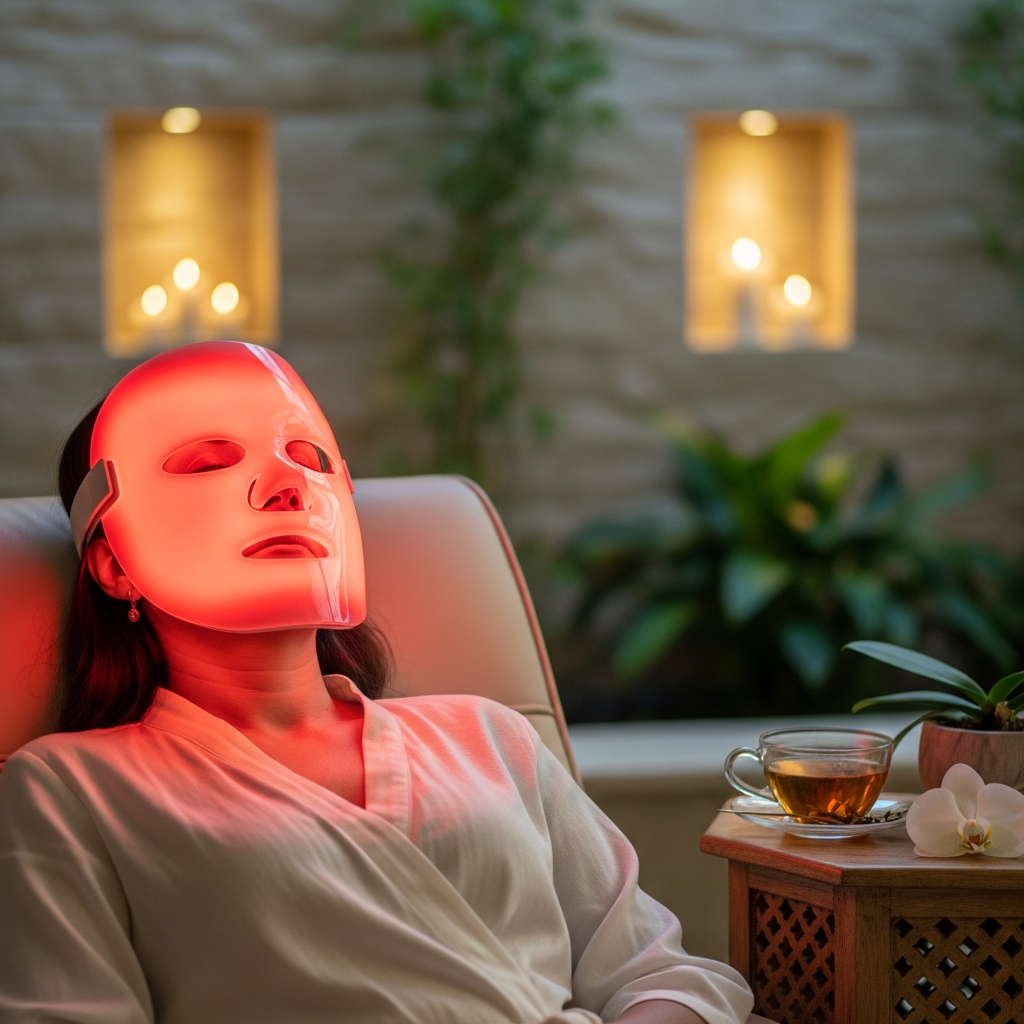
You’re standing in your bathroom at 11 PM, staring at your reflection under those unforgiving LED lights, and honestly? You look exhausted. The day’s stress is written all over your face – those little lines around your eyes seem deeper, your skin looks dull, and you’re pretty sure that’s a new breakout forming on your chin. Again.
Sound familiar?
You’ve probably scrolled past those Instagram ads showing people wearing what looks like a glowing robot mask, promising miraculous skin transformations. Maybe you’ve rolled your eyes, thinking it’s just another wellness trend that’ll disappear faster than last year’s ice bucket challenge. But then… your coworker mentions her red light therapy mask helped clear up her hormonal acne. Your sister swears it’s helping with those stubborn wrinkles she’s been obsessing over.
And now you’re curious. Actually, more than curious – you’re wondering if this weird-looking contraption could be the answer to your skin struggles.
Here’s the thing about red light therapy masks: they’re not just another beauty gimmick trying to separate you from your hard-earned money. The science behind them is actually pretty solid – we’re talking about legitimate research showing how specific wavelengths of light can stimulate cellular repair, boost collagen production, and reduce inflammation. NASA originally developed this technology for wound healing in space (seriously!), and now it’s sitting on your Amazon wishlist.
But – and this is a big but – not all red light therapy masks are created equal. Some are about as effective as holding a flashlight up to your face, while others pack genuine therapeutic power. The difference between a good mask and a waste-of-money mask often comes down to details most people never think to ask about.
You know what’s frustrating? Most articles about red light therapy read like they were written by someone who’s never actually used one. They throw around technical terms, list benefits that sound too good to be true, and leave you more confused than when you started. Meanwhile, you just want to know: Will this actually work for MY skin concerns? How often should I use it? And please, for the love of all things holy, will I look ridiculous wearing it?
Those are exactly the kinds of real-world questions we’re going to tackle.
Over the years working with clients at our clinic, I’ve seen people make some pretty costly mistakes with red light therapy. Like the woman who bought the cheapest mask she could find on a random website, used it religiously for three months, and saw zero results. Turns out the wavelengths were completely wrong for skin benefits. Or the guy who bought a high-end device but used it incorrectly and actually irritated his sensitive skin.
These aren’t horror stories – they’re preventable mistakes that happen when you don’t know what to look for.
The truth is, when you understand how to choose the right device and use it properly, red light therapy can be genuinely transformative. I’ve watched clients see improvements in everything from acne scarring to fine lines to overall skin tone. But the key word there is “understand.”
That’s exactly what we’re going to cover. We’ll walk through the ten most important things you need to know before investing in a red light therapy mask. Not the obvious stuff you can find in any product description, but the insider knowledge that makes the difference between success and disappointment.
We’ll talk about wavelengths (don’t worry, I’ll make it simple), safety considerations your dermatologist would want you to know, and how to spot quality devices versus clever marketing. You’ll learn what realistic expectations look like – because yes, this technology works, but no, it’s not going to turn back time overnight.
Most importantly, you’ll discover whether red light therapy is actually right for YOUR specific skin type and concerns. Because the last thing you need is another expensive device collecting dust in your bathroom drawer.
Ready to separate the facts from the hype? Let’s get into it…
What Actually Is Red Light Therapy?
Think of red light therapy like giving your cells a really good cup of coffee – but instead of caffeine, you’re serving up specific wavelengths of light. We’re talking about light in the 660 to 850 nanometer range, which sounds super technical, but here’s what matters: this particular red light can actually penetrate your skin (unlike, say, blue light from your phone that just bounces off).
Your mitochondria – those tiny powerhouses inside your cells – seem to absolutely love this stuff. They gobble up these light wavelengths and convert them into cellular energy, kind of like how solar panels work, except… well, way more complicated and happening inside your face.
The whole thing sounds a bit sci-fi, doesn’t it? I mean, putting on a mask that looks like something from a space movie to improve your skin? But here’s the thing – NASA actually started researching this technology back in the ’90s for wound healing in space. So yeah, it’s got some serious scientific street cred.
How Your Skin Actually Responds
When that red light hits your skin, it’s not just sitting there looking pretty. Your cells start ramping up collagen production – think of collagen as the scaffolding that keeps your skin plump and smooth. As we age (ugh, don’t remind me), we produce less of it, which is why everything starts heading south.
But here’s where it gets interesting… your skin doesn’t just make more collagen willy-nilly. The light seems to trigger your fibroblasts – the cells responsible for making collagen – to work more efficiently. It’s like upgrading from a flip phone to a smartphone. Same basic function, way better performance.
You might also notice improved circulation during and after treatment. That warm, tingly feeling? That’s increased blood flow bringing fresh nutrients to your skin cells and helping cart away waste products. Kind of like finally organizing your junk drawer – everything flows better when the clutter’s gone.
The Science Behind the Glow
Now, I’ll be honest – some of the research on red light therapy makes my brain hurt a little. There are studies on something called “photobiomodulation” (try saying that three times fast), which is basically the fancy term for how light affects biological processes.
What we do know is that certain wavelengths seem to reduce inflammation, which is huge because inflammation is basically the troublemaker behind most skin issues. Acne? Often inflammatory. Fine lines? Partly due to inflammation breaking down collagen. Rosacea? Definitely inflammatory.
The research shows promising results for wound healing, reducing fine lines, and even helping with acne. But – and this is important – the studies vary wildly in terms of device types, treatment times, and wavelengths used. It’s not like studying aspirin where we know exactly what dose does what.
Why Wavelength Matters More Than You Think
Here’s something that confused me at first: not all red light is created equal. The difference between 630nm and 850nm might seem tiny, but to your skin, it’s like the difference between a gentle knock and someone actually opening the door.
Shorter wavelengths (around 660nm) tend to work better for surface-level skin issues – think acne, minor sun damage, that kind of thing. The longer wavelengths (closer to 850nm) can penetrate deeper and might be better for collagen stimulation and muscle recovery.
Most at-home masks combine different wavelengths, which sounds smart but also makes it harder to know which wavelength is doing what. It’s like using a Swiss Army knife – versatile, but sometimes you really just need a good, sharp regular knife.
Setting Realistic Expectations
Look, I wish I could tell you that red light therapy is some magic bullet that’ll turn back the clock overnight. But that would be… well, a lie. The changes tend to be gradual and subtle. We’re talking about encouraging your skin to do what it naturally wants to do, just a bit better.
Most people start noticing improvements around the 4-6 week mark – maybe a bit more glow, slightly smoother texture, fewer breakouts. The dramatic before-and-after photos you see online? Take them with a grain of salt. Good lighting and camera angles work wonders too.
The key is consistency. Think of it like going to the gym – you wouldn’t expect abs after one workout, right? Your skin cells need time to respond and regenerate.
Start Low and Go Slow – Your Skin Needs Time to Adjust
Here’s something most companies won’t tell you: jumping straight into daily 20-minute sessions is like going from couch to marathon. Your skin needs time to adapt to the light wavelengths, and honestly? Less is often more in the beginning.
Start with just 5-7 minutes, three times per week. I know it feels underwhelming – you’re excited, you want results yesterday, and that expensive mask is sitting there practically begging to be used more. But trust me on this one. Some people experience temporary redness or even mild breakouts when they go too hard too fast. Think of it as your skin’s way of saying “whoa there, partner.”
After two weeks of shorter sessions, you can gradually bump up to 10-15 minutes if your skin’s happy. Most people find their sweet spot around 12-15 minutes per session.
The Clean Face Rule (And Why It Actually Matters)
You’ve probably read “use on clean skin” a dozen times, but let me tell you why this isn’t just another throwaway instruction. Any barrier between the LEDs and your skin – makeup, sunscreen, even that fancy serum you just applied – can scatter or block the light wavelengths.
But here’s the thing nobody mentions: you don’t need to strip your skin bare. A gentle cleanser is fine. Actually, if you’ve got sensitive skin, over-cleansing before light therapy can make you more reactive to the treatment.
One trick I’ve learned? If you absolutely must use a serum beforehand, choose something water-based and let it fully absorb for at least 10 minutes before putting on your mask. Oil-based products are definitely a no-go – they’ll interfere with light penetration.
Eye Protection Isn’t Optional (Even with “Safe” Masks)
Most quality masks come with eye protection or are designed to avoid the eye area entirely. Use it. Always. Even if you’ve read that red light is “generally safe” for eyes, we’re talking about concentrated LED exposure inches from your face.
I’ve heard people say they like to meditate with their eyes open during sessions – don’t do this. The light can be incredibly relaxing (some people actually fall asleep wearing their masks), but your retinas will thank you for keeping those eyes covered or closed.
If your mask doesn’t have built-in eye protection, you can use simple blackout sleep masks or even just keep your eyes tightly shut. Better safe than sorry, right?
Timing Your Sessions for Maximum Impact
Here’s something interesting – when you use your red light mask might actually matter more than you think. Some research suggests our cellular repair processes are more active in the evening, which makes post-dinner sessions potentially more effective.
But practically speaking? The best time is whenever you can consistently do it. I’ve found that people who tie their red light sessions to existing habits – like right after brushing their teeth or during their evening wind-down routine – stick with it longer.
One warning though: some people find red light therapy energizing (probably because it boosts cellular activity), so if you’re one of those people, morning or afternoon sessions might work better than right before bed.
What to Actually Expect (And When to Worry)
Real talk – you’re not going to see dramatic changes after one session, or even after a week. Most people start noticing subtle improvements around the 4-6 week mark with consistent use. It might be better skin texture, reduced fine lines, or just that overall “glow” people talk about.
What you shouldn’t see: persistent redness lasting hours after treatment, burning sensations, or worsening of existing skin conditions. If any of these happen, stop using the device and give your skin a break.
Some people experience mild skin purging (temporary breakouts) in the first few weeks – this is usually normal as your skin’s cellular turnover increases. But if it’s severe or doesn’t improve after a month, it might be worth scaling back your frequency.
Maintenance is Everything
Once you’ve built up to your regular routine and start seeing results… that’s not the time to slack off. Think of red light therapy like going to the gym – the benefits are cumulative, but they’re also temporary if you stop.
Most people maintain their results with 3-4 sessions per week once they’ve reached their goals. It’s tempting to use it less once you’re happy with your skin, but consistency really is key here.
And please, please don’t forget to clean your mask regularly. A quick wipe with alcohol pads after each use prevents bacteria buildup and keeps those LEDs working at peak efficiency.
The Reality Check: What Actually Goes Wrong
Let’s be honest – red light therapy masks aren’t magic. They’re not going to transform your skin overnight, despite what those Instagram ads might suggest. Most people jump in expecting miracles and then feel disappointed when… well, when real life happens.
The biggest challenge? Patience. We’re talking about a process that takes 8-12 weeks to show real results. That’s roughly three months of consistent use before your skin says “oh hey, I see what you’re doing here.” In our instant-everything world, that feels like an eternity.
But here’s what I tell my patients: your skin cells take about 28 days just to turn over completely. You’re essentially asking your cellular machinery to ramp up collagen production, reduce inflammation, and repair damage that might’ve taken years to accumulate. Give it time.
The Consistency Trap (And How to Escape It)
This is where most people crash and burn. You buy the mask, use it religiously for two weeks, then… life happens. You travel for work, get sick, have a crazy week, and suddenly it’s been three weeks since you’ve even looked at the thing.
Sound familiar? You’re not broken – you’re human.
The solution isn’t willpower (that’s exhausting). It’s systems. Pick a time that’s already part of your routine. I love recommending people use their masks while they’re doing something they already enjoy – watching Netflix, listening to podcasts, doing their evening skincare. Stack the habit onto something you’re already doing consistently.
One patient told me she keeps her mask on her nightstand and puts it on while she reads before bed. Another uses it during her morning coffee ritual. The key is making it feel less like another task and more like… well, like part of what you’re already doing.
When Your Skin Freaks Out (Spoiler: It Might)
Here’s something the marketing materials don’t always mention – some people experience initial skin irritation. Not everyone, but it happens enough that you should know about it.
Your skin might feel slightly warm or tingly during treatment (that’s normal). But if you’re getting persistent redness, breakouts, or irritation that lasts hours after treatment, you’re probably overdoing it.
Start slow. I mean really slow. Begin with 10-15 minute sessions every other day, even if the instructions say you can do 20 minutes daily. Your skin needs time to adapt to the increased cellular activity. Think of it like starting a new exercise routine – you wouldn’t run a marathon on day one, right?
If irritation persists, take a break for a few days and then restart with even shorter sessions. Sometimes less truly is more.
The Expectations Game
This one’s tricky because… well, because hope is a powerful thing. You want this to work. Maybe you’ve tried everything else, or you’re dealing with stubborn acne scars, or you’re just tired of looking in the mirror and feeling disappointed.
I get it. But setting realistic expectations isn’t about crushing your hopes – it’s about setting yourself up for success.
Red light therapy excels at certain things: reducing fine lines, improving skin texture, calming inflammation, and promoting overall skin health. It’s not going to eliminate deep wrinkles, completely erase dark spots, or give you the skin you had at 20.
Keep a simple photo log. Same lighting, same angle, once a week. You might not notice daily changes (nobody does), but comparing week 1 to week 8? That’s where you’ll see the difference.
The Technical Headaches
Let’s talk about the practical stuff that trips people up. The mask feels awkward at first – it’s bulky, the straps never seem quite right, and you might feel a bit ridiculous wearing it.
Adjust the straps while the mask is off your face first. Most masks have multiple adjustment points, but figuring them out while you’re wearing the thing is like trying to adjust your rearview mirror while driving.
Eye protection concerns come up a lot too. While most quality masks have proper eye shields, if you’re worried, just close your eyes during treatment. The light doesn’t need to hit your eyelids to benefit the surrounding skin.
And charging… oh, the charging. These devices eat battery, especially if you’re doing longer sessions. Get into the habit of plugging it in after each use. Nothing’s more frustrating than being ready for your evening session only to find a dead battery.
The bottom line? Most challenges with red light therapy aren’t about the technology – they’re about managing expectations and building sustainable habits. Once you get those right, everything else tends to fall into place.
Setting Realistic Timelines (Because Good Things Take Time)
Here’s the thing about red light therapy – it’s not a magic wand that’ll transform your skin overnight. I know, I know… we’re all a little spoiled by those instant gratification skincare filters on social media. But real skin changes? They happen on skin time, not Instagram time.
Most people start noticing subtle improvements around the 4-6 week mark. And by subtle, I mean your partner might say “you look… different somehow” but they can’t quite put their finger on what’s changed. That’s actually a good sign! The best transformations are the ones that happen so gradually, people just think you’re “glowing” naturally.
The real magic typically shows up between 8-12 weeks of consistent use. That’s when you might start seeing clearer skin, reduced fine lines, or that coveted “lit from within” look. Some lucky folks notice changes sooner – especially if they’re dealing with inflammation or minor breakouts. Others need a bit more patience… and that’s totally normal.
What “Normal” Actually Looks Like
Let’s talk about what you might experience during those first few weeks, because nobody prepares you for this stuff.
Some people get what I call the “purging phase” – where your skin might temporarily look worse before it gets better. It’s like your skin is having a little tantrum before it settles down. This usually happens in the first 2-3 weeks and honestly? It’s your skin’s way of speeding up cell turnover. Not everyone gets this, but if you do, don’t panic and throw your mask in a drawer.
You might also notice your skin feels slightly warm or tingly during treatment. That’s just the increased blood flow doing its thing – think of it like a gentle workout for your face. If it ever feels uncomfortable though, dial back the intensity or reduce your session time.
And here’s something nobody tells you… you might feel absolutely nothing during treatments. No warmth, no tingling, no dramatic sensations. That doesn’t mean it’s not working! Red light therapy is kind of like the quiet kid in class who ends up being the valedictorian – it does its best work behind the scenes.
Your Week-by-Week Game Plan
Weeks 1-2: Start slow. Maybe 10-15 minutes every other day while your skin gets used to the treatment. Use this time to figure out the best distance from your face (usually 6-12 inches, but your device manual will tell you for sure). Take a “before” photo – trust me on this one. You’ll want it later.
Weeks 3-4: If your skin’s happy, bump up to daily sessions. This is when you might start noticing your skin feels a bit smoother or your makeup goes on more easily. Small wins, but wins nonetheless.
Weeks 5-8: The consistency payoff starts here. You might catch yourself in the mirror and think “huh, I actually look pretty good today” more often. Keep going – this is where the magic builds.
Weeks 9-12: This is typically when people start getting compliments from others. Your skin might look plumper, clearer, or just more… alive. If you took that before photo, now’s a good time to compare.
Making It Stick (When Life Gets Complicated)
Let’s be real – life has a way of derailing even our best intentions. Maybe you travel for work, get sick, or just fall off the wagon for a week or two. It happens to everyone.
The good news? Red light therapy is pretty forgiving. Missing a few days here and there won’t reset your progress to zero. But consistency really is key for the best results. Think of it like going to the gym – you wouldn’t expect to stay fit by working out intensely for two weeks then taking a month off.
Try anchoring your red light session to something you already do religiously. Maybe it’s your morning coffee routine, or while you’re checking emails, or during your evening Netflix wind-down. I know people who wear their masks while doing dishes, folding laundry, or even during Zoom calls (camera off, obviously).
When to Reassess and Adjust
After about 12 weeks of consistent use, take an honest look at your results. Compare photos if you have them, or just pay attention to how your skin feels and looks. If you’re thrilled with the changes, keep doing what you’re doing. If you’re underwhelmed… that’s when you might want to chat with a skincare professional about tweaking your routine or exploring other options.
Remember, red light therapy works best as part of a broader skincare strategy, not as a solo act. Think of it as a really good supporting character, not necessarily the star of the show.
You know what? After walking through all these details about red light therapy masks, I hope you’re feeling a bit more confident about whether this might be right for you. It’s funny how something that sounds so futuristic – literally putting lights on your face – can actually be pretty straightforward once you understand the basics.
The truth is, there’s no magic bullet for weight loss or wellness. We’ve all been down that road before, haven’t we? But red light therapy isn’t trying to be that miracle cure. Instead, it’s more like… well, think of it as a gentle nudge for your cells. A way to support what your body’s already trying to do – heal, recover, and function at its best.
What Matters Most Moving Forward
Here’s what I really want you to remember: your timeline doesn’t have to look like anyone else’s. Maybe you’ll notice changes in a few weeks, maybe it’ll take longer. Some people see improvements in their skin first, others feel more energized, and yes – some find it helps support their weight loss efforts when combined with other healthy habits.
The key is consistency without obsession. Use your mask regularly, but don’t stress if you miss a day here and there. Life happens. You’re not going to undo all your progress because you skipped a session to deal with a sick kid or a crazy work deadline.
And please – please – don’t feel like you have to figure this all out alone. I see so many people trying to become their own wellness experts, researching every possible option until they’re completely overwhelmed. Sometimes the best thing you can do is just… ask for help.
You Don’t Have to Navigate This Solo
Whether you’re curious about red light therapy or exploring other ways to support your health goals, remember that having someone in your corner makes all the difference. We’ve seen it countless times – people who try to go it alone often get stuck in analysis paralysis, while those who reach out for guidance tend to make steady, sustainable progress.
If you’re thinking about adding red light therapy to your routine, or if you’re just feeling stuck with your current approach to wellness, we’re here. Not to push products or promise overnight transformations, but to help you sort through what actually makes sense for your life, your budget, and your goals.
You deserve support that feels genuine – someone who’ll celebrate the small wins with you and help you troubleshoot when things don’t go according to plan. Because let’s be honest… they rarely do, do they?
So here’s my invitation: if any of this resonates with you, or if you’re simply tired of trying to figure everything out on your own, give us a call. Let’s have a real conversation about where you are, where you want to be, and what realistic steps might help you get there. No pressure, no sales pitch – just honest guidance from people who genuinely care about helping you feel your best.
You’ve got this. And when you need backup? We’ve got you.