10 FAQs About Red Light Therapy Masks
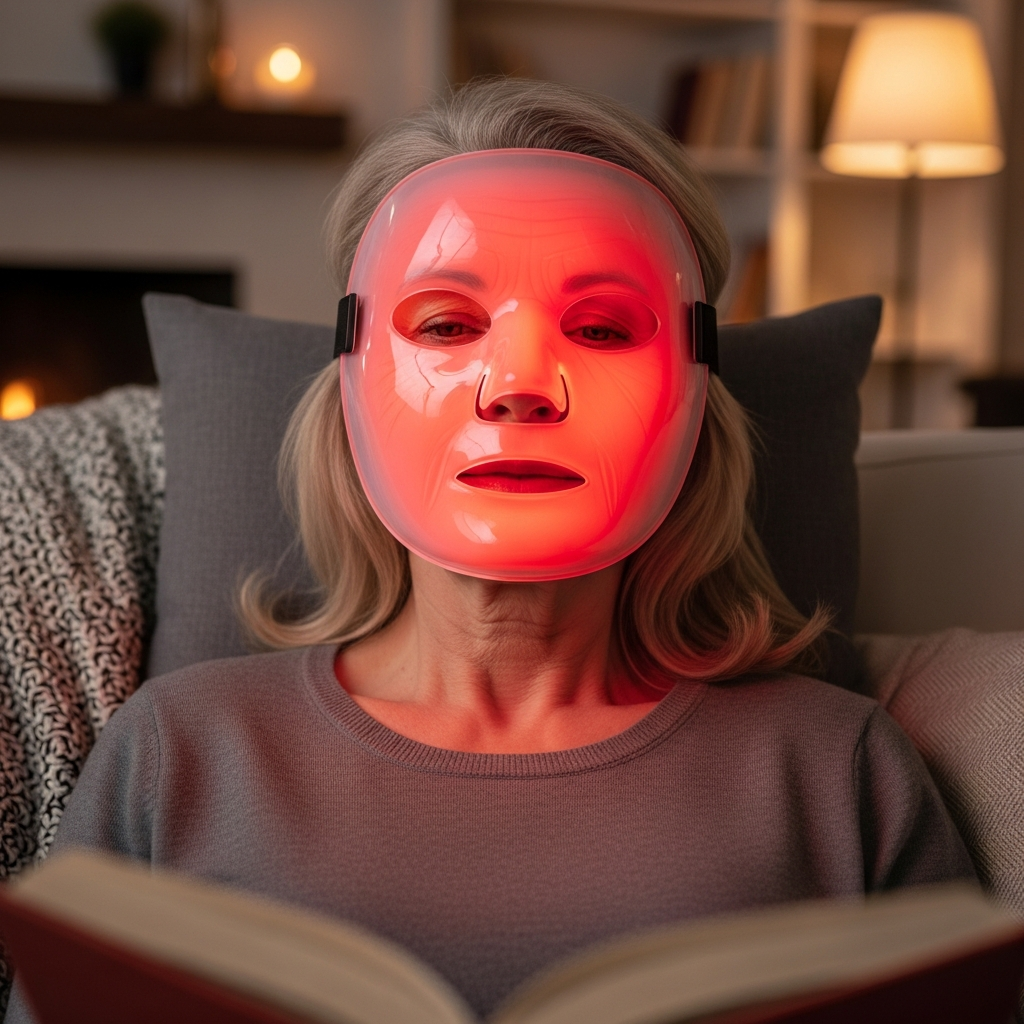
You know that moment when you’re scrolling through social media at 11 PM (don’t judge, we’ve all been there), and suddenly you’re hit with an ad for some futuristic-looking face mask that’s supposedly going to transform your skin overnight? The model’s glowing like she just stepped off a movie set, wearing what looks like Iron Man’s skincare routine, and you think… “Is this actually real, or am I about to fall for another too-good-to-be-true beauty gimmick?”
I get it. I’ve been there too – finger hovering over the “add to cart” button, wondering if I’m about to waste my money on the skincare equivalent of a pet rock. Because let’s face it, the beauty industry has trained us to be skeptical. We’ve seen miracle creams that promised to erase decades of sun damage in two weeks, serums that cost more than our monthly grocery budget, and devices that looked impressive but collected dust in our bathroom drawers.
But here’s the thing about red light therapy masks – they’re not exactly new. In fact, the technology behind them has been quietly making waves in dermatology offices and medical spas for years. NASA originally developed this light therapy (seriously, NASA!) to help heal wounds in space, and now it’s sitting pretty on your vanity, promising to tackle everything from fine lines to stubborn acne.
The problem? There’s so much conflicting information out there that trying to figure out what’s legit feels like solving a puzzle with half the pieces missing. One influencer swears her $300 mask erased ten years from her face. Another article warns about potential eye damage. Your cousin’s dermatologist says they’re worth it, but your skeptical friend thinks it’s all marketing hype.
And honestly… some of that skepticism is healthy. Not all red light therapy masks are created equal – trust me on this one. Some are basically fancy disco lights with a skincare label slapped on them. Others are legitimate medical-grade devices that can actually deliver the wavelengths of light your skin needs to start its natural repair process.
The science is actually pretty fascinating when you cut through the marketing fluff. These devices emit specific wavelengths of red and near-infrared light that can penetrate your skin and essentially give your cells a little energy boost. Think of it like… well, remember how plants need sunlight to photosynthesize? Your skin cells can use certain types of light energy too, just in a completely different way. It’s called photobiomodulation – fancy term, but the concept is surprisingly straightforward.
What’s not straightforward is figuring out which mask is worth your hard-earned money, how often you should actually use it (spoiler: probably not as much as you think), and whether those LED lights are going to interfere with your evening routine or turn you into a walking Christmas decoration.
That’s where the real questions come in – the ones that matter when you’re trying to decide if this is the right move for your skin, your budget, and your lifestyle. Questions like: Are the cheaper Amazon versions actually dangerous? Can you overdo it with light therapy? Will it actually help with those stubborn acne scars, or are you just going to end up looking like you raided a rave from 1999?
I’ve spent way too much time researching this stuff (occupational hazard of being genuinely curious about what works and what doesn’t), and I keep seeing the same questions pop up over and over again. Smart questions, actually – the kind that show people are thinking critically instead of just buying into the hype.
So let’s tackle the big ones together. The questions that actually matter when you’re standing in your bathroom, holding a device that looks like it belongs in a sci-fi movie, wondering if you’re about to become an early adopter of something revolutionary… or if you just spent your coffee money on a very expensive nightlight.
Because honestly? The answers might surprise you – in both good ways and ways that’ll save you from some pretty common (and expensive) mistakes.
What’s Actually Happening When You Strap On That Glowing Mask?
Picture this: you’re lying there looking like a character from a sci-fi movie, red lights beaming across your face. But here’s what’s actually going on beneath the surface – and honestly, it’s pretty wild when you think about it.
Red light therapy works kind of like photosynthesis for your skin cells. You know how plants use sunlight to make energy? Well, your cells have these tiny powerhouses called mitochondria (remember those from high school biology?) that can actually absorb specific wavelengths of light and convert them into cellular energy. It’s like giving your skin cells a really good cup of coffee.
The magic happens in the 660 to 850 nanometer range – that’s the sweet spot where red and near-infrared light can penetrate deep enough to actually do something useful. Anything shorter, like blue light, mostly bounces off. Anything much longer becomes heat instead of cellular fuel.
The Science That Actually Makes Sense
Now, I’ll be honest – when I first heard about this, I was skeptical. Light therapy for weight loss? It sounded like something you’d see in a late-night infomercial. But the research is… actually pretty compelling.
Here’s what we think is happening: when those specific light wavelengths hit your fat cells (adipocytes, if we’re being fancy), they seem to create tiny pores in the cell membrane. Picture a water balloon getting tiny pin pricks – the contents start to leak out. In this case, it’s stored fat in the form of triglycerides that gets released into your lymphatic system.
Your body then processes these released fats the way it normally would – through your liver, kidneys, and eventually… well, you breathe some of it out and eliminate the rest. It’s not magic fat disappearing into thin air, but more like convincing stubborn fat cells to finally clean out their storage units.
Why Red Light Instead of, Say, Green or Blue?
This is where it gets a bit technical, but bear with me. Different wavelengths penetrate to different depths – think of it like different radio frequencies reaching different distances. Blue light barely makes it past your skin’s surface. Green light goes a little deeper. But red light? That’s the Goldilocks zone that can actually reach your fat cells and muscle tissue.
Near-infrared light (which you can’t actually see) goes even deeper, potentially reaching several centimeters into tissue. That’s why many devices combine both visible red light around 660nm with near-infrared around 850nm – you’re essentially getting a one-two punch at different tissue depths.
The Collagen Connection (Because Who Doesn’t Want Better Skin?)
Here’s a bonus that honestly surprised me when I first learned about it. The same wavelengths that might help with fat reduction also seem to stimulate collagen production. It’s like your skin cells get the memo to start renovating – producing more collagen, increasing blood flow, and generally acting like they’re younger than they are.
This isn’t just vanity talking, either. Better circulation means better healing, and if you’re working on weight loss, having healthy, elastic skin that can adapt to changes is pretty important.
The Timing Factor (Patience, Grasshopper)
One thing that trips people up is expecting overnight results. This isn’t like a surgical procedure where you see immediate changes. Think of it more like… watering a garden. You’re creating conditions for change, but the actual growth happens gradually.
Most studies suggest you need consistent sessions over weeks or months to see meaningful results. We’re talking about gradually convincing cells to change their behavior, not forcing dramatic overnight transformations.
What We’re Still Figuring Out
Look, I’ll be the first to admit we don’t have all the answers yet. The research is promising, but we’re still learning about optimal dosing, timing, and exactly which wavelengths work best for different goals. Some people respond better than others – and honestly, we’re not entirely sure why yet.
What we do know is that red light therapy appears to be remarkably safe when used properly. No major side effects, no recovery time, no invasive procedures. For many people, that risk-to-benefit ratio looks pretty appealing, even if we’re still dotting some i’s and crossing some t’s on the research front.
Getting Started Without Breaking the Bank
Look, I get it – you’re probably staring at red light therapy masks online right now, and the price tags are… well, let’s just say they’re not exactly impulse-buy territory. But here’s the thing: you don’t need to start with the Ferrari of LED masks.
Begin with a device that has at least 660nm and 850nm wavelengths (that’s the sweet spot for skin benefits). You’ll see these numbers on the product specs – don’t let manufacturers fool you with vague “red light spectrum” claims. A decent starter mask runs about $150-300, and honestly? That’s often all you need.
Pro tip from our clinic: Check if the mask covers your entire face or just targeted areas. Those cute little handheld devices might look budget-friendly, but you’ll spend forever trying to treat your whole face. Trust me on this one.
The Setup Ritual That Actually Works
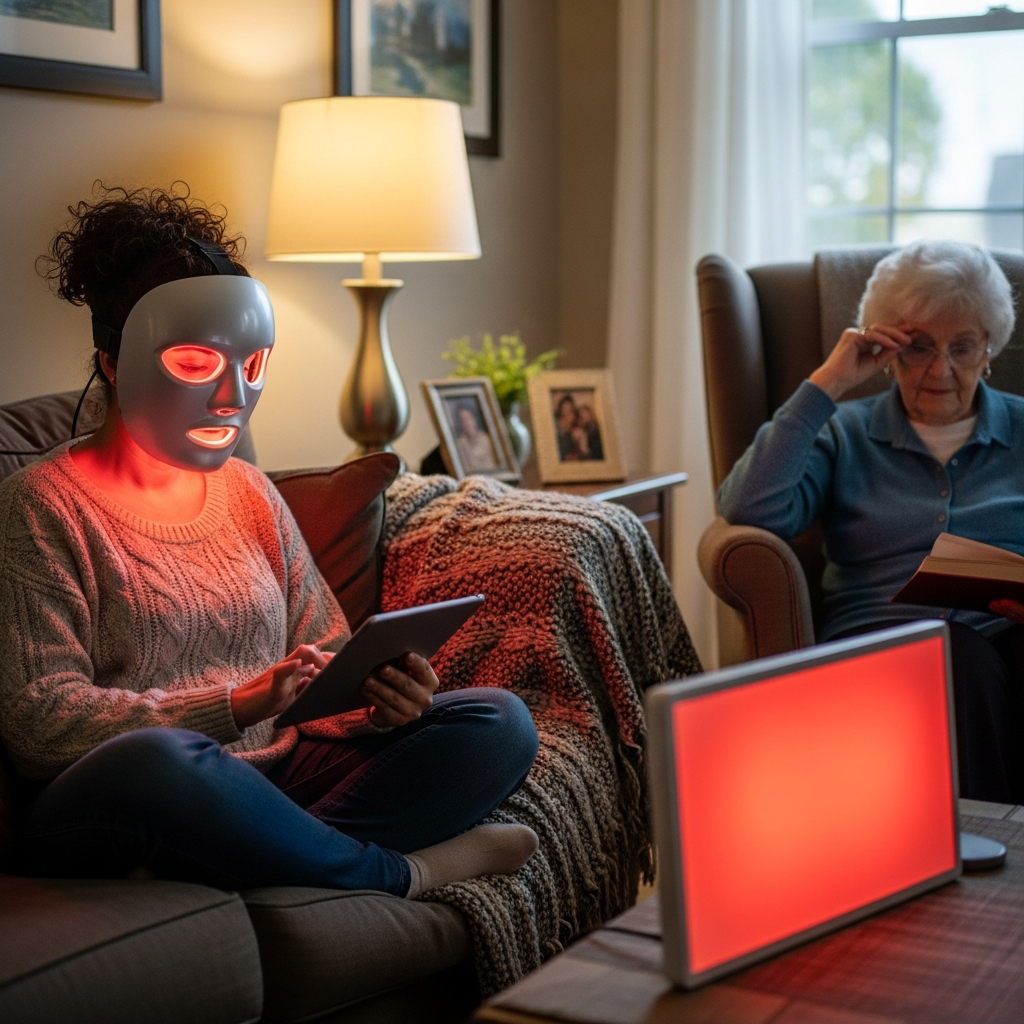
Your bathroom mirror isn’t your friend here. Seriously – you need to create a dedicated space where you can relax for 10-20 minutes without distractions. I’ve seen too many people try to multitask during sessions, holding their phone or watching TV, and then wonder why they’re not consistent.
Set up a comfortable chair (your bed works too), keep the mask within arm’s reach, and maybe play some calming music. Make it feel like a mini-spa moment, not another item on your to-do list.
And here’s something most people don’t think about: room temperature matters. If you’re shivering or sweating, you won’t stick with it. Keep your space comfortably cool – the mask will generate some warmth on its own.
Timing Secrets the Marketing Won’t Tell You
Everyone wants to know the “perfect” schedule, but here’s what we’ve learned from working with hundreds of clients: consistency beats intensity every single time.
Start with 3-4 sessions per week, 10-15 minutes each. Don’t go crazy thinking more is better – your skin needs time to actually use that light energy. It’s like exercise… you wouldn’t do bicep curls for three hours straight and expect better results, right?
The best time? About 30-60 minutes before bed. The red light can actually help with sleep (something about melatonin production – the science is pretty cool), and let’s face it, evening routines are easier to maintain than morning ones when you’re rushing out the door.
What to Expect (And When to Worry)
This might be the most important section, because unrealistic expectations kill more wellness routines than busy schedules do.
Week 1-2: Absolutely nothing dramatic. Maybe your skin feels slightly more… awake? That’s normal.
Week 3-4: You might notice your skin looks a bit more even, especially if you’ve been dealing with minor redness or irritation.
Month 2-3: This is usually when people start getting excited. Fine lines soften, skin texture improves, that general “glow” everyone talks about starts showing up.
But here’s when to pump the brakes and call a professional: if you experience increased breakouts that last more than a week, any unusual discoloration, or irritation that doesn’t go away. Sometimes people push through thinking it’s “detox” or “adjustment period.” Don’t do that.
The Integration Game-Changer
Want to know what separates the people who see amazing results from those who give up after a month? They integrate red light therapy into routines they already love.
If you’re a skincare person, do your red light session right after cleansing but before serums. The light can actually help products absorb better – it’s like giving your skin a little wake-up call.
If you meditate, combine them. The gentle warmth and soft red glow create this incredibly calming environment… it’s honestly become my favorite part of the day.
And if you’re someone who watches Netflix to unwind? Perfect. Just make sure the room lighting doesn’t interfere with the mask’s effectiveness.
The Reality Check You Need
Let me be completely honest: red light therapy isn’t magic. It won’t replace good nutrition, adequate sleep, or proper skincare basics. Think of it as the cherry on top of an already solid wellness routine, not the foundation.
Also, if you’re dealing with significant skin concerns – active acne, rosacea flares, or anything that makes you genuinely worried – start with a dermatologist visit. Red light therapy can be incredibly supportive, but it’s not a substitute for medical treatment when you really need it.
The people who love their results? They’re the ones who see it as a gentle, consistent addition to their self-care, not a miracle cure they’re desperately hoping will fix everything overnight.
When Your Mask Feels More Like a Torture Device
Look, let’s be real – strapping an LED contraption to your face for 20 minutes isn’t exactly what most of us would call “relaxing.” The first few times, you might feel like you’re preparing for some weird space mission. And that’s… completely normal.
The biggest hurdle? Staying still. Your brain starts doing that thing where it suddenly remembers seventeen urgent tasks the moment you can’t move. Here’s what actually works: set up your session during a time when you’d normally be scrolling your phone anyway. Put on a podcast, audiobook, or even just close your eyes and let your mind wander. Some people find meditation apps perfect for this – it’s like killing two wellness birds with one stone.
The heat can be another issue. Some masks get surprisingly warm, and if you’re already dealing with hormonal hot flashes or just run warm naturally, it can feel overwhelming. Try starting with shorter sessions – maybe 10 minutes instead of the full 20 – and gradually work up. Also, make sure the room is cool before you start. I know it sounds obvious, but you’d be surprised how many people forget this simple step.
The “Am I Doing This Right?” Spiral
Here’s something nobody talks about: red light therapy can trigger serious self-doubt. You’re sitting there, lights blinking on your face, wondering if you’re positioning it correctly, if the distance is right, if you’re somehow messing up what seems like a foolproof process.
The truth? You’re probably doing fine. Most masks are designed to be pretty forgiving. But if you’re the type who needs reassurance (and honestly, who isn’t?), take a photo of yourself wearing the mask properly positioned and keep it on your phone for reference. Sounds silly, but it works.
Distance anxiety is real too. Some people become obsessed with whether they’re holding handheld devices exactly the right number of inches away. Here’s the thing – a little variance won’t ruin everything. The manufacturers build in some wiggle room because they know we’re human, not robots.
When Life Gets in the Way
The consistency challenge hits everyone eventually. You start strong, using your mask religiously for two weeks, then life happens. Work gets crazy, kids get sick, your routine completely falls apart… and suddenly your expensive mask is collecting dust on the bathroom counter.
This is where you need to get honest about your actual schedule, not your aspirational one. Maybe daily sessions aren’t realistic for you right now – and that’s okay. Three times a week is still beneficial. Even twice a week beats the all-or-nothing approach that leads to complete abandonment.
Try linking your sessions to something you already do consistently. After your evening skincare routine, during your morning coffee, while dinner’s in the oven. The key is picking something that actually happens in your life, not something you wish happened.
The Expectation vs. Reality Gap
Social media doesn’t help here – you see these dramatic before-and-after photos and expect similar results in the same timeframe. But skin improvement isn’t like a software update that happens overnight.
Some people notice changes within a few weeks, others need months. Your skin’s starting point, age, overall health, stress levels, sleep quality – it all factors in. And here’s something that might surprise you: the changes often happen so gradually that you don’t notice them until someone else points them out or you compare photos from months ago.
Keep a simple photo log if you want to track progress, but don’t obsess over it. Take photos in the same lighting, at the same angle, once a week max. More frequent photos will just drive you crazy because day-to-day changes are minimal.
Making Peace with the Investment
Let’s address the elephant in the room – these devices aren’t cheap. That price tag can create pressure to see results, which ironically can make you less likely to notice the gradual improvements that are actually happening.
Think of it this way: if you were getting professional red light treatments, you’d probably pay $75-150 per session. A good mask pays for itself pretty quickly when you look at it that way. But if the financial stress is making you anxious about results, that stress itself can work against you.
The best mindset shift? View your sessions as self-care time, regardless of visible results. Even if the only benefit was 20 minutes of forced relaxation in your day, that’s still valuable.
What to Expect in Your First Month
Let’s be real here – you’re not going to wake up looking like you’ve had a professional facial after one session. Red light therapy is more like that friend who slowly helps you get your life together, not the one who promises overnight miracles.
Most people start noticing subtle changes around week 2 or 3. And I mean subtle – maybe your skin feels a bit softer, or that angry pimple heals faster than usual. It’s the kind of thing where you catch yourself in the mirror and think, “Hmm, something looks… better?”
By week 4, you might start getting those “have you been doing something different?” comments from people who can’t quite put their finger on it. Your skin tone might look more even, and those fine lines around your eyes? They’re probably not gone, but they might be playing a little nicer.
Here’s what’s completely normal during those first few weeks: some days your skin will look amazing, others… not so much. It’s like your skin is figuring out this whole red light thing. Don’t panic if you have a breakout or two – your skin is literally renewing itself at the cellular level, and sometimes that process gets a little messy before it gets clean.
The Long Game (Because That’s What Actually Matters)
After about 6-8 weeks of consistent use – and I can’t stress that word “consistent” enough – you’ll probably start seeing the changes that made you want to try this in the first place. Improved skin texture, reduced fine lines, maybe that stubborn acne scarring starting to fade.
But here’s the thing about red light therapy: it’s playing the long game with your skin. We’re talking about stimulating collagen production, which is basically like renovating your house from the foundation up. It takes time, and you can’t rush the process no matter how many extra sessions you squeeze in.
Some people see dramatic changes at the 3-month mark. Others need closer to 6 months. Your skin’s timeline depends on so many factors – your age, skin condition, lifestyle, genetics… it’s like asking how long it takes to get in shape. The answer is always “it depends.”
Setting Yourself Up for Success
Start with 3-4 sessions per week, about 10-20 minutes each. I know it’s tempting to go overboard (trust me, we’ve all been there), but more isn’t always better. Your skin needs time to process what’s happening between sessions.
Keep a simple log – nothing fancy, just note when you use it and any changes you notice. Sometimes improvements are so gradual we forget where we started. I’ve had clients who were convinced nothing was happening until they looked at photos from month one. The difference was… well, let’s just say they kept using their masks.
And please, for the love of all that’s good, don’t expect your mask to fix everything. If you’re still eating like garbage, not sleeping, and stressed to the max, no amount of red light is going to give you that Instagram glow. Think of your mask as one really good player on your skincare team, not the entire roster.
When to Reevaluate
If you’ve been consistent for 8-10 weeks and honestly can’t see any improvement, it might be time to adjust your approach. Maybe you need longer sessions, or perhaps your skin issues need a different type of intervention. That’s not failure – that’s just figuring out what works for your unique situation.
Some people find that combining red light therapy with other treatments (like vitamin C serums or gentle acids) amplifies the results. Others discover they need to address underlying issues first – hormonal imbalances, dietary triggers, that sort of thing.
The Bottom Line on Expectations
Red light therapy masks aren’t magic wands, but they’re not snake oil either. They’re more like that reliable friend who helps you look and feel better over time – not dramatic, just consistently good.
Will you get the results you’re hoping for? Probably, if you’re realistic about what those results look like and patient enough to let the process work. The key is showing up consistently and giving your skin the time it needs to respond.
Remember, good skin – like most good things in life – is built slowly, with patience and consistency. Your mask is just helping you along the way.
You know what? After diving into all these questions about red light therapy masks, I hope you’re feeling a bit more confident about whether this treatment might fit into your wellness routine. It’s funny how something that sounds so high-tech – light therapy! – can actually be pretty straightforward once you understand the basics.
The truth is, these masks aren’t magic bullets. They won’t transform your skin overnight or solve every concern you’ve been wrestling with. But for many people, they’ve become a reliable part of their self-care toolkit… kind of like that favorite moisturizer you reach for every night, except with a bit more science backing it up.
Finding What Works for Your Life
Here’s something I’ve learned from talking with countless patients over the years: the best wellness routine is the one you’ll actually stick with. Maybe red light therapy appeals to you because you can multitask – catch up on emails or watch Netflix while those LEDs do their thing. Or perhaps you’re drawn to the idea of doing something proactive for your skin health from the comfort of your own home.
Whatever your reasons, trust your instincts. You know your skin, your schedule, and your budget better than anyone else.
The Real Talk About Expectations
I’d be doing you a disservice if I didn’t mention this – results with red light therapy tend to be gradual. We’re talking weeks, not days. Some people notice subtle improvements in skin texture within a month, while others see the most dramatic changes after consistent use over several months. It’s a bit like strength training for your skin cells, if that makes sense.
And honestly? Sometimes the biggest benefit isn’t even what you expected. Maybe you started using a mask hoping to minimize fine lines, but found that your skin just feels… healthier. More resilient. That’s valuable too.
You Don’t Have to Figure This Out Alone
Look, I get it. Sifting through all the wellness options out there can feel overwhelming. One day you’re reading about collagen supplements, the next you’re trying to decode LED wavelengths. It’s a lot.
That’s exactly why our team is here – not to push any particular treatment, but to help you make sense of what might actually work for your unique situation. We’ve seen what works, what doesn’t, and what falls somewhere in between. More importantly, we understand that your wellness goals aren’t just about looking good (though that’s nice too) – they’re about feeling confident and comfortable in your own skin.
If you’re curious about red light therapy or just want to talk through your skincare concerns with someone who gets it, don’t hesitate to reach out. We can chat about whether this treatment makes sense for you, or explore other options that might be a better fit. No pressure, no sales pitch – just honest conversation about what might help you feel your best.
Because here’s the thing: you deserve to have someone in your corner who understands both the science and the very human desire to feel good about yourself. That’s what we’re here for.