How Red Light Therapy Masks Fit Into a Skincare Routine
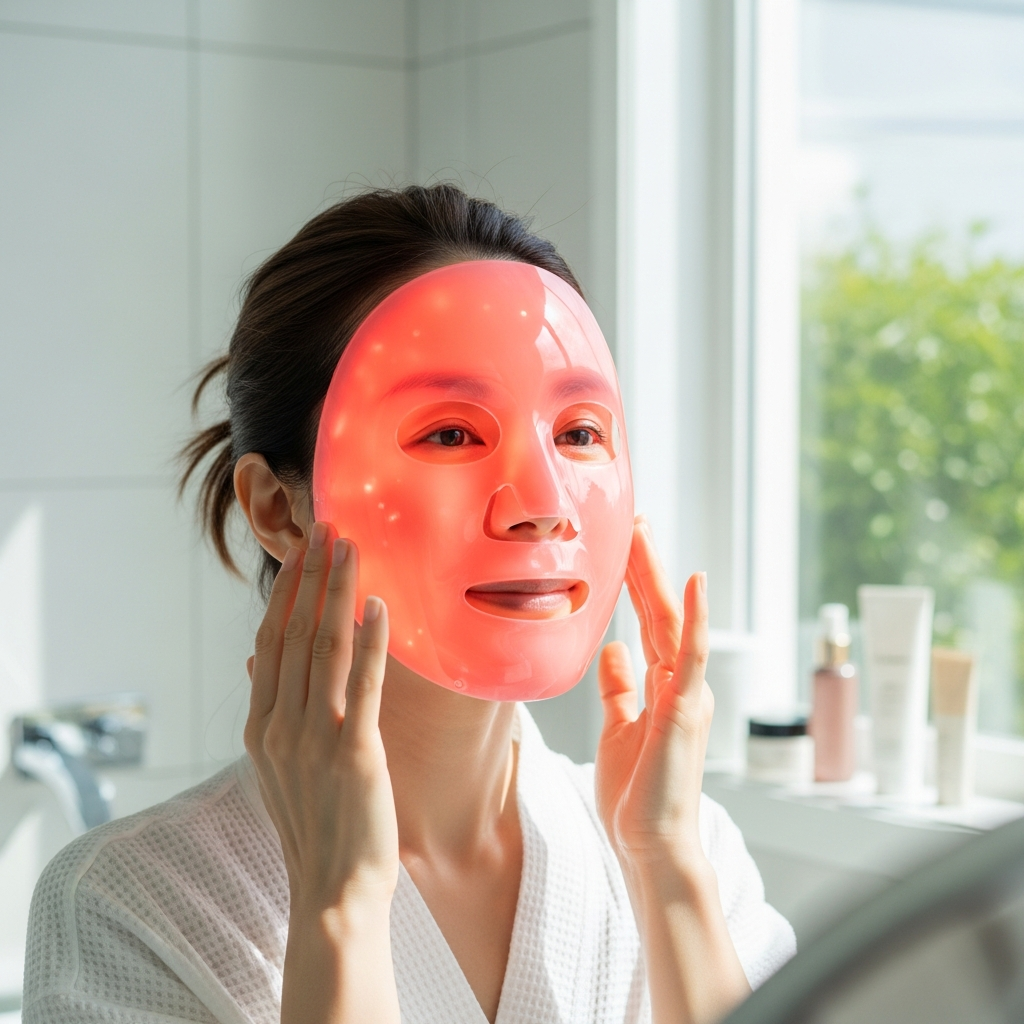
You’re standing in your bathroom at 6 AM, squinting at your reflection under those brutally honest overhead lights. There it is again – that dullness that seems to have crept in overnight, those fine lines that weren’t there last month (or were they?), and skin that just looks… tired. You’ve got your serums lined up like little soldiers, your moisturizer at the ready, but lately it feels like you’re fighting an uphill battle.
Sound familiar?
Here’s the thing – you’re not imagining it. Our skin really does go through phases, and sometimes our usual routine starts feeling like we’re bringing a butter knife to a sword fight. Maybe you’ve been hearing whispers about red light therapy masks in your Instagram feed or spotted one on your favorite influencer’s “night routine” video. But honestly? It probably seemed like just another expensive gadget promising miracles.
I get it. The skincare world is exhausting sometimes. There’s always something new, something “revolutionary,” something that’ll supposedly transform your skin overnight. You’ve probably been burned before – literally, in my case, by that retinol I jumped into too quickly without reading the fine print. We’ve all been there.
But here’s where red light therapy is different, and why I’m genuinely excited to talk about it with you. This isn’t some fly-by-night trend that’ll disappear faster than your favorite lip balm (seriously, where do those things go?). Red light therapy has actual science behind it – the kind that makes dermatologists perk up and take notes.
Think of your skin cells like tiny little batteries that sometimes run low. Red light therapy? It’s basically a charging station. The specific wavelengths of light – we’re talking about the 630 to 850 nanometer range, if you want to get technical – actually penetrate your skin and give your cells’ powerhouses, the mitochondria, a gentle boost. It’s like upgrading from regular coffee to that really good stuff that actually wakes you up.
But – and this is crucial – you can’t just slap on a red light mask whenever you feel like it and call it a day. Your skincare routine is like a carefully choreographed dance, and every new addition needs to find its place in the rhythm. Use it wrong, and you might not see results. Use it right, though, and you might just find yourself doing that thing where you catch your reflection and think, “Hey, not bad.”
The tricky part isn’t really whether red light therapy works (spoiler alert: it does, when used properly). The real question is how to weave it into your existing routine without turning your bathroom counter into a science lab or your evening wind-down into a two-hour production. Because let’s be honest – if it’s complicated, we’re probably not going to stick with it.
That’s exactly what we’re going to figure out together. I want to walk you through the real deal – not the glossy marketing promises, but the actual nuts and bolts of making this work in your real life. We’ll talk about timing (because yes, when you use it matters), what plays nice with red light therapy and what doesn’t (some ingredients are surprisingly picky), and how to tell if it’s actually working for you.
You’ll learn why your beloved vitamin C serum might need to find a new time slot, how to layer everything without creating a chemical soup on your face, and honestly? Some realistic expectations about what you’ll see and when. Because while red light therapy can be genuinely transformative – I’ve seen it happen – it’s not magic. It’s just really good science.
By the time we’re done, you’ll know exactly how to slot a red light mask into your routine like it was always meant to be there. No guesswork, no conflicting advice from random internet strangers, just a clear plan that actually works with your life.
Ready to make sense of it all?
What’s Actually Happening When You Glow
Think of your skin cells like tiny little workers in a factory that’s been running on dim lighting for way too long. Red light therapy is basically flipping on the high-quality LED work lights – suddenly, everything runs more efficiently.
The science here is actually pretty wild (and honestly, when I first learned about it, I thought it sounded like something from a sci-fi movie). Your skin cells have these microscopic powerhouses called mitochondria – you probably remember them from high school biology as “the powerhouse of the cell.” Well, they weren’t kidding around with that nickname.
When specific wavelengths of red and near-infrared light hit these mitochondria, something called photobiomodulation happens. I know, I know… that’s a mouthful. But stick with me here – it’s basically like giving your cells a really good cup of coffee. The light energy gets absorbed and converted into cellular energy, which means your skin can repair itself faster, produce more collagen, and generally get its act together.
The Sweet Spot of Light
Not all red light is created equal, which is where things get a bit tricky. We’re talking about very specific wavelengths – typically between 660 and 850 nanometers. Think of it like tuning a radio… you need to hit the exact frequency to get clear reception.
Most at-home masks focus on the 660nm range (that classic red glow you see) because it’s particularly good at stimulating collagen production and reducing inflammation. Some fancier devices throw in 850nm near-infrared light too, which penetrates deeper – though honestly, you can’t see that wavelength, so your mask might be working harder than it looks.
The thing is, your skin can only absorb so much light energy at once. It’s not like a tan where more exposure equals more results. Actually, it’s more like watering a plant – the right amount helps it flourish, but too much and you’re just making a mess.
Why Your Skin Actually Cares
Here’s what gets me excited about this whole thing – we’re not just talking about superficial changes. When your cellular energy production ramps up, a cascade of good stuff starts happening. Collagen synthesis increases (that’s your skin’s scaffolding getting stronger). Blood circulation improves, which means better delivery of nutrients and faster removal of waste products.
Inflammation starts to calm down too, which is huge if you’re dealing with acne, rosacea, or just general skin irritation. It’s like having a really good mediator step into a chaotic situation and help everyone chill out.
But here’s something that confused me for the longest time – the results aren’t immediate. Unlike a good moisturizer that makes your skin feel better right away, red light therapy is more of a slow burn. Your cells need time to actually make more energy, produce new collagen, and repair damage. We’re talking weeks, not days… which can be frustrating when you’re eager to see changes.
The Mask Factor
So why masks specifically? Well, you could get red light therapy at a dermatologist’s office or a spa, but we’re talking about serious money and time commitments. At-home masks give you that convenience factor – though obviously with less intensity than professional treatments.
The trade-off is pretty straightforward: professional devices are more powerful and potentially more effective, but at-home masks let you be consistent without breaking the bank or rearranging your schedule. And consistency? That’s actually the secret sauce here.
Most masks deliver anywhere from 10-40 milliwatts per square centimeter of light energy. To put that in perspective, professional devices might deliver 100+ milliwatts. But here’s the thing – if you can use your at-home mask several times a week versus getting professional treatments once a month… well, sometimes steady wins the race.
The key is understanding that you’re not getting spa-level intensity, but you’re getting spa-level convenience. And for a lot of people (myself included), that convenience factor is what makes the difference between actually sticking with a routine and letting an expensive device collect dust on the bathroom counter.
Think of it like the difference between going to the gym versus doing workouts at home. Sure, the gym has better equipment, but if working out at home means you’ll actually do it consistently…
When to Actually Use Your Red Light Mask (Timing Matters More Than You Think)
Here’s something most people get wrong right off the bat – they think red light therapy is like slapping on a face mask whenever they remember. Not quite. Your skin has its own daily rhythm, and if you want real results, you’ve got to work with it, not against it.
Morning sessions work best for most people. I know, I know – mornings are already crazy enough. But here’s the thing: your skin is naturally primed for repair and renewal in those early hours. Plus, red light therapy can actually give you a subtle energy boost (think of it as coffee for your face), which beats the sluggish feeling some people get from evening sessions.
That said, if you’re someone who does their serious skincare routine at night – you know, the whole nine yards with serums and treatments – evening might be your sweet spot. Just finish with the red light session, not start with it.
The Order That Actually Works (Skip the Guesswork)
This is where people usually mess up their entire routine. You’ve invested in good products, maybe even splurged on that vitamin C serum everyone’s raving about… and then you wonder why nothing seems to work together.
Start with the cleanest slate possible. Double cleanse if you’re wearing makeup or sunscreen – and honestly, you should be wearing sunscreen. Then comes your red light session on completely clean, dry skin. Think of it this way: you want those light wavelengths hitting your skin directly, not bouncing off layers of product.
After your 10-20 minute session (and yes, more isn’t always better – your skin can only absorb so much), wait about 5 minutes. Let your skin settle. Then apply your serums, starting with the thinnest consistency and working up to thicker creams.
Here’s a little secret though – some dermatologists are finding that certain serums actually work *better* after red light therapy. Something about the increased circulation and cellular activity… it’s like your skin becomes more receptive to ingredients.
What Products Love Red Light (And What Doesn’t Play Nice)
Not all skincare ingredients are created equal when it comes to red light therapy. Some are absolute power couples, while others… well, let’s just say they’re better as friends.
The dream team includes: – Hyaluronic acid (it’s like giving your newly energized skin a tall drink of water) – Peptides (they work even better when your collagen production is already ramped up) – Niacinamide (plays well with literally everything) – Basic moisturizers with ceramides
The ones to separate: Retinoids and red light therapy shouldn’t happen on the same day, especially when you’re starting out. Both are working to increase cell turnover, and together they might be too much of a good thing. Use retinoids on your “off” days or alternate weeks.
Vitamin C is trickier. Some people swear by using it right after red light therapy, claiming it boosts the antioxidant benefits. Others find it irritating. Start slowly if you want to try this combo.
The Reality Check Nobody Talks About
Let’s be honest for a minute – red light therapy isn’t going to transform your skin overnight. I’ve seen people get frustrated after two weeks, wondering where their miracle results are. But here’s what actually happens…
Week 1-2: You might notice your skin looks a bit more “awake” after sessions. Maybe slightly less puffy in the mornings.
Week 4-6: This is when things get interesting. Fine lines might start looking softer, and that overall skin texture begins to improve.
Month 3 and beyond: The real magic happens here. Consistent users often see improvements in skin firmness, reduction in larger wrinkles, and that healthy glow everyone’s chasing.
The key word here? Consistent. Three times a week, every week, for months. Not every day for two weeks, then forgetting about it for a month.
Making It Actually Stick in Your Life
Here’s my practical advice after watching hundreds of people try to incorporate this into their routines: don’t overthink it, but do plan for it.
Pick three days a week that actually work for your schedule. Maybe it’s Monday, Wednesday, Friday mornings while your coffee brews. Or Sunday, Tuesday, Thursday evenings while you’re watching Netflix. The specific days matter less than the consistency.
Set up your space so it’s effortless. Keep your mask charged, have a comfortable spot picked out, maybe prep your post-session products the night before. Remove as much friction as possible from the process.
And here’s something that really helps – track how your skin feels, not just how it looks. Take photos, sure, but also notice things like how smooth your skin feels when you’re applying moisturizer, or whether your makeup goes on more easily. Sometimes the changes are subtle but meaningful.
When Red Light Therapy Feels Like Another Chore
Let’s be honest – adding anything new to your routine can feel overwhelming, especially when you’re already trying to manage your weight, stress levels, and everything else life throws at you. Red light therapy masks? They’re amazing, but they can also feel like one more thing on your already packed to-do list.
I’ve heard this so many times: “I bought the mask, used it for a week, and then it’s been sitting on my bathroom counter for three months.” Sound familiar? You’re not broken or lazy – you’re human. The trick isn’t finding more time (spoiler alert: there isn’t any). It’s about making the mask work with your life, not against it.
Try pairing it with something you already do religiously. Morning coffee? That’s 20 minutes right there. Evening Netflix binge? Perfect. The mask doesn’t care if you’re watching reality TV or meditating… though honestly, it might actually help you relax enough to enjoy both more.
The Timing Tango (And Why It’s Trickier Than It Seems)
Here’s where things get messy – and I mean that literally. You’ve got your morning routine down to a science, then suddenly you need to figure out where a 15-20 minute light session fits in. Do you cleanse first? After? What about all those other products you’ve been using?
The sweet spot for most people is post-cleanse, pre-everything-else. Think of your freshly cleaned skin like a clean canvas – the red light can actually penetrate better without layers of products in the way. But here’s the thing that trips everyone up: what about your morning moisturizer with SPF?
Actually, that works perfectly. Use your mask on clean skin, then follow with your regular morning routine. The red light might even help your other products absorb better… though honestly, the research on that is still catching up to what we’re seeing in practice.
Evening routine? Even simpler. Cleanse, mask, then your usual nighttime products. Your serums and moisturizers can do their thing while you sleep, and your skin gets the full benefit of both the light therapy and whatever else you’re using.
When Your Mask Becomes Expensive Bathroom Decor
We need to talk about the elephant in the room – consistency. It’s the thing that makes or breaks any skincare routine, and somehow it feels ten times harder with devices than with products. Maybe because that little bottle of serum doesn’t stare at you quite as accusingly as an unused $200 mask.
The solution isn’t willpower (trust me, I’ve tried that approach). It’s systems. Put the mask somewhere you literally can’t ignore it. Next to your toothbrush. On top of your coffee maker. In front of your TV remote. Sounds ridiculous? Maybe. But it works.
Set a phone alarm, but here’s the twist – don’t just set it for “red light therapy time.” Make it more specific. “Coffee and glow time” or “Netflix and light therapy.” Your brain responds better to combined activities than isolated tasks.
And please, please don’t aim for perfection. Five times a week is better than seven times for two weeks followed by nothing. This isn’t a sprint – it’s more like… well, it’s like building any healthy habit. Some days you’ll nail it, some days you won’t. The magic happens in the consistency over time, not the perfection in the moment.
The Great Expectation Game
Here’s what nobody tells you about red light therapy – the results sneak up on you. It’s not like a face mask where you see immediate plumpness, or a strong exfoliant that gives you baby-smooth skin overnight. Red light therapy is playing the long game, working at a cellular level that you can’t see happening.
This is where a lot of people give up. Week three rolls around, they don’t see dramatic changes, and suddenly that mask feels like expensive buyer’s remorse.
Take progress photos. I know, I know – nobody wants to take unflattering close-ups of their skin. But trust me on this one. The changes are often so gradual that you won’t notice them day-to-day. But compare week one to week eight? That’s where you’ll see the difference.
Also, pay attention to how your skin *feels* – not just how it looks. Better texture, less sensitivity, makeup going on more smoothly… these are all signs that things are working, even before the visual changes catch up.
Setting Realistic Expectations – Because Nobody Likes Skincare Disappointment
Let’s be honest here – if you’re expecting to wake up tomorrow morning looking like you’ve had a professional facial after your first red light session… well, that’s just not how skin works. I wish it did! But your skin cells operate on their own timeline, and they’re not exactly known for rushing things.
Most people start noticing subtle changes around the 4-6 week mark. And I mean *subtle* – maybe your skin feels a bit smoother when you wash your face, or that one stubborn spot seems less angry. The dramatic before-and-after photos you see online? Those usually happen after 8-12 weeks of consistent use. Actually, that reminds me of something important…
The biggest mistake I see people make is giving up at week 3. Right when their skin is just starting to respond at the cellular level, they decide it’s not working. It’s like planting a garden and digging up the seeds after a few days because you don’t see sprouts yet.
What “Normal” Actually Looks Like Week by Week
The first two weeks might feel like… nothing. Your skin isn’t going to throw you a party or send you a thank-you note. Some people even experience minor breakouts (which can be totally normal as your skin adjusts). Don’t panic – this isn’t your cue to abandon ship.
Around week 3-4, you might catch yourself thinking, “Hm, my skin looks… different?” You probably won’t be able to put your finger on it exactly. Maybe your complexion seems a bit more even, or your skin feels plumper when you apply your moisturizer.
By weeks 6-8, if you’re consistent (and that’s a big if), you should start seeing more noticeable improvements. Fine lines might look softer, your skin texture could be smoother, and people might start asking if you’re using a new foundation. That’s when you know you’re on the right track.
Building Your Red Light Routine – Start Small, Think Long-term
Here’s what I tell everyone starting out: begin with 3-4 sessions per week, 10-15 minutes each. That’s it. Don’t go crazy thinking more is better – your skin needs time to process and repair between sessions.
Most masks come with those handy little eye protection goggles, and yes, you absolutely should use them. I know they make you look like you’re about to perform surgery on yourself, but your retinas will thank you later.
Timing-wise, I’m a fan of evening sessions. Your skin does most of its repair work while you sleep anyway, so why not give it some extra ammunition? Plus, if you end up with any temporary redness (which sometimes happens), it’ll fade while you’re dreaming.
The Integration Game – Making It Actually Stick
The truth is, adding another step to your routine can feel overwhelming when you’re already juggling cleanser, serum, moisturizer, and whatever else is currently living on your bathroom counter. The key is making it feel natural, not like homework.
Some people love their red light sessions as “me time” – they’ll put on a podcast, do some deep breathing, maybe even meditate. Others (like me, honestly) use it as an excuse to scroll their phone guilt-free for 15 minutes. Both approaches work fine.
What About the Rest of Your Products?
Here’s where things get interesting. You don’t need to overhaul your entire routine, but timing matters. I generally recommend using your red light mask on clean skin – so after cleansing but before your serums and moisturizers.
Some people worry about mixing red light with their retinol or vitamin C… and honestly, there’s not enough research to give you a definitive answer. If you’re using strong actives, maybe alternate nights? Or check with your dermatologist if you’re concerned. Better safe than sorry.
When to Reassess
Give yourself a solid 12 weeks before deciding if red light therapy is worth continuing. Take photos (same lighting, same angle) every few weeks – our memories are notoriously unreliable when it comes to gradual changes.
And remember, consistency beats intensity every single time. Three sessions a week for three months will beat daily sessions for three weeks, then giving up. Your skin is in this for the long haul – and hopefully, so are you.
You know what? After diving deep into all the science and specifics, I keep coming back to one simple truth – your skin tells the story of your life. Every laugh line, every stress breakout, every moment you forgot sunscreen… it’s all written there. And honestly? That’s not something to fight against.
But here’s the thing about red light therapy masks – they’re not trying to erase your story. They’re more like that friend who gently reminds you to drink more water and get enough sleep. They work quietly, consistently, supporting your skin’s natural healing processes without demanding you completely overhaul your life.
Think of adding a red light mask to your routine like finally buying that good mattress you’ve been putting off. You don’t realize how much better you could feel until you make the investment. The mask becomes this quiet, reliable part of your evening – maybe while you’re catching up on your favorite show or listening to that podcast everyone’s been recommending.
What I love most about this approach is how forgiving it is. Miss a day? Your skin won’t revolt. Traveling for work? Your regular routine picks up right where you left off. It’s not another thing to feel guilty about – it’s actually kind of the opposite.
And let’s be real for a second… we’re all trying to age gracefully while juggling everything else life throws at us. Work deadlines, family responsibilities, that never-ending mental load we carry. The last thing you need is a skincare routine that feels like another job.
The beauty of red light therapy is that it works with whatever else you’re already doing. Those retinoids you’ve been using? They might work even better. That vitamin C serum you swear by? Perfect companions. It’s like having a really good foundation – everything else just sits better on top.
I’ve watched so many people transform not just their skin, but their relationship with self-care through small, consistent changes. Sometimes it starts with something as simple as giving yourself those 10-15 minutes of red light time each evening. Before you know it, you’re sleeping better, drinking more water, maybe even taking those walks you keep promising yourself.
Here’s what I want you to remember – you don’t have to figure this out alone. Whether you’re wondering if red light therapy is right for your specific skin concerns, trying to navigate which products play well together, or just feeling overwhelmed by all the conflicting advice out there… we’re here.
Our team has helped countless people find their sweet spot with skincare routines that actually work for their real lives. Not Instagram-perfect lives, but the messy, beautiful, complicated reality of being human. We get it, and we’ve got your back.
If you’re curious about how red light therapy might fit into your world – or if you just need someone to help you sort through the noise and find what actually works – reach out. Sometimes the best investment you can make is in getting personalized guidance from people who genuinely want to see you succeed.
Your skin is worth the attention. And so are you.