Red Light Mask Benefits for Acne and Breakouts
You know that feeling when you’re getting ready for something important – maybe a date, a job interview, or just a regular Tuesday when you want to feel good about yourself – and you catch your reflection in the bathroom mirror? There it is. A bright red mountain has erupted on your chin overnight, like your skin decided to throw its own little rebellion party while you were sleeping.
And suddenly you’re seventeen again, even if you’re thirty-seven. You’re doing that thing where you lean closer to the mirror, squinting, maybe poking at it (don’t do that, we both know better), wondering how something so small can feel so… big.
Here’s what nobody talks about: adult acne hits different than teenage breakouts. Back then, at least everyone else was dealing with it too. Now? You’re sitting in a meeting trying to project confidence while secretly wondering if everyone’s staring at that cluster of whiteheads on your forehead. It’s like your skin missed the memo that you’re supposed to have this whole “adult” thing figured out by now.
I’ve been there. We’ve all been there – standing in the skincare aisle at Target, overwhelmed by promises of “miracle cures” and “overnight transformations,” spending way too much money on products that either do absolutely nothing or somehow make everything worse. It’s exhausting, honestly. The trial and error, the hope followed by disappointment, the way your skin seems to have its own mysterious agenda that has nothing to do with your careful routines.
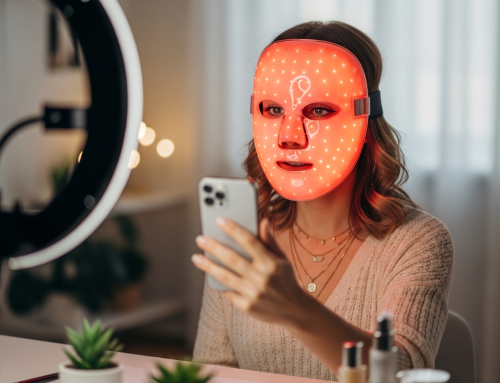
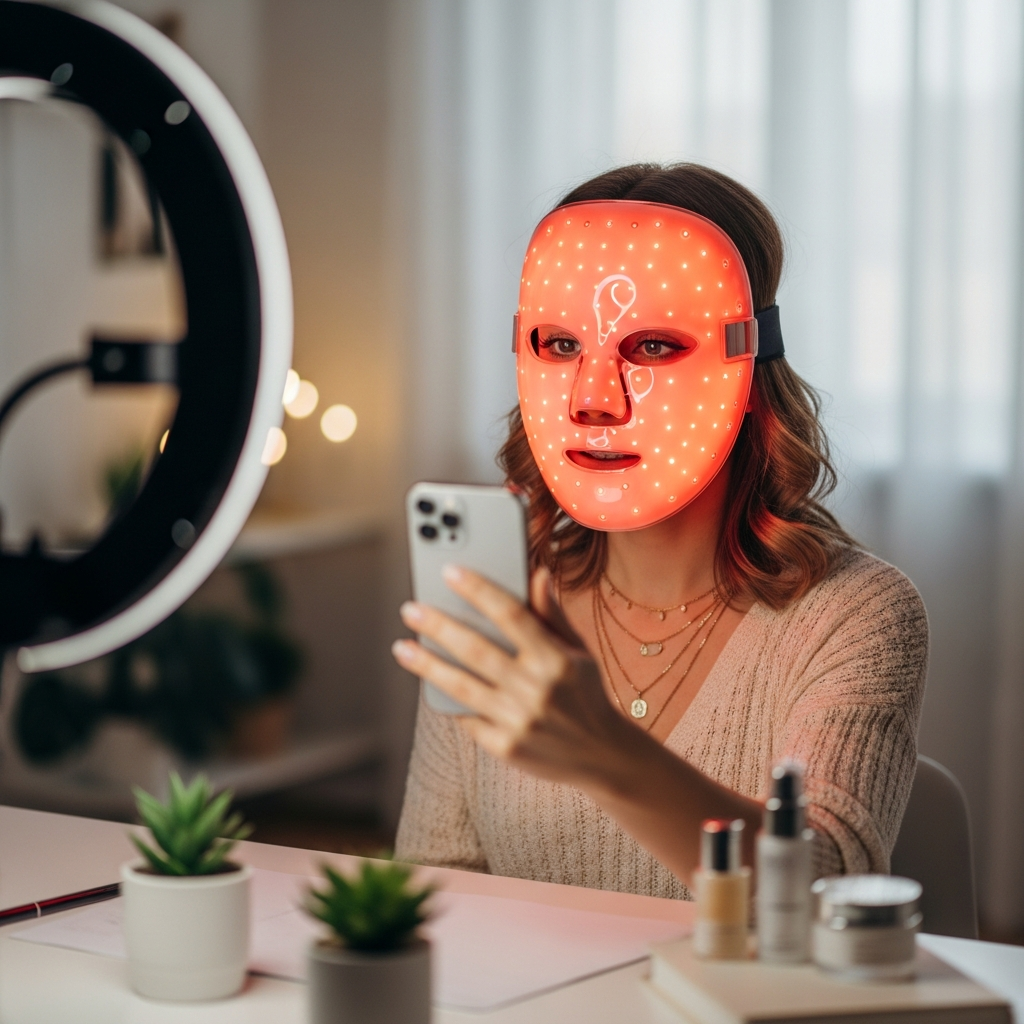
But here’s something interesting that’s been happening lately… you might have noticed those red light devices popping up everywhere. Maybe you’ve seen them on social media – people wearing what looks like a futuristic face mask, glowing like they’re about to beam up to the mothership. Or perhaps you’ve walked past one of those fancy skincare clinics and wondered what all those red lights are about.
The thing is, red light therapy isn’t actually new – it’s been used in medical settings for decades. But only recently has the technology become accessible enough (and affordable enough) for us regular humans to try at home. And the science behind it? Actually pretty fascinating.
See, your skin cells are basically tiny factories, constantly working to repair damage, fight bacteria, and keep everything functioning smoothly. But when those factories are overwhelmed – whether by hormones, stress, environmental factors, or just the general chaos of modern life – they start falling behind. Breakouts happen when this whole system gets backed up.
Red light therapy works by giving those cellular factories a boost. Think of it like… you know when your phone battery is dying and you plug it into a fast charger? Red light does something similar for your skin cells, helping them work more efficiently. It reduces inflammation (goodbye, angry red bumps), kills acne-causing bacteria, and speeds up healing. No harsh chemicals, no drying out your skin until it feels like sandpaper, no weird purging periods where you look worse before you look better.
The best part? You can literally do it while watching Netflix. Twenty minutes of glowing red light while you catch up on your shows – hardly feels like a chore, right?
Now, I’m not going to sit here and tell you that red light masks are magic bullets. They’re not. Nothing is, despite what Instagram ads might suggest. But what I am going to share with you is the real deal on how these devices actually work, what the research says (spoiler: it’s pretty encouraging), and how to figure out if this might be worth trying for your particular skin situation.
We’ll talk about the different types of devices – because not all red light masks are created equal – and I’ll walk you through what to expect if you decide to give it a shot. Plus, we’ll cover the practical stuff: how often to use them, what to combine them with (and what to avoid), and how to spot the difference between legit devices and overpriced light-up toys.
Your skin deserves better than the guessing game you’ve been playing. Let’s figure out if red light therapy might be the consistent, science-backed approach you’ve been looking for.
What’s Actually Happening When Red Light Hits Your Skin
Think of red light therapy like sending your skin a very specific text message – one that only certain parts of your cells know how to read. The wavelengths we’re talking about (typically 630-700 nanometers, if you’re into the nitty-gritty) penetrate just deep enough to reach where the real action happens.
Your skin cells contain these tiny powerhouses called mitochondria – basically the batteries that keep everything running. When red light hits them, it’s like plugging your phone into a charger, except instead of getting more battery life, your cells start producing energy more efficiently. More energy means better healing, faster repair work, and… well, clearer skin.
But here’s where it gets interesting – and honestly, a bit weird. You’d think blasting light at inflamed, angry acne would make things worse, right? It’s counterintuitive, like putting ice on a burn (which actually works, by the way). The magic is in the wavelength and intensity. We’re not talking about harsh, heating light that damages tissue. This is more like a gentle cellular wake-up call.
Why Acne Happens (The Quick Version)
Before we get too deep into how red light helps, let’s talk about what we’re actually fighting. Acne isn’t just “dirty skin” – that old myth needs to die already. It’s actually a perfect storm of four main culprits working together like the world’s most annoying team project.
First, your pores get clogged with dead skin cells that should’ve moved along but decided to stick around instead. Then your skin produces more oil than it knows what to do with – thanks, hormones. Add some bacteria (specifically *P. acnes*, the troublemaker of the bunch) that love nothing more than a cozy, oily environment. Finally, inflammation kicks in because your immune system notices something’s not right and decides to throw a tantrum.
It’s like having a sink that’s backing up, the garbage disposal is broken, someone left food scraps everywhere, and now the whole kitchen smells. Everything builds on everything else.
The Science Behind the Glow
Here’s where red light therapy gets clever – it doesn’t just attack one part of the acne problem. It’s more like having a really good cleaning crew that knows exactly what needs attention.
The red light wavelengths can actually reduce the bacteria count on your skin. Not by burning them away (that would be… problematic), but by creating an environment where they can’t thrive as easily. Think of it like changing the pH of a swimming pool – suddenly the algae can’t grow.
But wait, there’s more. (Sorry, couldn’t resist the infomercial moment.) The light also helps calm down that inflammation response we mentioned. You know how a sprained ankle gets all puffy and red? Your skin does something similar with breakouts, except it’s microscopic and happening in your pores. Red light seems to tell your immune system, “Hey, maybe dial it back a notch?”
The Healing Acceleration Effect
This might be the most exciting part – red light therapy appears to speed up your skin’s natural repair process. Remember those mitochondria we talked about? When they’re working more efficiently, your skin cells can replace themselves faster, shed dead skin more effectively, and generally keep things moving along.
It’s like having a really efficient mail sorting system instead of a pile of letters sitting on someone’s desk for weeks. Everything flows better.
Now, I’ll be honest – the research is still catching up to the hype in some areas. We know red light therapy works for wound healing (that’s been studied extensively), and we’re seeing promising results for acne treatment. But we’re still figuring out optimal treatment times, frequencies, and whether certain skin types respond better than others.
The Wavelength Sweet Spot
Not all red light is created equal – this isn’t like shining a red Christmas light on your face and hoping for the best. The therapeutic wavelengths sit in a very specific range, kind of like how your radio needs to be tuned to exactly the right frequency to pick up your favorite station.
Too short, and the light doesn’t penetrate deeply enough. Too long, and you’re getting into infrared territory, which does different things entirely (mostly heating). The sweet spot for acne treatment seems to be around that 630-700 nanometer range, though some devices combine multiple wavelengths for what manufacturers claim are better results.
Getting Your Timing Right (Because It Actually Matters)
Here’s something most people don’t realize – your skin is actually more receptive to red light therapy at certain times of day. I’ve noticed my clients get better results when they use their masks in the evening, about an hour before bed. Your skin goes into repair mode overnight anyway, so you’re basically giving it a head start.
Start with just 10 minutes, three times a week. I know, I know – you want to see results yesterday and you’re tempted to go all-in with daily 20-minute sessions. But here’s the thing… your skin needs time to respond. Think of it like working out – you wouldn’t hit the gym for three hours on day one, right?
After two weeks, if your skin’s handling it well (no increased redness or irritation), bump it up to every other day. Some people can eventually do daily treatments, but honestly? Most of my clients see their best results sticking with the every-other-day routine long-term.
The Pre-Treatment Ritual That Changes Everything
This part is crucial, and most instructions completely skip over it. You need to start with completely clean skin – but not the squeaky-clean kind that leaves your face feeling tight. That actually works against you.
Use a gentle, pH-balanced cleanser (nothing with salicylic acid or benzoyl peroxide right before treatment – save those for non-red light days). Pat dry – don’t rub. Your skin should be clean but not stripped of every last bit of natural oil.
Here’s a pro tip I learned from a dermatologist friend: if you have active breakouts, dab a tiny bit of hyaluronic acid serum on just those spots before your treatment. The light penetrates better through slightly hydrated skin, and you’ll see those angry red bumps calm down faster.
Mask Placement Secrets Nobody Talks About
Most people just plop the mask on and call it good. But positioning matters more than you’d think. The mask should sit about 6-8 inches from your face – close enough that you feel the warmth, but not so close that you’re getting a face full of plastic.
If you’re dealing with jawline breakouts (hello, maskne), tilt your head slightly upward during treatment so the light hits that area directly. For forehead acne, do the opposite – chin down just a bit. I tell my clients to imagine they’re posing for the world’s most boring photoshoot.
And please, please keep your eyes closed or wear the protective eyewear if your mask came with it. Even though red light is generally safe, you don’t want to stare directly into those LEDs for 15 minutes straight.
What to Expect (The Real Timeline)
Week one? Honestly, probably nothing dramatic. Maybe your skin looks a little less angry after breakouts, but don’t panic if you don’t see major changes yet.
Week two to three – this is where things get interesting. You might notice that new pimples aren’t as inflamed when they pop up. They’re still there (sorry), but they’re not those deep, painful ones that make you want to hide under a hat for a week.
Around week four to six… that’s the sweet spot. This is when most people start seeing fewer new breakouts overall. The ones you do get tend to heal faster and don’t leave those stubborn dark marks behind.
Combining With Your Existing Routine (Without Creating Chaos)
Don’t throw out everything you’re currently using – that’s a recipe for confused, irritated skin. Instead, think of red light therapy as the new member of your skincare team, not the replacement captain.
On red light days, skip the heavy-duty actives. No retinoids, no AHA/BHA treatments, no vitamin C serums right afterward. Your skin is going to be a bit more sensitive, and piling on the acids is like adding salt to an open wound.
The next morning? That’s when you can go back to your regular routine. Actually, many of my clients find their serums and treatments work better after red light sessions – like the light creates little pathways for better absorption.
One more thing – and this might sound weird – but keep a simple log on your phone. Just a quick note about your skin each day. After a month, you’ll be amazed at the patterns you notice. Sometimes the improvements are so gradual that you don’t realize how much progress you’ve made until you look back.
When Your Skin Gets Worse Before It Gets Better
Here’s the thing nobody warns you about – sometimes your skin throws an absolute tantrum when you start using red light therapy. I’m talking about what feels like every pore deciding to stage a rebellion at once.
This is called purging, and honestly? It’s maddening. You’re trying to *improve* your skin, and suddenly you’ve got more breakouts than a teenager at prom. But here’s what’s actually happening: the light therapy is speeding up your skin’s natural renewal process, basically fast-forwarding all the gunk that was already brewing beneath the surface.
The good news? True purging usually lasts 4-6 weeks max. If you’re still breaking out after two months, that’s probably irritation, not purging – time to dial back the intensity or frequency.
The Consistency Trap (And Why You Keep Failing)
Let’s be real about this one. Everyone starts with grand plans of using their red light mask religiously, twice daily, never missing a session. Then life happens. You’re running late for work, you’re exhausted after a long day, or – my personal favorite – you look in the mirror and think “my skin looks decent today, I can skip it.”
Sound familiar? Yeah, I thought so.
The brutal truth is that red light therapy is like working out… except even more demanding because the results take longer to show up. You need consistent use for at least 8-12 weeks before you’ll see real changes. That’s a lot of faith to maintain when you’re staring at the same stubborn breakouts week after week.
Here’s what actually works: Lower the bar dramatically. Instead of twice daily, commit to once daily. Instead of once daily, maybe it’s every other day. The key isn’t perfection – it’s sustainability. I’d rather you use it three times a week for three months than twice daily for three weeks before giving up entirely.
The Goldilocks Problem with Settings
Too intense, and you’ll irritate your skin. Too gentle, and you’re basically paying for an expensive nightlight. Finding that “just right” setting can feel impossible, especially when every device seems to have different recommendations.
Most people start too aggressively because, well, more must be better, right? Wrong. Your skin needs time to adapt to the light therapy, just like you wouldn’t run a marathon on your first day of training.
Start with shorter sessions – maybe 5-10 minutes instead of the recommended 15-20. Use it every other day for the first week or two. Pay attention to how your skin responds. Slight warmth is normal; feeling like you’re under a heat lamp is not.
And here’s something most guides won’t tell you: your skin’s tolerance can change based on what else you’re using. Retinoids, acids, even certain cleansers can make your skin more sensitive to light therapy. If you’re already using active ingredients (which, if you’re dealing with acne, you probably are), you might need to be extra cautious.
When Progress Feels Painfully Slow
This might be the hardest part. We’re so used to quick fixes – pop a pill, see results in hours. But red light therapy operates on skin time, not human impatience time.
The research shows most people see initial improvements around 6-8 weeks, with more significant changes at 12 weeks. That’s three months of faith, three months of showing up even when you don’t see changes, three months of friends asking if that expensive mask is “actually working.”
I get it. It’s tough to stay motivated when you’re not seeing Instagram-worthy before-and-after photos after two weeks. But here’s what helps: track the small stuff. Maybe your breakouts are healing faster, even if you’re still getting them. Maybe the redness fades quicker. Maybe your skin feels less angry overall.
Take progress photos in the same lighting, same angle, same time of day. Our brains are terrible at remembering gradual changes, but photos don’t lie.
The Social Pressure Paradox
There’s also this weird thing that happens when you start taking your skincare seriously – suddenly everyone becomes an expert. Your aunt swears by some cream she saw on TV. Your coworker insists you just need to drink more water. Your sister thinks you’re overthinking it and should just “let your skin breathe.”
The truth? Most people don’t understand that acne isn’t about being dirty or lazy or not trying hard enough. Red light therapy is a legitimate treatment backed by research, but it doesn’t fit into the quick-fix narrative most people expect from skincare.
You don’t owe anyone an explanation for taking care of your skin, and you definitely don’t need to justify the time or money you’re investing in feeling better about yourself.
What to Expect – The Not-So-Glamorous Truth
Here’s the thing about red light therapy that nobody wants to tell you upfront: it’s not magic. I wish I could say you’d wake up tomorrow with perfect skin, but that’s just not how it works.
Most people start noticing subtle changes around the 4-6 week mark – and I mean subtle. Maybe your breakouts aren’t quite as angry looking, or that persistent redness seems a bit calmer. Some lucky folks see improvements in 2-3 weeks, while others need a solid 8-12 weeks before they’re convinced it’s actually working.
The timeline really depends on your skin type, how severe your acne is, and honestly… genetics. If you’re dealing with deep, cystic acne, you’re probably looking at the longer end of that timeline. Surface-level breakouts and general inflammation? You might see changes sooner.
One thing that catches people off guard – your skin might look slightly worse before it gets better. It’s like your skin is having a little tantrum before it settles down. Totally normal, but definitely frustrating when you’re already feeling self-conscious about breakouts.
Creating Your Routine (Without Going Overboard)
Start with 10-15 minutes, 3-4 times per week. I know the instructions probably say you can use it daily, but trust me – more isn’t always better with acne-prone skin. You don’t want to overwhelm your face while it’s figuring out this new treatment.
Timing matters too. Most people find evenings work best – your skin can do its repair work overnight without dealing with makeup, sunscreen, and all the other stuff we pile on during the day. Plus, you’re not rushing to get somewhere, so you can actually relax during the treatment.
Clean skin is essential. I’m talking freshly washed, no products, completely bare face. Any creams or serums will block the light from doing its job – it’s like trying to get a tan through a window.
When to Pump the Brakes
Let’s talk about when red light therapy might not be your friend. If you’re using strong acne medications like tretinoin, adapalene, or benzoyl peroxide, introduce red light therapy slowly. Your skin is already working overtime, and adding another treatment might push it over the edge.
Pregnant or breastfeeding? Skip the red light mask for now. There isn’t enough research on safety during pregnancy, and honestly, hormonal acne during this time is probably better addressed with gentler methods anyway.
If you’re taking medications that make you more sensitive to light – think certain antibiotics, antidepressants, or even St. John’s Wort – check with your doctor first. Better safe than sorry.
Realistic Goals and Patience Building
Here’s what red light therapy does really well: reducing inflammation, calming irritated skin, and helping with overall skin healing. It’s particularly good at addressing that lingering redness that sticks around after breakouts clear up.
What it won’t do is unclog pores like salicylic acid or kill bacteria like benzoyl peroxide. Think of it as a supporting player, not the star of the show. It works best when combined with a gentle, consistent skincare routine – not as a replacement for everything else.
The hardest part? Being patient. We’re so used to instant everything that waiting months for skin changes feels unreasonable. But here’s the reality – good skin habits take time to show results, whether that’s a new cleanser, prescription medication, or yes, red light therapy.
Making It Stick
Set realistic expectations from day one. Take photos before you start (I know, nobody wants pictures of their breakouts, but you’ll be glad you did). Progress photos help you see changes that happen so gradually you might miss them otherwise.
Consider keeping a simple skin journal – nothing fancy, just notes about how your skin feels and looks. Sometimes improvement shows up as less pain from cystic acne or shorter healing time, not just fewer breakouts.
And remember – consistency beats intensity every single time. Using your red light mask sporadically when you remember won’t give you the results you’re hoping for. Building it into your routine, even if it’s just three times a week, will serve you much better than daily use for two weeks followed by a month in the closet.
The bottom line? Red light therapy can be a genuinely helpful tool for acne-prone skin, but it requires patience, realistic expectations, and the understanding that it’s just one piece of your overall skin health puzzle.
You Don’t Have to Figure This Out Alone
Look, I get it. You’ve probably tried everything at this point – from drugstore miracle creams to expensive dermatologist visits that left you feeling more confused than when you started. The red light therapy masks we’ve talked about? They’re not some magical cure-all that’ll transform your skin overnight (wouldn’t that be nice though?).
But here’s what they *can* do… they can be that steady, reliable tool in your skincare arsenal that works quietly behind the scenes. Think of it like going to the gym – you don’t see massive changes after one workout, but show up consistently for a few weeks and suddenly your jeans fit differently.
The science is solid, and honestly, that matters more than flashy marketing claims. When you’re dealing with inflammatory acne, having something that can calm those angry red bumps while potentially preventing new ones from forming – that’s pretty powerful. Plus, there’s something oddly relaxing about those 10-15 minutes of glowing red light. It’s like a little spa moment in your own bathroom.
Now, I’d be lying if I said these masks work for everyone. Some people see dramatic improvements in their first month, others notice more subtle changes over time, and yes – some folks don’t respond as well. That’s just the reality of skincare, and anyone who tells you otherwise is probably trying to sell you something.
But what I love about red light therapy is how gentle it is. No harsh chemicals burning your face, no purging periods that make you want to hide indoors for weeks. Just consistent, low-level light that works with your skin’s natural healing processes. It’s like giving your skin a little encouragement rather than forcing it into submission.
The real magic happens when you combine it with other proven treatments though. Maybe it’s that retinoid you’ve been nervous to try, or finally addressing some of those underlying factors we talked about – stress, hormones, diet. Sometimes it takes a whole team approach, you know?
And speaking of teams… you really don’t have to navigate this stuff alone. I know how isolating acne can feel, especially when it seems like everyone else has figured out the secret to clear skin except you. But the truth is, most of us have been exactly where you are right now – frustrated, overwhelmed, and maybe a little skeptical of the next “miracle” treatment.
That’s where we come in. Whether you’re curious about incorporating red light therapy into your routine, wondering if it makes sense alongside other treatments you’re considering, or just need someone to help you sort through all the conflicting information out there – we’re here for that conversation.
You can reach out whenever you’re ready. No pressure, no sales pitch waiting for you. Just real talk about what might actually help your specific situation. Because your skin is unique, your lifestyle is unique, and your solution should be too.
Sometimes the best first step is just talking it through with someone who gets it.