How Red Light Therapy Light Penetrates the Skin

You know that feeling when you step outside on a crisp morning and the sun hits your face just right? There’s something almost magical about it – like your skin is drinking in the warmth, waking up from the inside out. You probably don’t think much about what’s actually happening beneath the surface in that moment… but maybe you should.
Because here’s the thing – light isn’t just sitting on top of your skin like sunscreen. It’s actually traveling through layers of tissue, triggering all sorts of fascinating biological processes you can’t see or feel. And if you’re curious about red light therapy (maybe you’ve seen those glowing panels at your gym, or you’re considering one for your own home), understanding how light penetrates your skin isn’t just some abstract science lesson. It’s the key to figuring out whether this whole red light thing is actually worth your time and money.
I mean, let’s be honest – we’ve all been burned by wellness trends that promised the moon and delivered… well, not much. Remember when everyone was obsessing over those copper-infused everything? Or when activated charcoal was supposedly the answer to all of life’s problems?
But red light therapy is different. And the reason it’s different comes down to some pretty remarkable physics happening right beneath your skin’s surface.
See, when you understand how red light actually penetrates your tissue – not just the surface level stuff, but deep into your cells where the real action happens – suddenly all those claims about improved muscle recovery, better skin health, and reduced inflammation start making a lot more sense. Or… they don’t. And knowing the difference could save you from dropping hundreds of dollars on what amounts to an expensive mood light.
The thing is, not all light is created equal. Your bathroom vanity light? It’s basically bouncing off your skin like a tennis ball hitting a wall. But specific wavelengths of red and near-infrared light? They’re more like… well, imagine if light could pick locks. These particular wavelengths have this almost sneaky ability to slip past your skin’s natural barriers and get to work on your cells’ power plants – your mitochondria.
But here’s where it gets interesting (and where a lot of people get confused): the depth that light can penetrate depends on a whole bunch of factors. Your skin color, the thickness of your tissue, even how much water you’ve been drinking – it all matters. Some light barely makes it past the surface. Other wavelengths can reach several centimeters deep, potentially affecting muscle tissue, blood vessels, and other structures you’d never expect light to influence.
And that penetration depth? It’s not just some nerdy technical detail. It’s literally the difference between red light therapy that actually does something and red light therapy that’s basically an expensive Instagram prop. Because if the light isn’t reaching the tissues you’re trying to treat – whether that’s deep muscle soreness, joint stiffness, or skin issues that start in the deeper layers – then you’re essentially paying for a really nice placebo effect.
This is especially important if you’re dealing with chronic pain, slow-healing injuries, or stubborn skin concerns. You need to know whether the red light device you’re considering can actually reach the problem areas, or if you’re just going to be warming up the surface while the real issues stay untouched.
Throughout this article, we’re going to pull back the curtain on exactly how red light moves through your skin and tissue. We’ll talk about the science (in plain English, I promise), explore what happens at different depths, and help you figure out what this all means for your specific situation. No PhD required.
Because at the end of the day, you don’t need to become a photobiology expert. You just need to understand enough to make smart decisions about your health and your wallet. And trust me – once you see how this whole light penetration thing actually works, you’ll never look at red light therapy the same way again.
Why Your Skin Isn’t Actually a Brick Wall
You know that moment when you hold a flashlight under your hand and see that eerie red glow? That’s basically red light therapy in action – though admittedly, the medical version is a bit more sophisticated than your average hardware store flashlight.
Here’s the thing that always amazes me: our skin, which feels so solid and protective, is actually more like a living curtain than a concrete barrier. It’s made up of layers – kind of like a really complex lasagna – and different types of light can sneak through to varying depths.
When we talk about red light therapy, we’re usually dealing with wavelengths between 660 to 850 nanometers. Don’t worry about memorizing those numbers… what matters is that this particular “flavor” of light has a special talent for getting past your skin’s security system.
The Light That Goes Where Others Can’t
Think of it this way: if your skin were a crowded nightclub, most light would be the guy stuck at the velvet rope. Blue light? Bounced at the door. Green light? Maybe gets to the coat check. But red and near-infrared light? They’ve got VIP passes straight to the back rooms.
This happens because of something called the “optical window” – and honestly, it sounds way more technical than it actually is. Your skin and tissues are just naturally less good at blocking these longer wavelengths. It’s like how some radio stations come in crystal clear while others are all static… except we’re talking about light instead of your morning commute soundtrack.
The deeper the wavelength can penetrate, the more interesting things get. We’re talking about reaching muscle tissue, blood vessels, even mitochondria – those little cellular powerhouses you probably learned about in high school biology and promptly forgot.
What Actually Happens Down There
Now here’s where it gets a bit wild, and I’ll be honest – even researchers are still figuring out all the details. But here’s what we do know…
When red light hits your cells at just the right wavelength, it’s like giving them a gentle espresso shot. The mitochondria – think of them as tiny cellular coffee makers – start producing more ATP, which is basically cellular energy currency. More energy means cells can do their jobs better: repair damage, make collagen, reduce inflammation.
It’s not magic, though it can feel that way when you see results. It’s more like… remember when you finally got a good night’s sleep after weeks of feeling exhausted? Your body just works better when it has what it needs.
The Penetration Game – It’s All About Depth
Here’s something that confused me for ages: not all red light therapy devices are created equal, and it’s not just about brightness. The depth of penetration varies dramatically based on the exact wavelength you’re using.
660nm red light? Great for surface-level stuff – think skin issues, minor cuts, that kind of thing. It’s like a really good face wash… effective, but it’s not going deep.
But bump that up to 850nm near-infrared light, and suddenly you’re talking about reaching muscles, joints, deeper tissues. That’s more like a deep tissue massage versus a gentle face scrub.
The tricky part is that you can’t actually see near-infrared light – which honestly makes some people skeptical. Fair enough! It’s hard to trust something you can’t see working. But that invisible light is often where the more dramatic therapeutic effects happen.
Why Your Body Actually Wants This Light
Here’s what I find fascinating: our bodies evolved under sunlight, which contains these exact wavelengths naturally. We’re literally designed to use this light for healing and cellular function. Modern life just doesn’t give us enough of it… especially if you’re like me and spend most daylight hours under fluorescent office lighting.
It’s almost like we’ve been nutritionally deficient in light – if that makes any sense. Red light therapy isn’t adding something foreign to your system; it’s giving your cells access to wavelengths they’re already programmed to use.
Actually, that reminds me of something a colleague mentioned recently: plants aren’t the only living things that benefit from specific light wavelengths. We just forgot that we need them too.
Getting the Distance Just Right
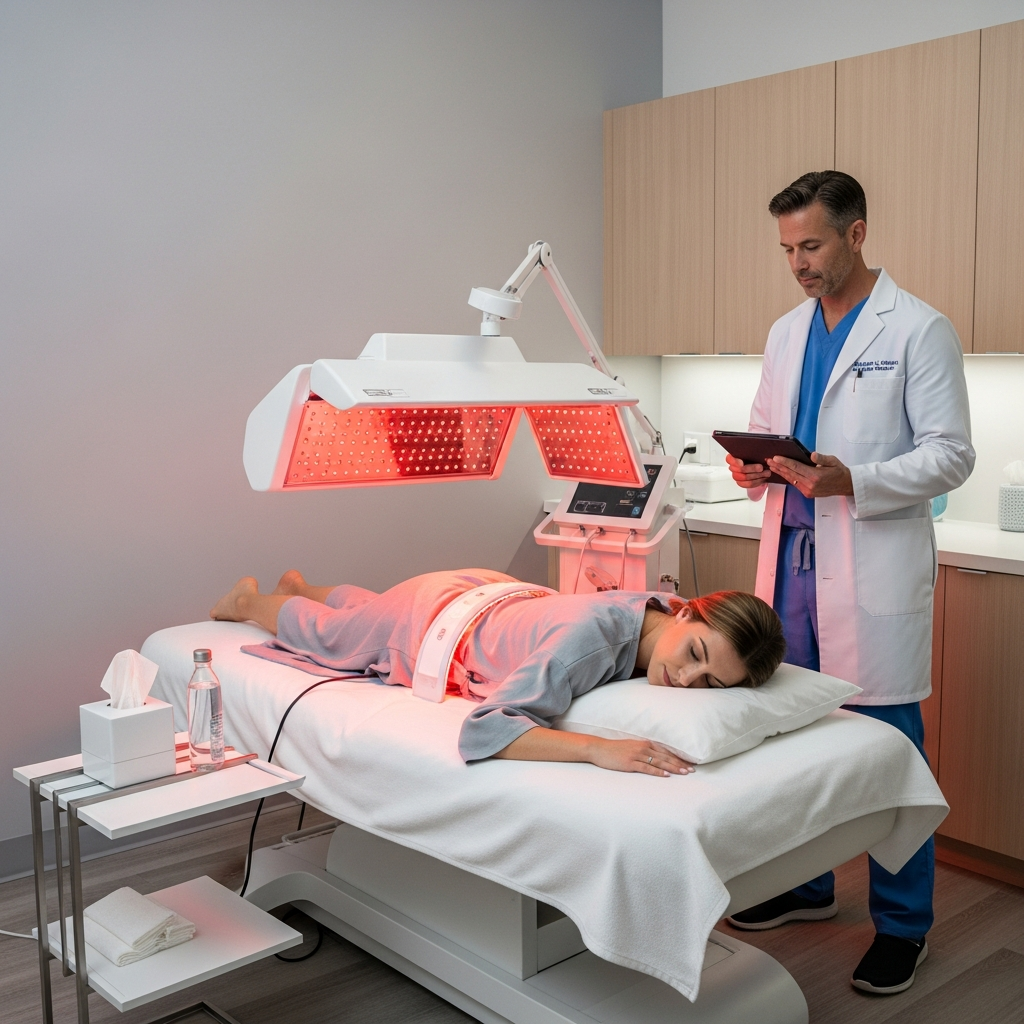
Here’s something most people get wrong right out of the gate – they think closer is always better. Not true. Your red light device needs to be positioned 12 to 18 inches from your skin for optimal penetration. Too close? You’re just heating up the surface. Too far? The photons scatter and lose their punch.
Think of it like a flashlight beam – there’s a sweet spot where the light is most concentrated. I tell my patients to use the “hand test”: if you can comfortably hold your palm in front of the device for 30 seconds without it feeling uncomfortably warm, you’re probably in the right zone.
Pro tip: Mark that distance with a piece of tape on your wall or wherever you do your sessions. No guessing games.
Timing Your Sessions for Maximum Absorption
Here’s where it gets interesting… your skin’s actually more receptive to red light at certain times. Early morning sessions – we’re talking 6 to 8 AM – seem to work best because your cellular metabolism is just waking up and ready to use that energy.
But honestly? Consistency beats perfect timing every single day. I’d rather you do it at 10 PM religiously than hit that perfect morning window only twice a week.
Start with 10 to 15 minutes per area. Your skin cells can only absorb so much energy at once – think of them like tiny batteries that need time to charge. Going longer doesn’t necessarily mean better results. Actually, some studies suggest that sessions over 20 minutes might actually have diminishing returns.
Prepping Your Skin Like a Pro
Most people just flip on their device and go. Big mistake. Clean skin absorbs light better – and I mean really clean. Not just a quick rinse, but properly cleansed of oils, lotions, and dead skin cells that can block those precious photons.
Here’s my favorite prep routine: gentle exfoliation 2-3 times a week (nothing harsh), then a thorough cleanse before each session. Skip the moisturizer beforehand – save it for after. Oil and cream create a barrier that reduces penetration by up to 30%.
Oh, and remove any jewelry or clothing from the treatment area. That silver necklace isn’t doing you any favors – metals can reflect the light away from your skin.
The Wavelength Sweet Spot You Need to Know
Not all red light is created equal. You want devices that emit light in the 660 to 670 nanometer range for surface-level benefits, and 810 to 850 nanometers for deeper tissue penetration. Many quality devices combine both – that’s your goldilocks zone.
If you’re dealing with surface issues like fine lines or minor wounds, lean toward the 660nm range. For muscle recovery, joint pain, or deeper concerns, those longer wavelengths around 830-850nm are your best bet. They penetrate up to 2-3 inches into tissue.
Power Density: The Make-or-Break Factor
Here’s something the marketing materials won’t tell you clearly – power density (measured in mW/cm²) matters more than total wattage. You want at least 100 mW/cm² at your skin’s surface for therapeutic effects. Anything less is basically an expensive night light.
Most quality devices will list this specification, but if they don’t… that’s a red flag. You can also feel the difference – therapeutic-level devices generate noticeable warmth without being uncomfortable.
Environmental Factors That Actually Matter
Room temperature affects penetration more than you’d think. Cooler rooms (around 65-68°F) actually enhance absorption because your skin isn’t already heated up and working to cool itself down.
And here’s something interesting – humidity levels between 40-60% seem optimal. Too dry, and your skin creates barriers. Too humid, and you’re competing with water molecules for light absorption.
Tracking What Really Works
Keep a simple log – not because I love paperwork, but because red light therapy is subtle. You won’t wake up one day completely transformed. The changes creep up on you over 4-6 weeks.
Note your energy levels, sleep quality, skin texture, or whatever you’re targeting. Take photos in consistent lighting if you’re working on visible issues. Trust me, three months from now you’ll want that comparison.
The real secret? Be patient but consistent. Your cells are literally learning to use light as fuel – and that takes time to optimize.
The Intensity Guessing Game
Here’s the thing nobody tells you upfront – figuring out the right intensity is like trying to find the perfect water temperature in a hotel shower. Too little, and you’re basically shining a fancy flashlight on yourself. Too much? Well, you won’t fry like bacon, but you might end up with some unwanted skin irritation.
Most people make the mistake of thinking “more is better” (we’ve all been there with everything from exercise to hot sauce). But red light therapy works more like a gentle conversation with your cells, not a screaming match. The sweet spot typically falls between 10-40 mW/cm² of power density, though honestly… those numbers probably mean about as much to you as they did to me when I first started researching this.
The real solution? Start low and slow. Think of it like building a tan – you don’t go from vampire-pale to bronze goddess in one session. Begin with shorter exposure times at a comfortable distance, then gradually work your way closer or extend your sessions. Your skin will literally tell you what works.
The Great Distance Debate
You know what’s frustrating? Every device seems to have different recommendations for how far to sit from the lights. Some say 6 inches, others suggest 36 inches, and suddenly you’re measuring distances like you’re parking a car in a tight spot.
Here’s what actually matters – and this trips up almost everyone – the light intensity drops dramatically as you move away from the source. It follows something called the inverse square law (don’t worry, no math quiz coming), which basically means that doubling your distance quarters the intensity. So that device you’re holding three feet away? It might as well be a night light.
The practical solution is simpler than most manufacturers make it sound. Start at about 12-18 inches for most panels – close enough to get meaningful light penetration, far enough to avoid any potential eye issues or overheating. If you’re using a smaller handheld device, 6-8 inches usually does the trick. But here’s the key: consistency matters more than perfection. Pick a distance that feels comfortable and stick with it.
When Your Skin Doesn’t Play Nice
Let’s talk about something that makes people panic – unexpected skin reactions. Maybe you’re seeing some mild redness, or your skin feels a bit sensitive after treatment. First thought? “I’m doing this wrong” or “This isn’t for me.”
Actually… a little initial redness can be completely normal. Think of it like the gentle flush you get after a good workout – it’s often just increased blood flow doing its thing. But – and this is important – we’re talking about mild, temporary redness that fades within an hour or so.
If you’re dealing with persistent irritation, the usual culprits are too much intensity, sessions that are too long, or (and this might surprise you) not cleaning your device properly. Those LED panels can collect dust, oils, and who knows what else, which can affect light output and potentially cause skin issues.
The fix? Scale back your sessions – maybe half the time, or increase your distance. Clean your device regularly with a soft, dry cloth. And if you’re prone to sensitive skin reactions in general, consider starting with just 2-3 minutes instead of the recommended 10-20.
The Consistency Trap (It’s Harder Than It Looks)
This one’s the real killer, isn’t it? You buy the device with the best intentions, use it religiously for… oh, about two weeks. Then life happens. Work gets crazy, the kids need seventeen different things, and suddenly your red light therapy device becomes an expensive paperweight.
I get it. The research shows you need consistent use over several weeks to see meaningful results, but fitting another thing into your routine feels impossible. The solution isn’t willpower – it’s strategy.
Instead of trying to carve out a perfect 20-minute meditation session with your device, think about habit stacking. Use it while you’re doing something you already do daily. Reading before bed? Red light time. Watching your morning news? Perfect. Folding laundry? Even better.
Some people set their device up in their bathroom and use it while doing their skincare routine. Others keep it by their favorite chair and make it part of their wind-down ritual. The key is making it so easy and automatic that skipping it feels weird, not the other way around.
Remember – five minutes consistently beats twenty minutes sporadically, every single time.
What You Can Realistically Expect
Let’s be honest here – red light therapy isn’t going to transform your skin overnight like some magic wand. I know that’s probably not what you want to hear, especially if you’ve been dealing with persistent skin issues or stubborn areas that just won’t respond to other treatments.
The reality is that cellular changes happen slowly… really slowly. Think of it like planting a garden – you can’t expect to see sprouts the day after you plant seeds, right? Your cells need time to respond to the light signals, ramp up their energy production, and start making those collagen fibers and new tissue.
Most people start noticing subtle changes around the 4-6 week mark. And I mean subtle – maybe your skin feels a bit firmer, or you notice that fine lines look slightly softer in certain lighting. Some folks report better sleep or less joint stiffness before they see visible skin changes, which actually makes sense since the therapy is working at a cellular level throughout your body.
By 8-12 weeks, that’s when things typically get more interesting. This is where you might start seeing more obvious improvements in skin tone, texture, or whatever specific concern brought you to red light therapy in the first place. But here’s the thing – everyone’s different. Your age, skin condition, overall health, and even how consistent you are with treatments all play a role in your timeline.
Starting Your Red Light Journey (See? Even I Use That Word Sometimes)
If you’re ready to give this a try, consistency is absolutely everything. It’s better to do shorter sessions regularly than to go all-out once in a while and then forget about it for weeks.
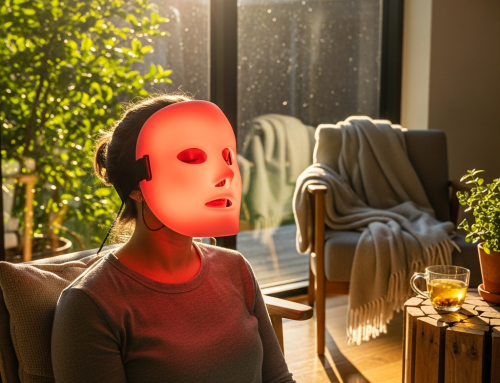
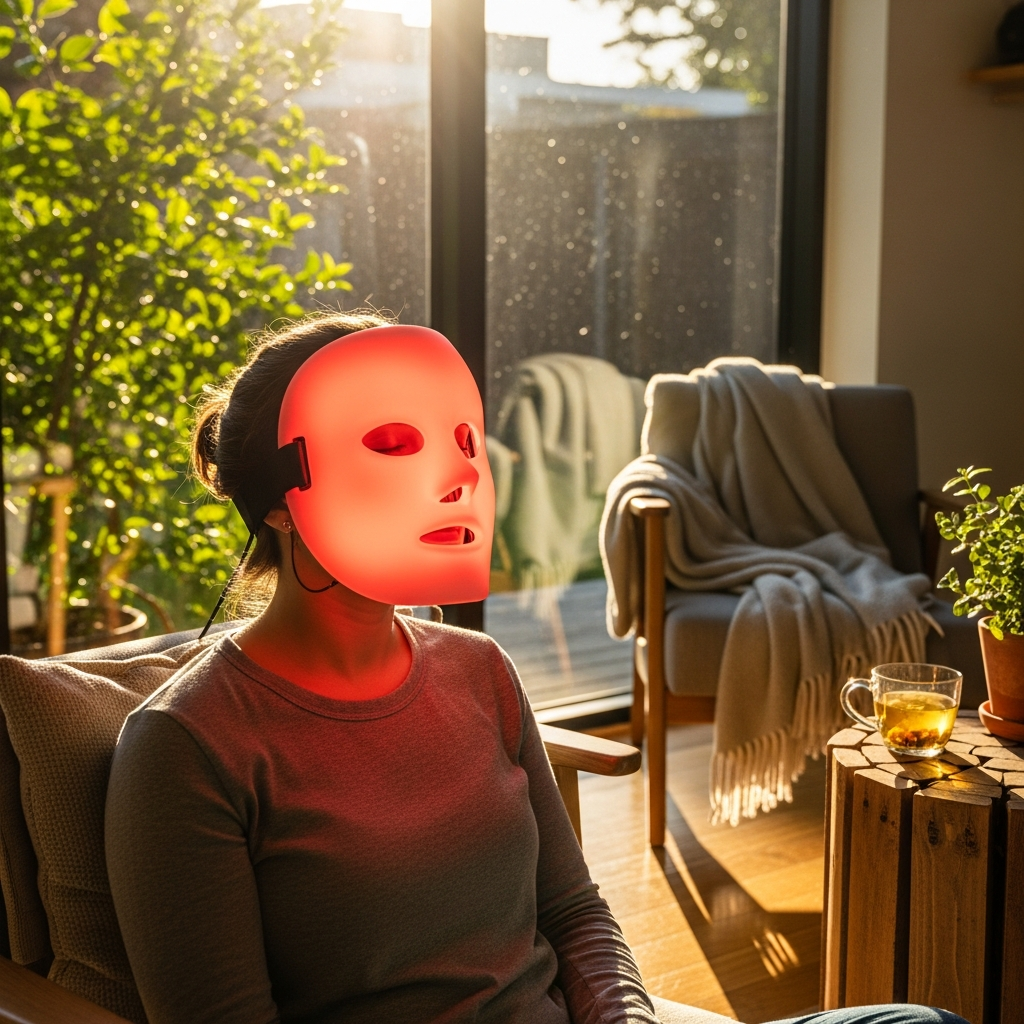
Most protocols suggest starting with 10-20 minutes per session, 3-5 times per week. Position yourself about 6-12 inches from the light panel – close enough to get good penetration, but not so close that you’re getting uncomfortably warm. You should feel a gentle warmth, nothing more.
And please, please protect your eyes. Even though red light is generally safe, you don’t want to stare directly into those LED panels. Most people just close their eyes or wear the protective goggles that come with quality devices.
Keep a simple log – I know it sounds tedious, but trust me on this one. Note how your skin looks and feels before you start, then check in weekly. Progress photos can be incredibly helpful too, though I get it if that feels awkward. The changes can be so gradual that you might not notice them without some kind of reference point.
When Things Don’t Go as Planned
Sometimes red light therapy just… doesn’t work for someone. It’s frustrating, but it happens. Maybe you’ve been consistent for three months and honestly can’t see any difference. Or perhaps you experienced some initial improvement that seemed to plateau.
This doesn’t mean you’re doing anything wrong. Your skin might need a different approach, or you might benefit from combining red light with other treatments. Some people see better results when they pair it with a good skincare routine or make dietary changes that support cellular health.
Actually, that reminds me – hydration and nutrition play a bigger role than most people realize. Your cells need the right building blocks to respond to light therapy effectively. If you’re chronically dehydrated or not getting enough protein… well, you’re not setting yourself up for success.
The Long Game
Here’s what I want you to remember: red light therapy is more like a gentle nudge to your cells than a dramatic intervention. It’s asking your body to do what it already knows how to do – just giving it a little extra energy and encouragement.
The people who see the best results are usually those who view it as part of a broader wellness approach, not a standalone miracle cure. They’re patient with the process, consistent with their sessions, and realistic about what changes to expect.
Some people continue with maintenance sessions even after reaching their goals – maybe 2-3 times per week instead of daily. Others take breaks and come back to it when needed. There’s no single right approach, which can be both liberating and a little overwhelming when you’re trying to figure out what works for you.
The key is managing your expectations while staying optimistic about the possibilities. Give it a fair shot – at least 8-12 weeks of consistent use – before deciding whether it’s right for you.
You know what? When I first started learning about how light actually moves through our skin layers – from the epidermis down to those deeper tissues where the real healing happens – it felt almost magical. Here we are, using something as simple as specific wavelengths of light to potentially help with everything from wound healing to muscle recovery.
But here’s the thing that really gets me… it’s not magic at all. It’s science that we’re finally understanding better. Those red and near-infrared wavelengths aren’t just randomly helpful – they’re working at the cellular level, reaching mitochondria that are literally the powerhouses of our cells. When you think about it that way, the whole process makes so much sense.
What I love most about this is how it fits into a bigger picture of wellness. You’re not just treating symptoms on the surface – you’re potentially supporting your body’s own natural healing processes from the inside out. And honestly? That’s pretty incredible when you consider we’re talking about light therapy that’s been around for decades but is just now getting the recognition it deserves.
Of course, like anything in health and wellness, it’s not a magic bullet. (Wouldn’t that be nice, though?) The depth of penetration matters, the wavelength matters, the duration and intensity matter… there are definitely nuances to getting it right. That’s where working with people who really understand the science becomes so valuable.
I’ve seen too many folks get excited about red light therapy – which, don’t get me wrong, is great! – but then feel overwhelmed by all the technical details. How deep does 660nm really penetrate? What about 850nm? Should you be focusing on surface-level benefits or deeper tissue effects? These aren’t just academic questions when you’re trying to support your health goals.
The beautiful thing is that you don’t have to figure this out alone. Whether you’re dealing with persistent skin concerns, looking to support muscle recovery, or exploring how red light therapy might fit into your overall wellness plan, having someone in your corner who understands both the science and the practical application can make all the difference.
Sometimes the best step forward is simply having a conversation. Not a sales pitch or a hard sell – just an honest discussion about what you’re hoping to achieve and whether red light therapy might be a good fit for your unique situation. Because here’s what I’ve learned after years in this field: the most effective wellness approaches are always the ones that are tailored to you.
If any of this resonates with you… if you’re curious about how light penetration might support your specific goals or just want to talk through your questions with someone who gets it – we’d love to hear from you. No pressure, no lengthy consultations you didn’t ask for. Just real people who happen to know quite a bit about making wellness work in the real world.
You deserve support that actually makes sense for your life. Let’s figure out what that looks like together.