7 Myths About Red Light Therapy Debunked
You’re scrolling through your social feed at 11 PM (again), and there it is – your friend’s before-and-after photo under some kind of red glow that looks like a sci-fi movie set. The caption reads something about “ancient healing light” and “cellular regeneration.” Your first thought? *This looks like complete nonsense.* Your second thought? *But what if it actually works?*
Welcome to the wonderfully confusing world of red light therapy, where legitimate science collides with Instagram wellness influencers, and where sorting fact from fiction feels like… well, like trying to read the fine print on a supplement bottle while squinting under a red light.
Here’s the thing – I get it. You’ve been burned before by wellness trends that promised the moon and delivered about as much benefit as a chocolate teapot. Remember when everyone was putting butter in their coffee? Or when that one device was supposed to “tone” your abs while you binge-watched Netflix? (Spoiler alert: it didn’t.)
But red light therapy isn’t exactly new. NASA’s been researching it since the 1990s for wound healing in space missions. Athletes have been using it for recovery for years. And now it’s showing up everywhere from dermatology clinics to your neighbor’s home office setup.
The problem? For every legitimate study showing real benefits, there’s someone claiming red light can cure everything from depression to diabetes to… I don’t know, probably bad credit scores. It’s like playing telephone with scientific research – by the time information filters through wellness blogs and marketing departments, the original message gets pretty mangled.
And honestly? That’s frustrating if you’re someone dealing with real issues. Maybe you’re struggling with stubborn weight that won’t budge despite doing everything “right.” Perhaps you’re dealing with skin issues that make you want to hide under foundation. Or you’re an athlete – weekend warrior or otherwise – who’s tired of feeling like recovery takes forever.
You don’t want another expensive gadget gathering dust in your closet. You definitely don’t want to fall for pseudoscience dressed up in fancy marketing speak. But you also don’t want to dismiss something that might actually help just because it sounds too good to be true.
That’s exactly why we need to talk about the myths swirling around red light therapy. Because buried underneath all the hype and misinformation, there’s actually some pretty solid science worth understanding.
Some people think red light therapy is just placebo effect dressed up in fancy LEDs. Others believe it’s a miracle cure that works instantly for everything. Both camps are wrong, and the truth – as usual – lives somewhere in the middle.
Here’s what I’ve learned after digging through the research (and yes, there’s actual peer-reviewed research, not just testimonials from people named Crystal who sell essential oils): red light therapy has legitimate, measurable effects on certain biological processes. But it’s not magic, it doesn’t work overnight, and it definitely doesn’t cure everything.
The biggest disservice we do ourselves is approaching it with either blind skepticism or naive optimism. It’s like dismissing all exercise because some fitness influencer claims their 5-minute workout will give you abs, or believing that same influencer when they make impossible promises.
What you really need is the straight story. Which studies actually hold water? What benefits are backed by real evidence versus wishful thinking? How does it actually work in your body – and more importantly, how might it work for your specific goals?
You also need to know what red light therapy *can’t* do, because understanding the limitations is just as important as understanding the benefits. It’s not going to replace your skincare routine, your workout plan, or your doctor’s advice. But it might – and I emphasize *might* – complement them in some interesting ways.
Over the next few minutes, we’re going to untangle seven of the most persistent myths I hear about red light therapy. Some of these myths make it sound useless; others make it sound too good to be true. Both kinds of myths are keeping people from making informed decisions about whether this technology makes sense for their goals.
Ready to separate the science from the snake oil? Let’s dig in.
What Exactly Is Red Light Therapy Anyway?
Okay, let’s start with the basics – because honestly, when I first heard about red light therapy, I pictured something out of a sci-fi movie. You know, all dramatic and futuristic. But it’s actually much simpler (and way less Hollywood) than you’d think.
Red light therapy uses specific wavelengths of light – typically between 630 to 850 nanometers – to potentially stimulate cellular processes in your body. Think of it like… well, imagine your cells have tiny solar panels. When the right kind of light hits them, they might produce more energy. That’s essentially what we’re talking about here, though the reality is obviously more complex than my oversimplified solar panel analogy.
The light comes from LED panels or devices that emit either red light (around 660nm) or near-infrared light (around 850nm). The red stuff you can actually see – it bathes you in this warm, crimson glow. The near-infrared? Completely invisible, but it penetrates deeper into your tissues. It’s like having two different tools for two different jobs.
The Science Behind the Glow
Here’s where things get interesting – and admittedly a bit confusing if you’re not into cellular biology. The theory centers around something called photobiomodulation, which is basically a fancy way of saying “light affecting biological processes.”
Your cells contain these little powerhouses called mitochondria (remember those from high school biology?). These are essentially your cellular batteries, constantly churning out energy in the form of ATP. When specific wavelengths of light hit these mitochondria, they might – and I stress might – work more efficiently.
It’s sort of like jump-starting a car battery, except instead of cables and sparks, you’re using carefully calibrated light. The mitochondria absorb the photons, which could potentially increase ATP production, reduce oxidative stress, and even influence gene expression.
Now, I’ll be honest – this is where the science gets murky and the marketing sometimes runs ahead of the research. The mechanisms aren’t fully understood, and results can vary wildly from person to person.
Where Did This All Come From?
The whole thing actually started with NASA back in the 1990s. They were looking for ways to help plants grow in space (because apparently even astronauts need their vegetables), and they stumbled onto something unexpected. The LED lights they were testing didn’t just help plants – they seemed to speed up wound healing in human tissue too.
From there, researchers started digging deeper. What began as a space agriculture project evolved into investigations for everything from wound healing to muscle recovery to… well, that’s where we start getting into myth territory.
The FDA has approved certain red light devices for specific uses – mainly minor muscle and joint pain, and some skin conditions. But here’s the thing: approval for one specific use doesn’t mean it works for everything people claim it does.
The Current Landscape (And Why It’s Confusing)
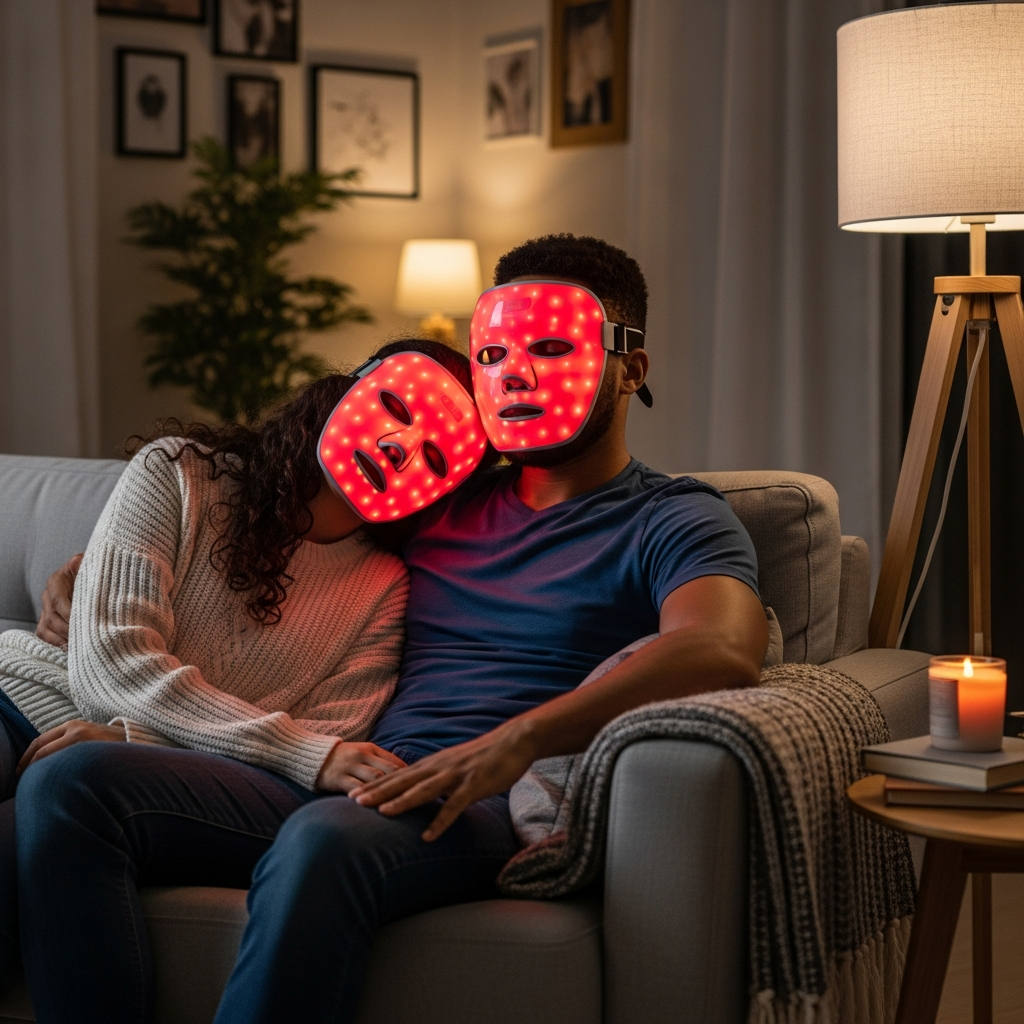
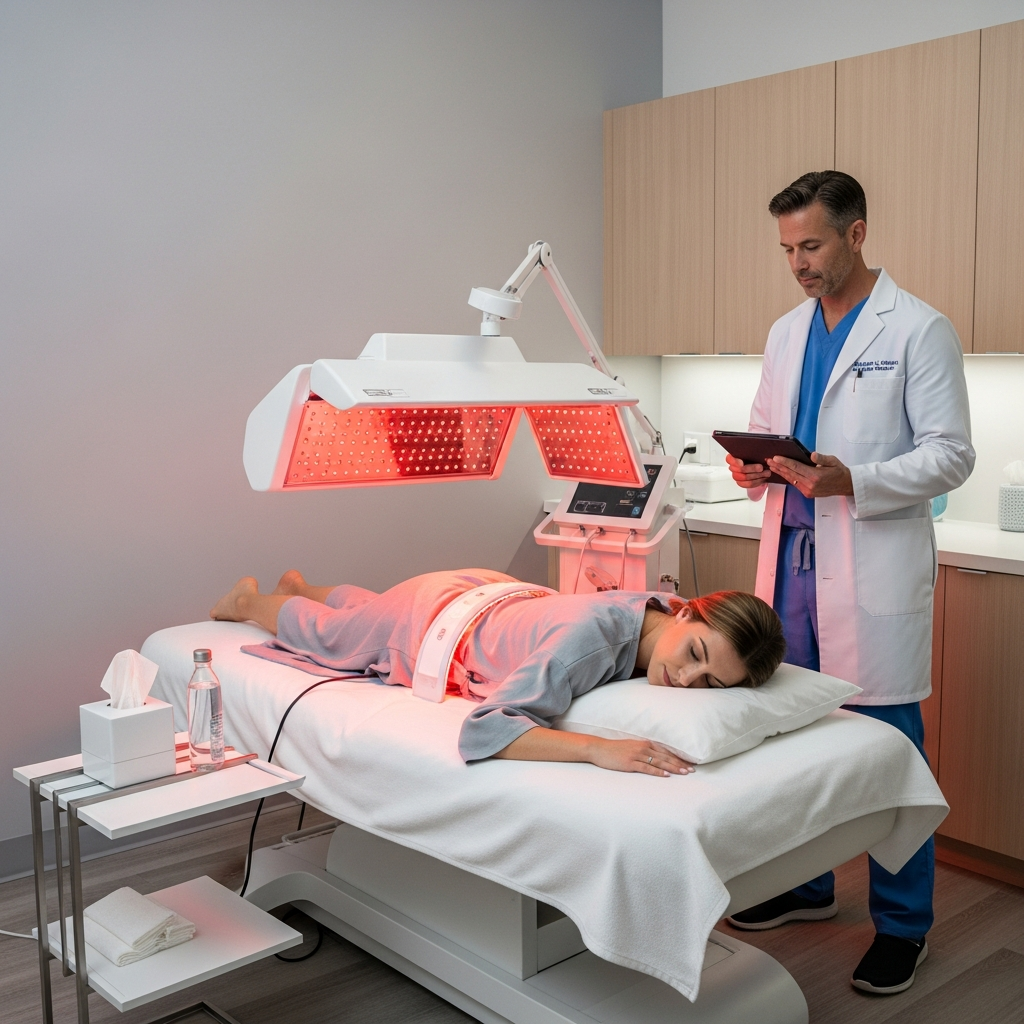
Walk into any wellness center these days and you’ll probably find some version of red light therapy. Panels the size of refrigerators, handheld devices, masks that make you look like Iron Man… the options are everywhere. And honestly? That’s part of the problem.
With popularity comes, well, let’s call it “creative marketing.” Suddenly, red light therapy is being pitched as a cure for everything from hair loss to depression to weight gain. Some of these claims have research behind them. Others… not so much.
The tricky part is that light therapy *does* have legitimate applications. There’s decent research supporting its use for certain skin conditions, some types of pain, and wound healing. But when something works for A and B, marketers love to suggest it’ll work for C through Z too.
Why This Matters for Your Health Goals
If you’re considering red light therapy – maybe your doctor mentioned it, or you saw it at your local wellness clinic – you’re probably wondering what’s real and what’s hype. And that’s exactly why we need to tackle these myths head-on.
The truth is, red light therapy isn’t magic. It’s not going to transform your life overnight, and it definitely isn’t a substitute for proven medical treatments. But it’s also not complete nonsense – there’s legitimate science here, even if it’s still evolving.
What matters is separating the wheat from the chaff… or in this case, the science from the sales pitch.
How to Actually Get Results (Not Just Pretty Instagram Photos)
Look, I’ve seen too many people buy a red light device, use it twice, and then let it collect dust next to their unused juicing machine. Here’s the thing – red light therapy works, but only if you’re strategic about it.
Start with the 20-10 rule. Twenty inches away from your body, ten minutes per session. I know some influencer told you to bask under those panels for 45 minutes, but that’s like thinking if one vitamin is good, the whole bottle must be better. Your cells can only absorb so much light energy at once – after that, you’re just wasting electricity and your time.
And please, for the love of all things scientific, don’t wear clothes during treatment. I get it – standing around half-naked feels weird at first. But red light needs direct skin contact to penetrate effectively. That cute workout outfit? It’s blocking about 90% of the wavelengths you’re paying for.
Timing Isn’t Everything… But It’s Close
Here’s where people get it backwards – they think morning sessions are automatically better because that’s when they have energy. Actually, your cellular repair mechanisms are most active in the evening. Think of it this way: your body does its deep cleaning while you sleep, so giving it some extra energy right before bed is like plugging in your phone overnight.
That said, if evening sessions make you feel too energized to sleep (and yes, this happens to some people), morning works fine too. Consistency beats perfect timing every single time. I’d rather you use it religiously at 6 AM than sporadically at the “optimal” hour.
Pro tip from someone who’s been doing this for years: set a timer on your phone. Not for the session length – for the daily reminder. Make it part of your routine, like brushing your teeth. Otherwise, three weeks from now you’ll be wondering why you’re not seeing results while your device sits unused in the corner.
The Placement Game-Changer
Most people treat red light therapy like they’re getting a tan – just stand there and hope for the best. But different wavelengths penetrate to different depths, and your device probably emits multiple wavelengths (usually 660nm and 850nm, if you’re curious).
For skin issues – acne, fine lines, that stubborn scar from when you thought skateboarding at 35 was a good idea – keep the device closer. About 6-12 inches away. The shorter wavelengths work their magic on surface-level concerns.
For deeper stuff – muscle recovery, joint pain, that nagging lower back issue – step back to 18-24 inches and be patient. The longer wavelengths need to travel through skin, fat, and into muscle tissue. It’s like the difference between watering your lawn with a spray bottle versus a sprinkler system.
What Success Actually Looks Like
Here’s what nobody tells you: the first thing you’ll probably notice isn’t dramatic healing or sudden energy. It’s better sleep. Most people report improved sleep quality within the first week or two. Your skin might look a bit more… alive? It’s subtle at first.
The real changes – reduced inflammation, faster workout recovery, clearer skin – usually show up around the 4-6 week mark. I know, I know. We live in an instant-everything world, but your cells didn’t read that memo.
Keep a simple log. Nothing fancy – just rate your energy, sleep, and any specific concerns you’re targeting on a 1-10 scale each week. Trust me, two months from now when you’re feeling amazing, you’ll want to look back and remember how you felt before.
The Rookie Mistakes That Kill Results
Don’t use your device through glass or plastic shields. Some people think they’re being extra careful, but you’re just filtering out the wavelengths you need.
Stop obsessing over watts and power density unless you’re planning to become a red light therapy researcher. Focus on consistency and proper distance instead – those matter way more than having the most powerful device on Amazon.
And please, don’t expect it to cure everything from your student loans to your relationship problems. Red light therapy is powerful for specific things – inflammation, cellular energy, skin health, muscle recovery. It’s not magic pixie dust (though sometimes the results feel pretty magical).
The bottom line? Use it regularly, give it time, and pay attention to how you actually feel rather than hunting for dramatic before-and-after photos. Your body will thank you… eventually.
The Learning Curve That Nobody Talks About
Let’s be real – red light therapy isn’t exactly plug-and-play. You can’t just flip a switch and expect miracles, despite what some manufacturers want you to believe.
The biggest challenge? Consistency. It’s like going to the gym or taking vitamins – the benefits compound over time, but that first month can feel like you’re staring at a fancy lamp wondering if you’ve been scammed. I get it. You’ve invested in this device, maybe even a pretty expensive one, and you’re standing there thinking, “Well… now what?”
Here’s what actually works: Start with just 10-15 minutes, three times a week. Set a reminder on your phone. Make it part of your existing routine – maybe while you’re catching up on emails or listening to a podcast. The moment you try to add it as a separate “thing” to remember… well, we both know how that usually goes.
The Positioning Puzzle
This one drives people crazy, and honestly? The instruction manuals don’t help much. They’ll tell you to keep the device “6-12 inches away” – but that’s like saying “cook the chicken until it’s done.” Thanks for nothing, right?
The sweet spot is usually about 6 inches from your skin for most devices, but here’s the thing nobody mentions: you’ll feel it when you get it right. Not hot, not cold, just this gentle warmth that feels… purposeful. If you’re getting nothing, move closer. If it’s uncomfortably warm, back off.
For targeted areas like your face, closer is often better – maybe 3-4 inches. For larger areas like your back, you might need to move it around or invest in a panel-style device. Yeah, it’s trial and error at first. That’s normal, not a sign you’re doing it wrong.
When You Don’t See Results (And Why That’s Not Game Over)
Here’s the conversation nobody wants to have: red light therapy isn’t magic. Sometimes you won’t see dramatic changes in the first few weeks, and that doesn’t mean it’s not working.
Your skin might be dealing with years of damage, your metabolism might be sluggish from other factors, or – and this is important – you might be expecting the wrong kind of results. Red light therapy isn’t going to transform you overnight like some before-and-after photo suggests.
The solution? Adjust your timeline and your expectations. Real changes often happen around the 6-8 week mark. Keep photos if you’re working on skin issues. Track your energy levels if that’s your goal. Sometimes the changes are so gradual, you don’t notice them until someone else points them out.
The Device Overwhelm
Walk into this market and you’ll find everything from $50 handheld devices to $3,000 full-body panels. The range is dizzying, and honestly? The marketing doesn’t help. Everyone claims to have the “most powerful” or “clinically proven” device.
Here’s my take after seeing hundreds of patients navigate this: start smaller than you think you need. A good quality handheld or small panel device will let you test the waters without breaking the bank. You can always upgrade later if you find it helpful.
Look for devices with both 660nm and 850nm wavelengths – that combination gives you the most versatility. And ignore the power claims unless you understand the technical specs… which most of us don’t, and that’s fine.
Making It Work With Real Life
The biggest solution isn’t technical – it’s practical. Red light therapy works best when it doesn’t feel like another chore on your endless to-do list.
Some of my most successful patients use their devices while doing other things. Reading, working on their laptops, watching TV… it becomes background wellness instead of dedicated “therapy time.”
Others batch it with skincare routines or use it as a wind-down ritual before bed (though if you’re sensitive to light at night, morning sessions might work better for you).
The key is finding what actually fits your life, not what sounds impressive on paper. A $100 device you use regularly beats a $1,000 device gathering dust every single time.
Bottom Line on Troubleshooting
Most challenges with red light therapy come down to patience and consistency rather than technical problems. If you’re three weeks in and frustrated… that’s actually pretty normal. Give it more time, adjust your approach, and remember – you’re working with your body’s natural processes, not against them.
Setting Realistic Expectations (Because Nobody Likes False Promises)
Let’s be honest – you’re probably wondering when you’ll start seeing results. It’s human nature, right? We want our investments to pay off quickly, whether it’s a new workout routine or that fancy red light device you’ve been eyeing.
Here’s the thing though… red light therapy isn’t a magic wand. I know, I know – not what you wanted to hear. But stick with me here because understanding the real timeline will actually help you succeed.
Most people start noticing subtle changes around the 2-4 week mark. And by subtle, I mean things like sleeping a bit better, feeling less stiff in the morning, or noticing their skin looks… well, just a little more “alive.” These aren’t dramatic transformations – they’re gentle shifts that build over time.
The more significant changes? Those typically show up between 6-12 weeks of consistent use. We’re talking about noticeable improvements in muscle recovery, clearer skin texture, or that general sense of feeling more energetic. But here’s the catch – and there’s always a catch – consistency is absolutely everything.
Think of it like going to the gym. You wouldn’t expect abs after one workout, right? Red light therapy works similarly. Your cells need time to respond, adapt, and create lasting changes. It’s biology, not magic.
What “Normal” Actually Looks Like
I get questions all the time from clients who panic after a week because they don’t see dramatic changes. So let me paint you a picture of what normal progression actually looks like…
Week 1-2: Honestly? You might not notice much. Maybe you sleep slightly better or feel a bit more relaxed after sessions. Some people experience a mild energy boost, but others feel exactly the same. Both are completely normal.
Week 3-6: This is where things get interesting. You might start waking up feeling more refreshed, or notice that post-workout soreness doesn’t linger quite as long. Your skin might have a subtle glow – not Instagram-filter dramatic, just… healthier looking.
Week 6-12: Here’s where the magic (okay, science) really happens. Muscle recovery improves noticeably. Skin texture becomes smoother. Energy levels feel more stable throughout the day. Some people even notice improvements in mood – though that could be the placebo effect of taking better care of themselves.
The thing is, these changes creep up on you. One day you realize you haven’t had that afternoon energy crash in weeks, or your partner comments that your skin looks great. It’s gradual, which is actually a good thing – it means the changes are likely to stick.
Your Next Steps (Without the Overwhelm)
Alright, so you’re convinced red light therapy might be worth trying. What now? Don’t overthink this – seriously.
Start with consistency over intensity. I’d rather see you use a device for 10 minutes every day than 30 minutes twice a week. Your cells respond better to regular, consistent exposure than sporadic longer sessions.
Choose your timing based on your goals. Morning sessions can help with energy and mood – think of it as a gentler alternative to that third cup of coffee. Evening sessions tend to be better for recovery and relaxation. There’s no “wrong” time, just what works for your schedule.
Distance matters, but don’t get obsessed with measuring. Most devices work best when you’re 6-12 inches away. Closer isn’t always better – you’re not trying to get a suntan here.
Keep Track (But Don’t Go Crazy)
Here’s something nobody talks about – it’s really hard to notice gradual changes without some kind of tracking. Not because you need to become a data nerd, but because our brains are terrible at remembering how we felt three weeks ago.
Take a quick photo if you’re using it for skin concerns. Jot down your energy levels on a scale of 1-10. Note how quickly you recover after workouts. Nothing fancy – just enough to help you recognize progress when it happens.
And remember, individual results vary wildly. Your friend might see changes in two weeks while you need eight. Your skin might respond beautifully while your sleep patterns take longer to shift. That’s not failure – that’s just how biology works.
The most important thing? Give it a real shot. Three weeks isn’t enough time to judge whether red light therapy works for you. But three months? That’s enough data to make a decision about whether this tool deserves a permanent spot in your wellness routine.
You know what? After sorting through all these misconceptions, I think the biggest takeaway isn’t really about red light therapy at all. It’s about how easy it is to get overwhelmed when you’re trying to make sense of every wellness trend that comes your way.
And honestly – I get it. You’re probably tired of hearing conflicting information about what works and what doesn’t. One day coconut oil is a miracle cure, the next it’s practically poison. Red light therapy gets the same treatment… which is exactly why we needed to separate fact from fiction here.
The Real Story Behind the Science
What I find fascinating is that red light therapy actually has decades of solid research behind it – but somehow the internet turned it into this mysterious, almost magical thing that either cures everything or does nothing at all. The truth? It sits comfortably in the middle, doing exactly what the science says it can do. Nothing more, nothing less.
That’s refreshing, isn’t it? In a world where everything promises to be a game-changer, red light therapy is more like that reliable friend who shows up when they say they will and does what they promise to do.
Finding What Actually Works for You
Here’s what I’ve learned after years of working with people on their wellness goals – the best approach isn’t about finding the one perfect solution. It’s about building a toolkit of evidence-based strategies that actually fit your life. Red light therapy might be one tool in that kit, or it might not be right for you at all. And that’s completely okay.
The key is making informed decisions based on real information, not marketing hype or fear-mongering. Whether you’re dealing with stubborn weight that won’t budge, energy crashes that derail your best intentions, or just trying to feel more like yourself again… you deserve to know what’s actually going to help.
Sometimes that means trying something new (with realistic expectations). Sometimes it means sticking with what’s already working. And sometimes – probably more often than we’d like to admit – it means getting professional guidance to figure out what makes sense for your specific situation.
You Don’t Have to Figure This Out Alone
Listen, I know how isolating it can feel when you’re trying to improve your health and every piece of advice seems to contradict the last. You start second-guessing everything, wondering if you’re missing some obvious solution that everyone else seems to know about.
But here’s the thing – you’re not missing anything. You’re just dealing with a lot of noise, and that’s not your fault.
If you’re feeling stuck or confused about what might actually help with your health goals, that’s exactly what we’re here for. No pressure, no sales pitch – just real conversations about what’s realistic, what’s evidence-based, and what might actually work for your specific needs.
Ready to cut through the confusion? Give us a call or shoot us a message. Sometimes a simple conversation with someone who understands both the science and the struggle can make all the difference. We’re here when you’re ready to explore what might actually work for you.