Red Light Therapy Mask vs Professional Treatments

Picture this: you’re scrolling through Instagram at 11 PM (again), and suddenly you’re face-to-face with some influencer glowing like she’s been personally blessed by the skincare gods. She’s holding up this space-age looking mask covered in tiny red lights, promising it’ll transform your skin in just 10 minutes a day. Meanwhile, your bathroom cabinet is already bursting with serums, gadgets, and miracle creams that… well, let’s just say they’re still waiting to work their magic.
You pause. Screenshot. Add to cart. Delete from cart. Add back again.
Sound familiar?
Here’s the thing – red light therapy isn’t just another skincare fad that’ll end up gathering dust next to your jade roller. There’s actually some serious science behind those glowing red lights, and they really can help with everything from stubborn acne to fine lines that seem to multiply overnight. But (and this is a big but), the choice between grabbing an at-home mask or booking yourself into a professional clinic? That’s where things get complicated.
I get it. You’re probably thinking the same thing most of my patients think when they first hear about red light therapy: “Great, another expensive thing I ‘need’ for my skin.” Trust me, I’ve been there too – standing in Sephora, calculator app open, trying to justify why I absolutely *need* the latest miracle device.
But here’s what’s different about red light therapy… it’s not just skincare marketing magic. We’re talking about actual LED lights that penetrate your skin at specific wavelengths, triggering cellular processes that boost collagen production and reduce inflammation. Think of it like giving your skin cells a gentle wake-up call – encouraging them to behave like they did when you were in your twenties.
The real question isn’t whether red light therapy works (spoiler alert: it does), but whether you should invest in that sleek at-home mask or splurge on professional treatments. And honestly? The answer isn’t as straightforward as you might hope.
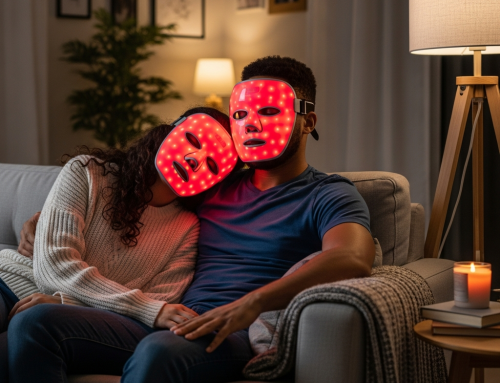
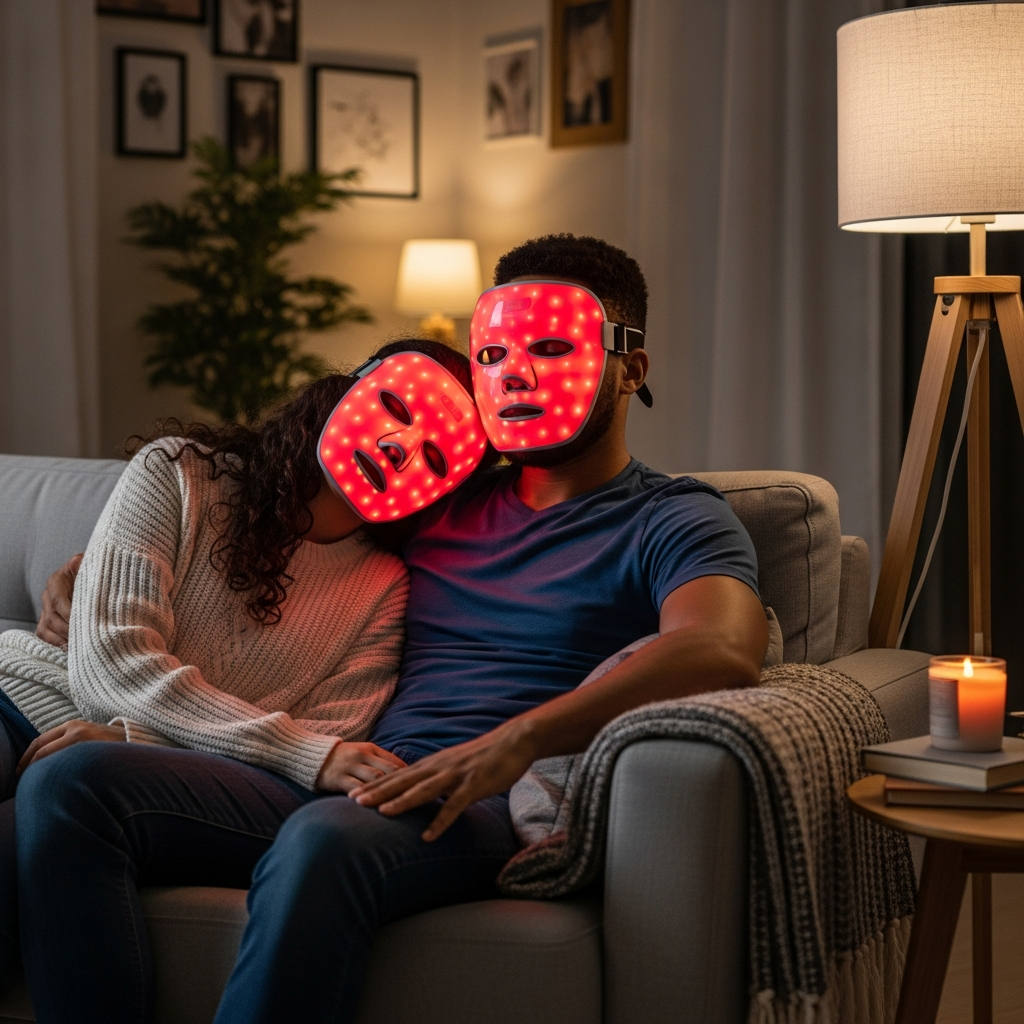
Those at-home masks – the ones flooding your social media feeds – they’re convenient, sure. You can binge-watch Netflix while your skin soaks up those healing rays, and there’s something undeniably satisfying about having your own personal light therapy session whenever you want. But here’s where it gets interesting… the power output, the wavelength precision, the treatment protocols – they’re all different from what you’d get in a professional setting.
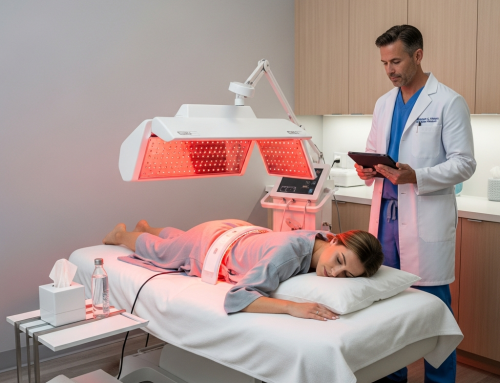
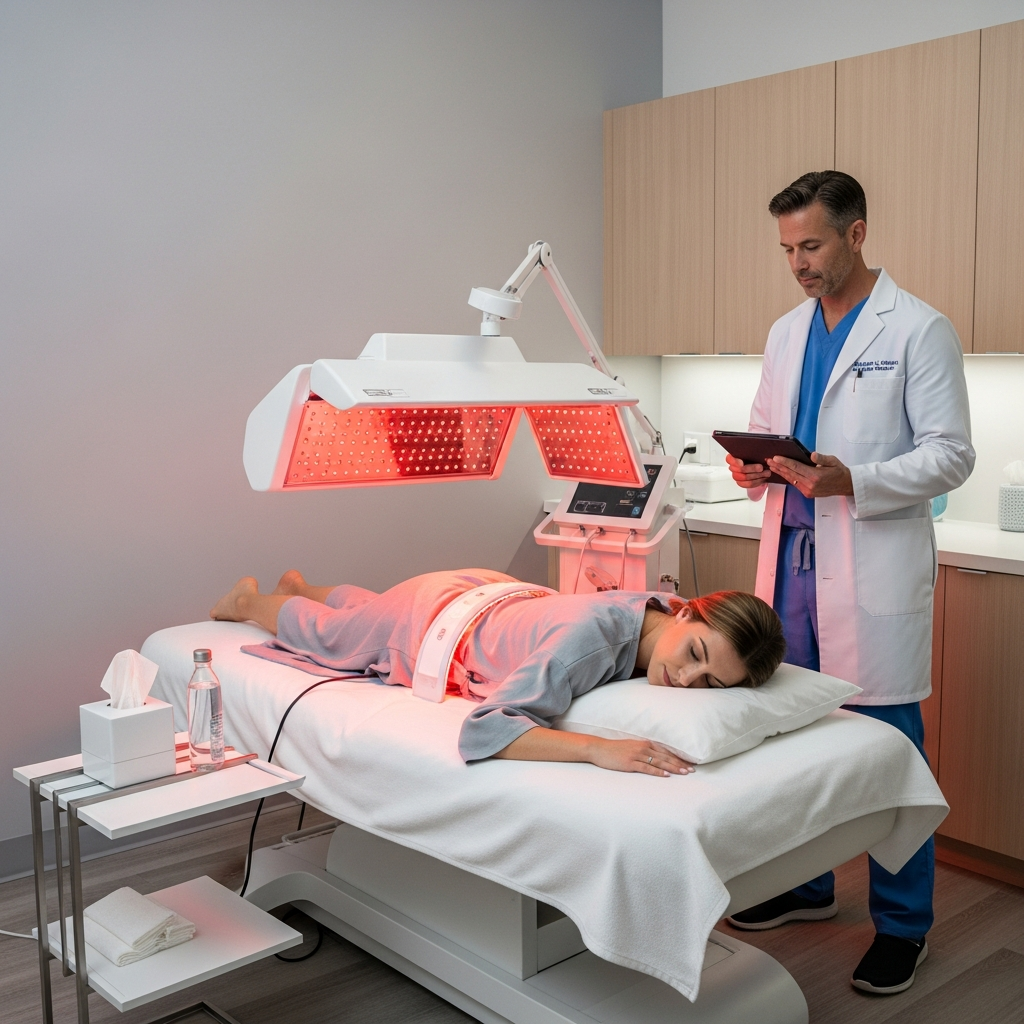
Professional treatments, on the other hand, pack a much more powerful punch. We’re talking about devices that cost more than most people’s cars, operated by trained professionals who actually understand the science behind optimal dosing and treatment intervals. But (there’s always a but, isn’t there?) they come with their own set of considerations – cost, time commitment, and that whole “do I really need this level of intensity?” question.
I’ve watched patients get amazing results with both approaches, and I’ve also seen people waste money on devices that end up as expensive paperweights. The difference usually comes down to understanding what you’re actually buying, setting realistic expectations, and – this is crucial – knowing which option actually makes sense for your specific skin concerns, lifestyle, and budget.
Maybe you’re dealing with persistent hormonal breakouts that make you want to hide under a hat forever. Or perhaps you’ve noticed those first fine lines creeping in and you’re determined to fight back before they become permanent residents on your face. Could be you’re just tired of looking tired – you know that dull, stressed-out complexion that no amount of concealer seems to fix.
Whatever brought you here, you deserve to know the real deal about these options. Not the glossy marketing promises or the fear-based sales tactics, but the honest truth about what works, what doesn’t, and what’s actually worth your hard-earned money.
So let’s talk about it. We’ll break down the science (in normal human language, I promise), compare the costs, explore the pros and cons, and figure out which path might actually make sense for you. Because at the end of the day, the best skincare device is the one you’ll actually use consistently – and that looks different for everyone.
What Exactly Is Red Light Therapy?
Okay, let’s start with the basics – because honestly, the whole concept sounds a bit… sci-fi, doesn’t it? Red light therapy is essentially shining specific wavelengths of red and near-infrared light onto your skin. Think of it like a very targeted sunbath, but without the UV rays that make you look like a lobster.
The magic happens at the cellular level (and yes, I know that sounds like marketing speak, but bear with me). Your cells have these tiny powerhouses called mitochondria – basically the batteries that keep everything running. When you expose them to certain wavelengths of light, typically between 660-850 nanometers, something pretty cool happens. It’s like giving your cellular batteries a little boost of energy.
The Science That Actually Makes Sense
Here’s where it gets interesting – and slightly confusing if you’re not used to thinking about light as medicine. Your skin doesn’t just reflect light; it actually absorbs it at different depths depending on the wavelength.
Red light (around 660nm) tends to hang out closer to the surface, working on your skin cells, collagen production, and surface-level inflammation. Near-infrared light (around 850nm) is more like that friend who goes straight to the deep end of the pool – it penetrates deeper into tissues, muscles, and joints.
The technical term for this whole process is “photobiomodulation,” which… honestly sounds like something you’d hear on Star Trek. But what it really means is using light to trigger biological changes in your cells.
Why Your Cells Actually Care About Light
This is the part that threw me for a loop when I first learned about it. We’re so used to thinking of light as just… light. Something we see by. But your cells have been responding to light for millions of years – it’s not just your eyes that notice when the sun comes up.
Those mitochondria I mentioned? They contain something called cytochrome c oxidase (try saying that three times fast). This enzyme is basically a light-sensitive switch that, when activated by the right wavelengths, kicks cellular energy production into high gear. It’s like having a dimmer switch that suddenly gets turned all the way up.
The Wavelength Sweet Spot
Not all red light is created equal, and this is where things get a bit technical – but in a way that actually matters for your results. The therapeutic window is surprisingly narrow. Too short of a wavelength, and you’re basically just shining a regular light bulb on your face. Too long, and the light doesn’t have the energy to trigger those cellular changes.
Most devices focus on two main ranges: 660nm (visible red) and 850nm (near-infrared, which you can’t actually see). Some people get confused because they can’t see the 850nm light working – but that’s actually the point. It’s doing its thing deeper in your tissues where your eyes can’t follow.
Professional vs. At-Home: The Power Game
Here’s where the comparison between masks and professional treatments starts to make more sense. It’s a bit like comparing a garden hose to a fire hydrant – both deliver water, but the intensity and coverage are completely different.
Professional devices can pump out significantly more power (measured in milliwatts per square centimeter, if you’re keeping track). They also tend to cover larger areas and offer more precise wavelength control. But – and this is important – more power isn’t always better. It’s about finding that sweet spot where you’re delivering enough energy to trigger cellular changes without overdoing it.
The Time and Distance Dance
One thing that surprises people is how much distance and timing matter. Light intensity follows something called the inverse square law – basically, if you double the distance from the light source, you quarter the intensity. So that red light mask sitting snug against your face is delivering way more energy than if it were even a few inches away.
Treatment time is equally crucial. Too little exposure and you’re not hitting the minimum threshold for cellular response. Too much, and you might actually inhibit the very processes you’re trying to enhance. It’s like Goldilocks – you need it just right.
The whole thing can feel a bit overwhelming at first, honestly. But once you understand these fundamentals, the differences between various treatment options start to make a lot more sense.
Making the Most of Your At-Home Investment
Here’s what nobody tells you about LED masks – they work best when your skin is squeaky clean, but not *too* clean. I know, I know… another skincare contradiction. But here’s the thing: you want to remove makeup, sunscreen, and daily grime, but skip the harsh exfoliants right before treatment. Your skin needs to be receptive, not raw.
Try this routine that actually works: gentle cleanser, pat dry (don’t rub – you’re not trying to start a fire), then wait about 10 minutes before putting on the mask. This lets your skin settle and ensures you’re getting maximum light penetration. Some people swear by applying a thin layer of hyaluronic acid serum first… and honestly? It might help the light conduct better, though the jury’s still out on that one.
Timing Your Sessions Like a Pro
Professional treatments happen maybe once a month – your at-home device needs a completely different schedule. Most people mess this up by either going overboard (daily sessions, thinking more is always better) or being too sporadic (whenever they remember, which is basically never).
The sweet spot? Three to four times per week for the first month, then dial it back to maintenance mode. Think of it like training for a marathon – you need that initial intensive phase, then you can coast a bit. And please, for the love of all things skincare, use a timer. These masks are designed for specific durations – usually 10-20 minutes. Going longer doesn’t make you glow harder… it just wastes electricity and your time.
Actually, that reminds me – consistency beats intensity every single time. Better to use your mask religiously for 15 minutes three times a week than to do hour-long sessions whenever the mood strikes.
When to Call in the Big Guns
Sometimes your trusty at-home mask just isn’t enough. Here are the red flags that mean it’s time to book that professional appointment: stubborn acne that’s been hanging around for months (not weeks – we’re talking persistent little troublemakers), deep wrinkles that laugh in the face of your LED efforts, or melasma that seems to be getting darker despite your best efforts.
Professional treatments aren’t just stronger – they’re smarter. The practitioner can adjust wavelengths, combine treatments, and target specific areas with precision your mask simply can’t match. It’s like comparing a flashlight to a laser pointer… both emit light, but one’s clearly more focused.
Maximizing Your Professional Sessions
If you’re investing in professional treatments, don’t waste them. Come with clean skin – seems obvious, but you’d be surprised. Skip the retinol for 24 hours before (it can make you extra sensitive), and please, please don’t schedule your appointment right before a big event. Some people get temporary redness, and you don’t want to explain why you look like a lobster at your cousin’s wedding.
Here’s an insider tip: ask your practitioner about combining treatments. Many clinics offer package deals that pair red light with microdermabrasion or hydrafacials. The light therapy can actually enhance the absorption of other treatments – it’s like creating a perfect storm of skin improvement.
The Hybrid Approach That Actually Works
Want to know what the smartest clients do? They use both – but strategically. Professional treatments every 6-8 weeks for the heavy lifting, at-home maintenance in between. It’s like having a personal trainer for monthly intensive sessions, then hitting the gym on your own the rest of the time.
This approach means you’re not completely dependent on expensive appointments, but you’re also not expecting miracles from a $200 mask. Your at-home device maintains and builds on the professional work, while the clinic sessions tackle deeper issues and reset your progress.
The Reality Check You Need
Neither option is magic – and anyone promising overnight transformations is selling something (probably expensive). Real results take 8-12 weeks of consistent use, whether you’re going the professional route or the DIY path. That’s roughly three menstrual cycles, two seasons of your favorite show, or about the time it takes to develop a genuine coffee habit.
The key is picking the approach that fits your lifestyle, budget, and skin goals… then sticking with it long enough to see results. Your future self will thank you for the patience.
The Real Talk: What Actually Goes Wrong
Let’s be honest – you’ve probably seen those perfect before-and-after photos and thought “this looks too good to be true.” Well… sometimes it is, but not for the reasons you might think.
The biggest challenge isn’t that red light therapy doesn’t work – it’s that people expect magic when what they’re really getting is more like… well, think of it like watering a plant. You don’t see results overnight, but skip too many days and you’re back to square one.
The consistency trap gets almost everyone. You start out strong, using your mask religiously for two weeks. Then life happens – you’re traveling, working late, binge-watching Netflix (we’ve all been there). Before you know it, that $300 mask is gathering dust on your nightstand like an expensive paperweight.
Here’s what actually works: tie it to something you already do religiously. If you never miss your morning coffee, use your mask while you’re waiting for it to brew. If you’re a creature of habit with your skincare routine, make the mask part of it – not an addition to it.
When Professional Treatments Feel Like a Waste of Money
“I spent $150 on a professional session and I don’t see any difference!” Sound familiar? This frustration is completely valid, but here’s the thing – professional treatments are playing a different game than at-home masks.
That single professional session delivered more concentrated light in 20 minutes than your at-home mask provides in weeks. But your skin cells don’t just flip a switch and start producing more collagen instantly. It’s more like… remember learning to ride a bike? Your muscles had to build memory, create new patterns. Your skin’s doing something similar on a cellular level.
The solution isn’t to write off professional treatments entirely. Instead, think of them as the intensive boot camp for your skin, while your at-home mask is like daily maintenance workouts. Actually, that reminds me – some of our most successful clients alternate between the two rather than choosing sides.
The Overwhelm of Too Many Options
Walking into red light therapy can feel like being handed a menu at The Cheesecake Factory – there are just too many choices, and you end up paralyzed or picking something random.
Different wavelengths, pulse patterns, combination therapies… it’s enough to make your head spin. And don’t get me started on the marketing claims. “Clinically proven!” “NASA technology!” “Reverses aging!” (That last one always makes me chuckle – if we could reverse aging, don’t you think it would be bigger news?)
Start simple. Really, truly simple. If you’re going with an at-home mask, look for something that covers 660nm and 850nm wavelengths – that’s your sweet spot for skin benefits. Skip the bells and whistles for now. You can always upgrade once you know this is something you’ll stick with.
For professional treatments, ask pointed questions: “How many sessions do you typically recommend for someone with my concerns?” “What should I realistically expect to see after the first month?” A good practitioner won’t promise you the moon.
Managing Expectations (Without Crushing Dreams)
This might be the hardest part. You want results – visible, Instagram-worthy results. And while red light therapy can be genuinely transformative, it’s not going to turn back the clock twenty years or erase that scar you’ve had since childhood.
What it can do is improve skin texture, reduce fine lines, help with acne, and give you that subtle glow that makes people ask if you’ve been on vacation. But these changes happen gradually… like watching your hair grow.
Keep a photo diary – not for social media, but for yourself. Take pictures in the same lighting, same angle, every two weeks. You’ll be surprised at what you notice over time that you miss day-to-day.
And here’s something no one talks about: sometimes the biggest benefit isn’t what you see, it’s what you feel. The ritual of self-care, the ten minutes of forced stillness, the sense that you’re actively doing something good for yourself. That’s not nothing – that’s actually everything.
The key is finding your rhythm and sticking with it long enough to see what’s possible. Because when red light therapy works – and it often does – it’s pretty wonderful.
What You Can Realistically Expect (And When)
Let’s talk turkey about timelines – because I know you’re probably wondering if you’ll wake up looking like a glowing goddess after one session. Spoiler alert: you won’t, and that’s completely normal.
With at-home masks, you’re looking at a slow and steady wins the race situation. Most people start noticing subtle changes around week 4-6 of consistent use. We’re talking tiny improvements – maybe your skin looks a bit more refreshed, or that one stubborn acne spot isn’t quite as angry. It’s not dramatic, and honestly? You might wonder if you’re imagining it.
The real changes typically show up around the 8-12 week mark. That’s when friends might start saying, “Your skin looks really good lately” without knowing you’ve been doing anything different. Professional treatments work faster – you might see initial improvements within 2-3 weeks – but remember, they’re also hitting your skin with much more intensity.
Here’s what’s actually happening under the surface (because your skin’s basically doing homework you can’t see): collagen production takes time. Think of it like renovating a house – you don’t just slap on new paint and call it done. Your skin cells are literally rebuilding themselves, and that process doesn’t happen overnight, no matter what those Instagram ads suggest.
The Not-So-Pretty Truth About Side Effects
Most people sail through red light therapy without any drama, but let’s cover what might happen – because nobody likes surprises when it comes to their face.
Eye sensitivity is the big one. Even with safety goggles, some people experience temporary light sensitivity or mild headaches after sessions. It usually fades within an hour, but if you’re prone to migraines… well, just keep that in mind.
With at-home devices, the biggest risk is actually overdoing it. I’ve seen people think “more is better” and end up with irritated, red skin that looks worse than when they started. Your skin needs recovery time between sessions – think of it like working out. You wouldn’t do bicep curls every single day, right?
Professional treatments can sometimes trigger temporary flare-ups, especially if you have sensitive skin or conditions like rosacea. It’s usually short-lived, but it can be alarming if you’re not expecting it.
Your Game Plan Moving Forward
So you’re convinced red light therapy might be worth a shot – now what?
If you’re leaning toward the at-home route, start with realistic expectations and a sustainable routine. Pick a time you can actually stick to – whether that’s while watching Netflix or during your morning coffee ritual. Consistency beats intensity every single time.
For the professional treatment crowd, book a consultation first. I cannot stress this enough. A good practitioner will assess your skin type, discuss your goals, and create a realistic timeline. They should also warn you about any potential interactions with medications or skincare ingredients you’re using.
Either way, document your progress with photos taken in the same lighting conditions. Trust me on this – your memory is terrible at tracking gradual changes. Take pics every two weeks, same angle, same lighting. You’ll be glad you did.
The Money Talk Nobody Wants to Have
Let’s be honest about the financial commitment here. At-home masks require that upfront investment, then… that’s it (mostly). Professional treatments are more like a subscription service – effective, but ongoing.
Budget for at least 3-4 months before deciding if your at-home device is “working.” That’s long enough to see real results, but not so long that you’re throwing money at something that clearly isn’t right for your skin.
With professional treatments, factor in the full recommended series – usually 6-12 sessions – plus potential maintenance visits. It adds up faster than you think.
The Reality Check You Probably Need
Red light therapy isn’t magic, and it’s definitely not a replacement for good skincare basics. You still need sunscreen, a gentle cleanser, and probably a good moisturizer. Think of red light as the cherry on top, not the entire sundae.
Some people see amazing results. Others see modest improvements. A small percentage see… nothing much at all. That’s just how biology works – we’re all different, and our skin responds differently to treatments.
The key is going in with realistic expectations and giving whatever method you choose enough time to actually work.
Here’s the thing about choosing between at-home masks and professional treatments – there really isn’t a wrong answer. It’s more like choosing between cooking dinner at home or going to a nice restaurant. Both can be wonderful, both have their place, and honestly? Most of us end up doing a bit of both.
If you’re just starting to explore red light therapy, an at-home mask might be your perfect entry point. It’s there when you need it, fits into your routine (hello, Netflix sessions), and won’t break the bank. Think of it as your reliable friend – always available, comfortable, and gets the job done. You might not see dramatic overnight changes, but those gentle, consistent sessions can add up to something pretty meaningful over time.
But here’s what I’ve learned from working with people on their wellness paths… sometimes we need more than what we can do alone. Professional treatments offer something you simply can’t replicate at home – that combination of powerful technology, expert guidance, and dedicated time that’s just for you. It’s like having a skilled chef prepare your meal versus following a recipe yourself. Both can be delicious, but the professional touch? That’s something special.
And you know what? You don’t have to choose forever. Maybe you start with professional sessions to really kickstart things, then maintain at home. Or perhaps you use your mask consistently and come in for professional boosts every few months. There’s no rulebook here – just what works for your skin, your schedule, and your goals.
The most important thing – and I really mean this – is that you’re taking steps toward feeling better in your skin. Whether that’s investing in a quality at-home device, booking professional sessions, or even just learning about your options… you’re moving forward. That matters more than you might realize.
I’ve seen people transform not just their skin, but their confidence, with both approaches. The woman who finally carved out 20 minutes for herself each evening with her red light mask. The busy professional who makes monthly appointments and treats them like sacred self-care time. The mom who does quick morning sessions while her coffee brews. They’re all winning because they found what works for their real life.
Ready to Find Your Perfect Fit?
Look, navigating all these options can feel overwhelming – trust me, we get it. That’s exactly why we’re here. Whether you’re curious about professional treatments, want guidance on choosing an at-home device, or you’re somewhere in between and not sure which direction to go… we’d love to chat.
Our team understands that your skin goals are as unique as you are, and there’s no pressure here – just honest conversations about what might work best for your situation. Why not give us a call or schedule a quick consultation? Sometimes talking through your options with someone who really gets it can make all the difference.
You deserve to feel confident and comfortable in your skin, and we’re here to help you figure out the best path to get there.