Is Red Light Therapy Safe for Daily Use?
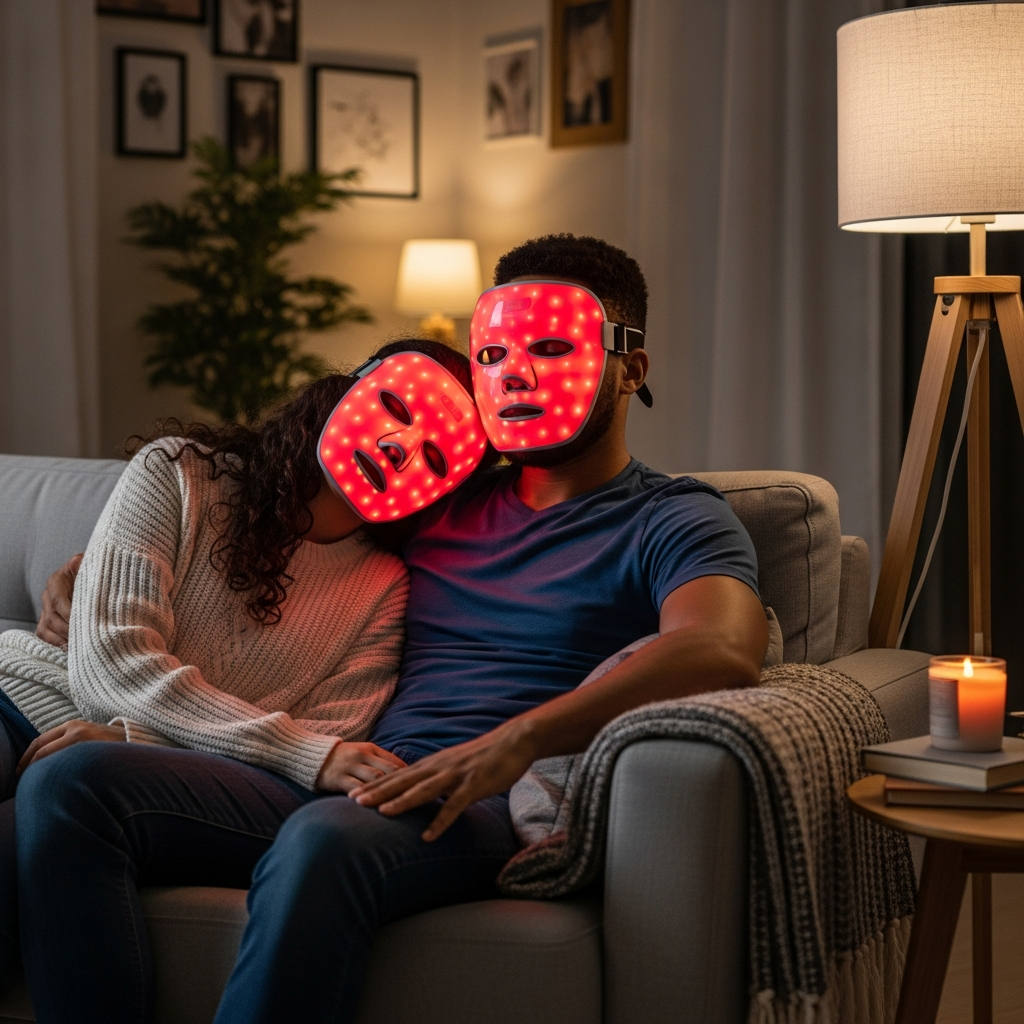
You know that feeling when you discover something that sounds too good to be true? Like when your friend swears by some miracle skincare routine, or your neighbor claims their new gadget solved decades of back pain… and you’re sitting there thinking, “Yeah, right.”
That’s exactly how I felt the first time someone told me about red light therapy. Picture this: you literally just stand in front of a panel of red lights for 10-20 minutes a day, and supposedly it helps with everything from wrinkles to joint pain to better sleep. My initial reaction? *Sure, Karen. And I bet it also makes your coffee taste better and teaches your dog to do taxes.*
But here’s the thing – I kept hearing about it. Not just from the usual wellness influencer crowd (though they were definitely talking), but from actual doctors, physical therapists, and people I trusted. Athletes were using it. Dermatologists were recommending it. Even some of the most skeptical people I knew were quietly investing in these glowing red panels for their homes.
So naturally, I had to dig deeper. Because if you’re anything like me, you’ve probably been burned before by health trends that promised the moon and delivered… well, let’s just say disappointment doesn’t begin to cover it.
The thing is, red light therapy – or photobiomodulation if we’re being fancy – isn’t actually new. NASA started researching it back in the ’90s for wound healing in space (because apparently even astronauts need skincare). The military has used it for decades. But now it’s everywhere, from high-end spas to Amazon, and suddenly everyone’s wondering: is this actually safe to use every single day?
And that question? It’s more important than you might think.
See, we’re living in this weird time where we can buy powerful therapeutic devices online just as easily as ordering lunch. Twenty years ago, if you wanted red light therapy, you’d go to a clinic, have a consultation, maybe get some professional guidance. Now? You can have a panel delivered to your door tomorrow and start zapping yourself with zero instruction beyond whatever you find on YouTube.
Don’t get me wrong – I’m all for taking health into your own hands. But with great power comes great responsibility… and potentially great confusion about whether you’re helping or harming yourself.
The daily use question is especially tricky because, well, more isn’t always better. Think about it – you wouldn’t take vitamins randomly throughout the day just because they’re good for you, right? Your skin needs recovery time between treatments. Your cells have natural rhythms. And your eyes… let’s just say they weren’t exactly designed for staring into bright red lights without protection.
Plus, there’s the whole issue of quality. The red light therapy device market is basically the Wild West right now. You’ve got everything from $50 handheld gadgets that might as well be fancy flashlights, to $3,000 professional-grade panels that could probably illuminate a small stadium. The safety implications between these aren’t exactly trivial.
But here’s what really gets me excited about this whole thing – when done right, red light therapy might actually live up to some of its hype. The research is genuinely impressive in certain areas. We’re talking about potential benefits for skin health, muscle recovery, inflammation, even cellular energy production at the mitochondrial level. (Yeah, I know, mitochondria – the powerhouse of the cell. Eighth-grade biology finally becomes relevant.)
The key phrase there? “When done right.”
So if you’re considering adding red light therapy to your daily routine – or if you’ve already started and you’re wondering whether you should keep going – you’re asking exactly the right questions. Because the difference between safe, effective daily use and potentially problematic overexposure often comes down to details that nobody talks about in those glossy marketing videos.
We’re going to walk through everything you need to know: the actual science behind daily safety, what the research really shows, how to spot red flags (pun intended) in devices and protocols, and most importantly, how to figure out what’s right for your specific situation. No hype, no scare tactics – just the information you need to make a smart decision about your health.
What Exactly Is This Red Light Everyone’s Talking About?
You know that warm, slightly orange-ish glow from those fancy LED panels you’ve been seeing everywhere? That’s red light therapy – though honestly, the name’s a bit misleading since we’re actually dealing with both red and near-infrared light. Think of it like this: if regular sunlight is a full orchestra, red light therapy is just the string section playing a very specific tune.
We’re talking about wavelengths between 660 and 850 nanometers, which… okay, that sounds super technical and kind of meaningless unless you’re a physicist. Here’s what matters: this particular range of light can actually penetrate your skin (unlike, say, blue light which just bounces right off). It’s like the difference between knocking on a door versus having a key that actually opens it.
Your Cells Are Basically Tiny Power Plants
Here’s where things get interesting – and admittedly a little weird if you think about it too hard. Your cells contain these microscopic structures called mitochondria, which are essentially tiny power plants churning out energy all day long. They’re the reason you can think, move, heal, and basically… exist.
Now, these cellular power plants have this quirky relationship with specific wavelengths of red and near-infrared light. It’s almost like they have light-sensitive switches that get flipped when exposed to the right frequencies. The technical term is “photobiomodulation” – which sounds intimidating but really just means “using light to influence biological processes.”
When these wavelengths hit your mitochondria, they seem to work more efficiently. Think of it like tuning up a car engine – everything just runs a bit smoother afterward.
The Not-So-Simple Science Behind the Glow
This is where I’ll be honest with you – the exact mechanisms are still being figured out by researchers. We know it works (there’s plenty of evidence for that), but the *how* is… well, it’s complicated.
What we do know is that red light therapy appears to boost something called ATP production. ATP is basically your body’s currency – like having cash in your cellular wallet. More ATP generally means better healing, reduced inflammation, and improved cellular function. It’s also thought to influence nitric oxide production, which affects blood flow and… actually, you know what? Let me not go down that rabbit hole right now.
The point is, your body seems to have built-in mechanisms that respond positively to these specific light wavelengths. Kind of like how plants use sunlight for photosynthesis, except your version is more about repair and optimization than making energy from scratch.
Why Your Skin Actually Matters Here
One thing that threw me when I first learned about this – and maybe it’ll surprise you too – is how much your skin’s condition affects the whole process. Red light therapy isn’t just *about* your skin; your skin is the gateway for everything else.
If you’ve got thick, sun-damaged skin, or if you’re dealing with a lot of melanin (which naturally absorbs light), less of that therapeutic light is going to reach the deeper tissues where the real action happens. It’s like trying to read a book through a dirty window – technically possible, but not ideal.
This is partly why some people see dramatic results while others are left wondering what all the fuss is about. Your skin is essentially the bouncer at the club, deciding how much light gets through to the party happening in your cells.
The Dosage Dilemma That Confuses Everyone
Here’s something counterintuitive that trips up a lot of people: more isn’t necessarily better with red light therapy. In fact, there’s something called the “biphasic dose response” – basically, a little bit helps, a moderate amount helps even more, but too much can actually work against you.
Think of it like watering a plant. A little water? Good. The right amount? Perfect. Drowning it? Well, that’s not going to end well.
This is why the daily use question isn’t as straightforward as you might think. It’s not just about whether the light itself is safe (spoiler: it generally is), but whether you’re giving your cells the right amount of stimulation without overwhelming them.
The tricky part? Everyone’s “right amount” seems to be a bit different…
Setting Up Your Daily Routine (Without Going Overboard)
Look, I get it – when something works, we want to do it more, right? But here’s what I’ve learned from working with hundreds of clients: consistency beats intensity every single time. Your skin cells aren’t marathon runners… they’re more like steady joggers who appreciate a predictable schedule.
Start with 10-15 minutes, three times a week. I know that sounds almost too simple, but trust me on this. Your mitochondria (those little cellular powerhouses) need time to actually use the light energy you’re giving them. Think of it like watering a plant – a steady sprinkle works better than drowning it once a week.
Once you’ve done that for two weeks without any irritation, you can bump it up to daily sessions. But – and this is important – keep those sessions short. We’re talking 15-20 minutes max. I’ve seen people get carried away and sit under their red light panels for an hour thinking “more is better.” Spoiler alert: it’s not.
The Distance Game Everyone Gets Wrong
Here’s something most people mess up completely: how far to sit from the device. The manufacturers usually say 6-12 inches, but that’s actually pretty aggressive if you’re planning to use it daily.
For everyday use, I recommend starting at 18-24 inches away. Yes, really. You’ll get gentler, more even coverage, and you’re way less likely to overdo it. Think of it like getting a tan – you wouldn’t lay directly under the sun at noon, would you? Same principle applies here.
As your skin gets used to the treatment (usually after about a month), you can gradually move closer. But honestly? I have clients who’ve been at 18 inches for years and love their results. Sometimes the tortoise really does win the race.
Reading Your Body’s Signals
Your skin will tell you everything you need to know – you just have to listen. After each session, do a quick check-in. Mild warmth? Perfect. That’s exactly what we want.
But if you’re seeing any redness that lasts more than 30 minutes, back off. And I mean really back off – either increase your distance, shorten your time, or take a day or two off. Some people think a little redness means it’s “working harder.” Actually, it means you’re potentially interfering with the healing process you’re trying to encourage.
Here’s a weird tip that works: take a photo of the treatment area before you start your routine. Not for social media (please don’t post your belly shots), but for comparison. Sometimes we don’t notice gradual changes, and having that baseline can help you spot both improvements and any issues early on.
The Timing Sweet Spot
Morning or evening? I get asked this constantly, and here’s my take: it doesn’t matter as much as you think. What matters is that you can stick with it.
That said, many of my clients prefer morning sessions because the light gives them a gentle energy boost without interfering with sleep. Plus, there’s something nice about starting your day with 15 minutes of quiet time under warm red light… it’s almost meditative.
If you’re using it for wound healing or targeting specific issues, consistency is more important than timing. But if you’re dealing with sleep problems, maybe avoid evening sessions initially – some people find red light energizing.
Making It Actually Stick
Let’s be honest – the best red light therapy routine is the one you’ll actually do. I’ve seen people buy expensive panels that collect dust because they never figured out how to make it part of their day.
Here’s what works: attach it to something you already do. While your coffee brews. During your morning news routine. Right after you brush your teeth. The key is making it feel automatic, not like another item on your to-do list.
And here’s a secret from someone who’s been doing this for years… set a gentle timer. I cannot tell you how many times I’ve gotten distracted and realized I’d been sitting there for 45 minutes watching Netflix under my red light panel. Consistency over intensity, remember?
The goal isn’t to become a red light therapy expert overnight. It’s to find a routine that feels sustainable and gives you the benefits you’re looking for without any drama. Start small, pay attention to your body, and adjust as you go.
When Red Light Therapy Feels Like Another Chore
Let’s be real – you bought that red light device with the best intentions. Maybe you even used it religiously for the first week. But now? It’s gathering dust next to your abandoned juicer and that exercise bike you swore you’d use daily.
The biggest challenge isn’t the therapy itself – it’s fitting another thing into your already packed routine. Standing in front of a panel for 10-20 minutes might not sound like much, but when you’re juggling work calls, meal prep, and everything else… well, it adds up fast.
Here’s what actually works: stack it with something you already do. Brush your teeth during your session. Check emails (though maybe not work ones – this should feel restorative). Listen to that podcast you never have time for. One of my clients does her red light therapy while her coffee brews in the morning. By the time her session’s done, breakfast is ready.
The “Am I Doing This Right?” Spiral
Nothing derails consistency quite like second-guessing yourself. You’ll find yourself wondering: Am I too close? Too far? Should I feel something? Is that slight warmth normal, or am I frying my skin?
The uncertainty is maddening, especially when different sources give conflicting advice. One website says 6 inches away, another says 12. Some people swear they feel energized immediately; others notice changes after weeks.
The solution isn’t perfect information – it’s accepting that there’s a learning curve. Start conservatively: 12 inches away, 10 minutes, every other day. Your skin should feel comfortably warm, never hot. If you’re not sure about distance, err on the side of caution. You can always adjust as you get more comfortable.
And honestly? Most people overthink this. The devices are designed with safety margins built in.
Eye Protection Anxiety (It’s Real)
This one keeps people up at night – literally. You’ve read about protecting your eyes, but then you see influencers doing red light therapy without goggles, and suddenly you’re spiraling into research rabbit holes about retinal damage at 2 AM.
The good news: quality red light devices operating in the 660-850nm range aren’t going to blind you. But that doesn’t mean you should stare directly into them like you’re having a contest with the sun.
Simple fix: close your eyes or look away. If you’re doing facial treatments and want extra peace of mind, get proper red light goggles (not just any sunglasses – they won’t help). But don’t let perfect be the enemy of good. I know plenty of people who’ve been using red light therapy safely for years without goggles – they just don’t look directly at the lights.
When Your Skin Rebels
Sometimes your skin decides to throw a tantrum right after you start red light therapy. Maybe you break out, or notice some unusual redness, or feel more sensitive than usual. Your first instinct? Panic and assume red light therapy is evil.
But here’s the thing – your skin might just be adjusting. Think of it like starting a new exercise routine; sometimes you’re sore at first. Some people experience what practitioners call a “healing response” – basically, your skin working through issues that were already brewing beneath the surface.
That said, you know your body better than anyone. If something feels genuinely wrong – not just different, but wrong – back off. Reduce frequency, increase distance, or take a break entirely. There’s no shame in adjusting your approach.
The Expectation Game
Perhaps the hardest challenge is managing your own hopes. You want this to work – maybe desperately. You’re dealing with stubborn acne, chronic pain, or signs of aging that make you avoid mirrors. When results don’t appear overnight, disappointment hits hard.
Red light therapy isn’t magic, despite what some marketing makes it sound like. Real changes often happen gradually – so gradually you might not notice day to day. Take photos. Keep notes. But more importantly, remember that healing isn’t always linear.
Some days will feel like progress. Others won’t. That’s not failure – that’s biology being complicated and messy, just like everything else about being human.
The people who stick with it long enough to see real benefits? They’re not the ones who had perfect routines from day one. They’re the ones who kept adjusting, kept showing up imperfectly, and gave their bodies time to respond.
What to Expect in Your First Few Weeks
Here’s the thing about red light therapy – it’s not like taking an aspirin where you feel better in thirty minutes. Think of it more like starting a garden. You plant the seeds (your first sessions), water them consistently, and then… you wait. And wait some more.
Most people don’t notice anything dramatic in the first week or two. That’s completely normal, even though I know it’s frustrating when you’re eager to see results. Your cells are busy doing their thing – ramping up ATP production, reducing inflammation, encouraging collagen synthesis – but these changes happen at the cellular level first.
Around week three or four? That’s when things start getting interesting. You might notice your skin looks a bit brighter, or that nagging shoulder pain isn’t quite as sharp in the mornings. Some folks report sleeping better, though we’re not entirely sure why (the research is still catching up on that one).
The timeline really depends on what you’re hoping to achieve. Skin improvements – fine lines, texture, that general “glow” everyone talks about – typically show up around the 4-6 week mark. Pain relief can be faster for some people, slower for others. It’s like asking how long it takes to get stronger at the gym… it depends on where you’re starting and how consistent you are.
Starting Your Daily Routine (Without Overdoing It)
I always tell people to start small, even though I know you’re probably tempted to blast yourself for an hour on day one. Don’t. Your skin needs time to adjust, just like you wouldn’t run a marathon on your first day of training.
Start with 10-15 minutes per area, maybe every other day for the first week. Yes, I know the manual says you can do it daily right away, but trust me on this one. I’ve seen too many people get overzealous and end up with mild irritation or fatigue that could’ve been easily avoided.
Once you’ve done a week or two without any issues, then you can bump up to daily sessions. Most devices are designed for 10-20 minutes per treatment area – and that’s really all you need. More isn’t better here (I know, I know, it goes against everything we’ve been taught about “no pain, no gain”).
Distance matters too. Most panels work best when you’re about 6-12 inches away. Too close and you might get too much intensity; too far and you’re basically just getting expensive mood lighting.
Red Flags to Watch For
Look, side effects with red light therapy are pretty rare, but you should know what’s not normal. A little warmth during treatment? Totally fine. Your skin feeling slightly energized afterward? Also normal.
What’s not normal: persistent headaches after sessions, skin that stays red or irritated hours later, feeling unusually tired or “off” after treatments. If any of that happens, take a break and maybe check in with someone who knows what they’re talking about (that could be us, your doctor, or even the device manufacturer).
Some people report vivid dreams or slight sleep changes when they first start – nothing alarming, just… different. It usually settles down after a week or two.
Planning for the Long Haul
Here’s where I need to be honest with you: this isn’t a quick fix. The people who get the best results are the ones who stick with it for months, not weeks. I’ve seen folks give up after three weeks because they expected overnight transformation, and that’s just not how biology works.
Think of it like brushing your teeth – you do it daily because consistent care prevents problems and maintains health. Same principle applies here.
Most people find their sweet spot somewhere between 3-6 months of regular use. That’s when the cumulative effects really start showing up. Your skin has had time to build new collagen, inflammation has had a chance to calm down, and your cells have gotten into a rhythm with the enhanced energy production.
And here’s something nobody talks about – you’ll probably want to continue using it even after you reach your goals. Not because you have to, but because you’ll likely feel better when you do. It’s like how you keep exercising even after you’ve lost the weight… because maintaining feels better than starting over.
Here’s what I want you to know – and I mean this from the heart – taking that first step toward better health doesn’t have to be overwhelming or complicated. You’ve made it this far, researching red light therapy, asking the right questions about safety… that tells me you’re already moving in the right direction.
Look, I get it. There’s so much health information out there, it can feel like drinking from a fire hose sometimes. One day something’s the miracle cure, the next it’s supposedly dangerous. But red light therapy? It’s one of those rare treatments that actually has solid science backing it up, minimal side effects, and yes – it’s generally safe for daily use when you’re smart about it.
The Real Talk About Your Health Journey
The truth is, sustainable weight loss and wellness isn’t just about finding one perfect solution. It’s more like… building a house, you know? Red light therapy might be one really good brick, but you need a solid foundation of proper nutrition, movement that doesn’t make you miserable, and support from people who actually understand what you’re going through.
That’s where we come in. We’ve seen thousands of people navigate this path – some who’ve tried everything under the sun (including red light therapy), others who are just starting to explore their options. What we’ve learned is that cookie-cutter approaches don’t work. Your body, your lifestyle, your challenges… they’re uniquely yours.
Maybe red light therapy fits perfectly into your routine. Maybe it doesn’t. Maybe you’re dealing with stubborn weight that won’t budge despite your best efforts, or perhaps you’re managing health conditions that make traditional weight loss approaches feel impossible. Whatever your situation, you deserve personalized guidance from people who’ve actually helped solve these problems before.
You Don’t Have to Figure This Out Alone
I know how isolating it can feel when you’re trying to make sense of all the conflicting health information out there. Should you try this supplement? Is that exercise program worth it? Will red light therapy actually help, or is it just another expensive gadget?
The beautiful thing about working with our team is that we help you cut through all that noise. We look at your complete picture – your medical history, your goals, what you’ve already tried, what’s worked and what hasn’t. Then we create a plan that actually makes sense for your real life.
Red light therapy might be part of that plan. Or we might discover something completely different that’s a better fit for you. Either way, you won’t be guessing anymore.
Ready to Get Some Real Answers?
If you’re tired of wondering whether you’re doing the right things for your health… if you want guidance that’s actually tailored to you instead of generic advice… we’d love to talk.
Reach out to us. Schedule a consultation. Ask all your questions – about red light therapy, about weight loss, about whatever health concerns are keeping you up at night. We’re here to listen, to understand your unique situation, and to help you create a plan that actually works.
Because you deserve more than just hope – you deserve results that last.