How Long Does It Take to See Results From Red Light Therapy?

You know that moment when you buy something promising amazing results – maybe it’s a skincare product, a workout program, or that fancy kitchen gadget that’s supposed to change your life – and you find yourself checking the mirror every single day, wondering when the magic’s going to happen?
I get it. We’ve all been there.
And if you’re reading this, chances are you’re in that exact spot with red light therapy. Maybe you just invested in one of those sleek LED panels, or perhaps you’ve started sessions at a wellness clinic. Either way, you’re probably doing what we all do… standing there in your bathroom, squinting at yourself from different angles, asking the mirror (and Google) the same question over and over: “When am I actually going to see something happen here?”
Here’s the thing – and this might sound familiar – red light therapy isn’t like taking an aspirin for a headache. You don’t flip a switch and suddenly your skin looks ten years younger, your muscles stop aching, or your energy levels shoot through the roof. It’s more like… well, think of it like going to the gym. You wouldn’t expect to see abs after one workout, right? But somehow, when we invest in wellness treatments, we expect overnight miracles.
The reality? Red light therapy works on what I call “cellular time” – not “Instagram time.” Your cells are busy doing their thing, repairing, regenerating, producing more collagen, improving circulation… but they’re working behind the scenes. It’s like having a renovation crew working in your basement while you’re trying to figure out why your living room doesn’t look different yet.
And here’s where it gets really interesting (and maybe a little frustrating): the timeline isn’t the same for everyone. Your best friend might start glowing after two weeks while you’re still waiting for… anything… after a month. That doesn’t mean it’s not working – it just means your body has its own agenda.
Actually, let me back up a second. Before we even talk about timelines, we need to address the elephant in the room: what exactly are you hoping to see? Because – and I can’t stress this enough – if you’re expecting red light therapy to work like a magic wand, you’re setting yourself up for disappointment. But if you understand what it actually does (hint: it’s pretty amazing, just not in a fairy tale kind of way), then you’ll know what to look for and when.
The truth is, some benefits show up surprisingly quickly. Others take their sweet time. And some… well, some are working away inside your body in ways you might not even notice at first. It’s like compound interest – the real payoff builds over time.
I’ve seen people get discouraged and quit right before they would have started seeing the good stuff. Don’t be that person. The key is knowing what to expect when, so you can stick with it long enough to actually get the results you’re after.
Over the next few minutes, we’re going to walk through the real timeline of red light therapy results – not the marketing promises, but what actually happens in your body and when you’re likely to notice it. We’ll talk about why some people see changes faster than others (spoiler: it’s not just luck), what those early signs of progress actually look like, and – probably most importantly – how to know if it’s working even when you can’t see obvious changes yet.
Because here’s what I’ve learned after years of working with people using red light therapy: the ones who get the best results aren’t necessarily the ones with the “best” genetics or the most expensive equipment. They’re the ones who understand the process, set realistic expectations, and stick with it long enough for their bodies to actually respond.
Ready to find out what that timeline really looks like for you?
What Exactly Is Red Light Therapy?
Picture your skin cells as tiny solar panels – except instead of converting sunlight into electricity, they’re converting specific wavelengths of red and near-infrared light into cellular energy. That’s essentially what’s happening with red light therapy, though the reality is… well, it’s messier and more fascinating than that simple analogy.
Red light therapy uses LED panels or handheld devices that emit light between 660-850 nanometers. Don’t worry about memorizing those numbers – just know that this particular range of light penetrates your skin without the harmful effects of UV rays. It’s like getting the benefits of sunshine without the sunburn risk.
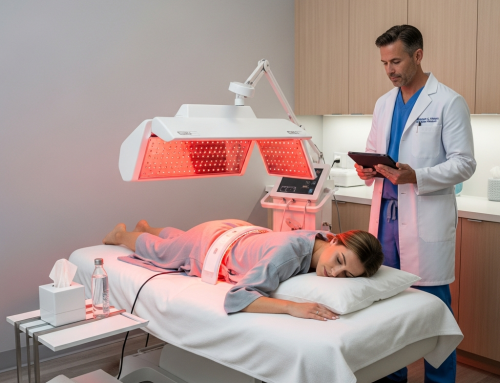
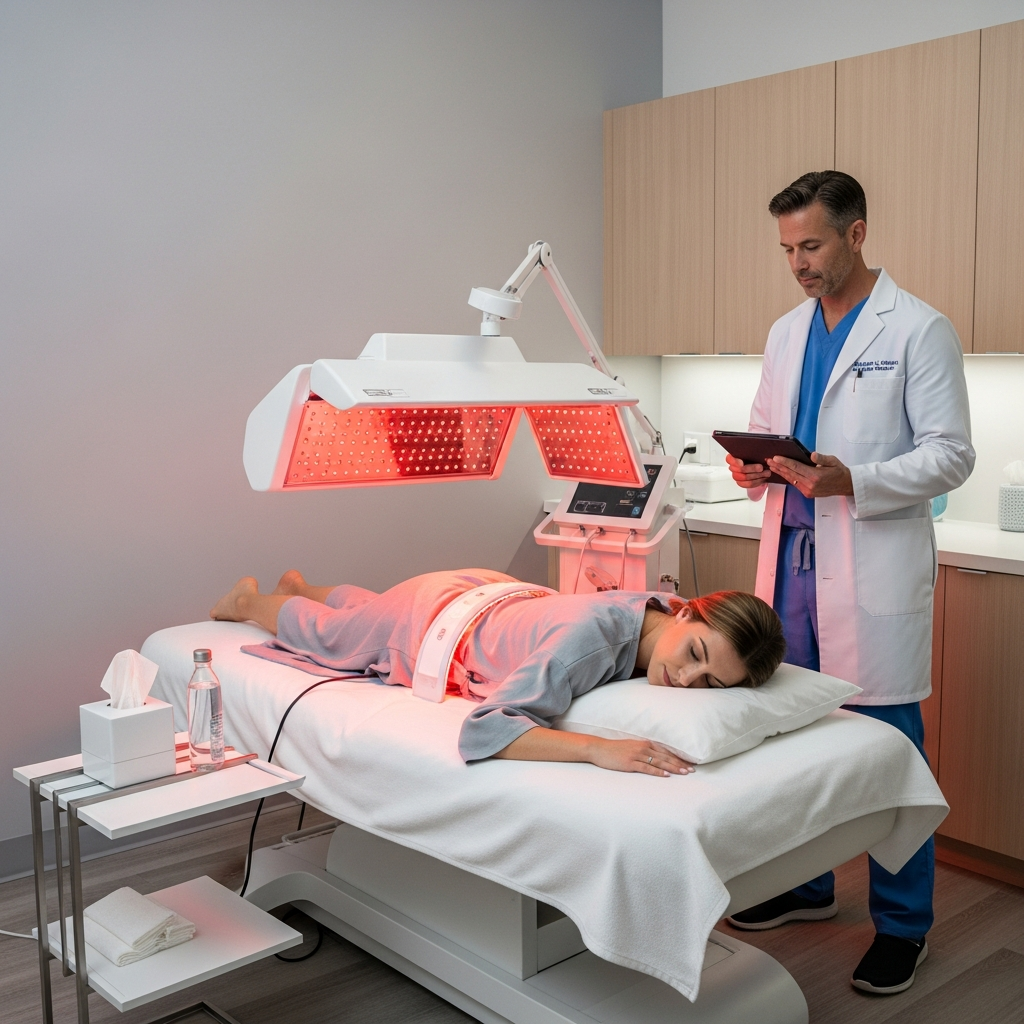
The devices themselves look surprisingly ordinary. Some resemble oversized tablets, others look like sci-fi face masks, and the professional-grade panels at clinics can be as large as bathroom mirrors. Honestly, the first time I saw one, I thought it looked like something from a tanning salon’s gentler cousin.
The Cellular Magic (And Why It’s Not Actually Magic)
Here’s where things get counterintuitive. You’d think shining light on your body would heat things up, but red light therapy isn’t about warmth – it’s about energy production at the cellular level.
Your cells contain these microscopic powerhouses called mitochondria. Think of them as the cell’s power plants. When red light hits these mitochondria, it stimulates an enzyme called cytochrome c oxidase (try saying that three times fast). This enzyme kickstarts a process that produces more ATP – basically, cellular fuel.
More cellular fuel means your cells can work more efficiently. They can repair damage faster, produce collagen more effectively, reduce inflammation… it’s like giving your cellular workforce an energy drink, except the effects last longer and don’t come with a crash.
Why Different Wavelengths Matter
Not all red light is created equal, and this is where things get technical for a minute. The 660nm wavelength penetrates about 1-2mm into your skin – perfect for surface-level issues like acne or fine lines. The 850nm near-infrared light? That goes deeper, potentially reaching muscles and joints several centimeters below the surface.
Some devices combine both wavelengths, which is like having a Swiss Army knife instead of a single blade. You’re addressing multiple layers of tissue simultaneously. Actually, that reminds me – this is why you’ll see some devices that look red when they’re on, while others appear to emit no visible light at all. The near-infrared wavelengths are invisible to our eyes.
The Inflammation Connection
Here’s something that confused me initially: red light therapy works partly by reducing inflammation, but inflammation isn’t always the enemy. Acute inflammation – like when you cut your finger – is your body’s natural healing response. It’s chronic, low-grade inflammation that causes problems.
Red light therapy seems to help modulate inflammatory responses, dialing down the excessive inflammation while supporting the healing kind. It’s like having a smart thermostat for your body’s inflammatory system instead of just an on/off switch.
What Conditions Respond Best?
The research is strongest for skin health, wound healing, and certain types of pain. We’re seeing promising results for acne, wrinkles, muscle recovery, and even hair growth. Some people use it for seasonal affective disorder, though that’s venturing into less established territory.
But here’s the thing – and this might disappoint some people – red light therapy isn’t a miracle cure. It’s more like a helpful nudge in the right direction. Your body still has to do the actual work of healing and repair.
Setting Realistic Expectations
I wish I could tell you that red light therapy works like a light switch (pun intended), but the timeline varies dramatically depending on what you’re trying to achieve. Surface-level skin improvements might show up in weeks, while deeper structural changes could take months.
Think of it like exercise for your cells. You wouldn’t expect to see muscle definition after one workout, right? Same principle applies here. Consistency matters more than intensity, and patience is your friend.
The good news? Unlike some treatments that require you to get worse before you get better, red light therapy is generally gentle. Most people don’t experience any downtime or significant side effects… though we’ll dive deeper into timelines and what to expect in the next sections.
Start Small, Think Long-Term
Here’s what nobody tells you about red light therapy – you don’t need to go from zero to hero overnight. I’ve seen too many people burn out (pun intended) by jumping into 20-minute sessions right away. Start with just 5-10 minutes, three times a week. Your skin needs time to adapt, and honestly? Your schedule does too.
Think of it like starting a new workout routine. You wouldn’t deadlift 200 pounds on day one, right? Same principle here. Build the habit first, then worry about optimizing later.
The Distance Sweet Spot
Most people get this wrong – they either sit too far away or practically press their face against the device. The magic happens at about 6-12 inches from your skin. Any closer and you’re wasting energy (it gets too diffused), any farther and… well, you might as well be sunbathing under a streetlamp.
I always tell my clients to use the “comfortable warmth” rule. You should feel a gentle, pleasant warmth – not burning, not nothing. If you can’t feel anything, move closer. If it’s uncomfortable, back up a bit.
Track Like Your Results Depend on It (Because They Do)
You know how you can’t tell if you’re losing weight without a scale? Same thing here. Take photos – good ones. Same lighting, same angle, same time of day. I recommend morning photos because that’s when inflammation is typically lowest.
Keep a simple log too. Date, duration, distance, how you felt afterward. After two weeks, you’ll start seeing patterns. Maybe your skin looks better after evening sessions, or perhaps shorter, more frequent treatments work better for you than longer ones.
Consistency Beats Intensity Every Single Time
This is where most people mess up – they’ll do hour-long sessions twice a week instead of 10-minute sessions daily. Red light therapy isn’t like a massage where longer automatically means better. It’s more like brushing your teeth… consistent daily action trumps occasional marathon sessions.
Your cells are like little solar panels that need regular charging. Miss a few days? No big deal. Miss a few weeks? You’re basically starting over.
The Timing Game
Here’s something interesting – when you use red light therapy might matter more than you think. For skin issues, many people find morning sessions work well because they’re treating skin that’s been repairing overnight. For muscle recovery, post-workout timing makes sense.
But here’s the thing… the “perfect” time is the time you’ll actually do it consistently. Don’t overthink this part.
What to Actually Expect (And When)
Let me be real with you for a minute. The first week? You might feel great, you might feel nothing, you might even feel a little worse as your body adjusts. This is normal – don’t panic and don’t quit.
Around week two, you might notice subtle changes. Better sleep, maybe. Skin that feels… different somehow. Week three is usually when people start thinking, “Okay, something’s definitely happening here.”
By week four? That’s typically when the “before” photos start looking dramatically different from your current reflection.
Common Mistakes That Kill Results
Don’t use red light therapy through glass or clothing – it blocks the wavelengths you need. Don’t assume more is better – I’ve seen people overdo it and actually slow their progress. And please, don’t expect overnight miracles. This isn’t Botox or a chemical peel.
Also – and this might sound obvious but you’d be surprised – make sure your device is actually on. I’ve had clients “wonder why it wasn’t working” only to discover they’d been sitting in front of a very expensive red nightlight.
Stack It Smart
Red light therapy plays well with others. Pair it with your skincare routine (use it before serums – the light can actually help products absorb better). Combine it with gentle exercise for muscle recovery. Just don’t pile on ten new wellness routines at once, or you’ll never know what’s actually working.
The key is integration, not addition. Work it into what you’re already doing rather than creating a whole separate wellness ritual you’ll abandon by month two.
When the Glow Doesn’t Show (Yet)
Let’s be real – you’ve been sitting in front of that red light panel for two weeks, and you’re starting to wonder if you bought an expensive mood lamp. I get it. The biggest challenge with red light therapy isn’t the commitment… it’s the waiting.
Most people expect to see something – anything – within the first week. But red light therapy works at the cellular level, which means changes happen from the inside out. Think of it like planting seeds. You water them daily, but you don’t see sprouts for weeks. That doesn’t mean nothing’s happening underground.
The solution? Track the subtle stuff. Keep a simple log – how’s your sleep? Energy levels? That nagging shoulder pain? Sometimes the first signs aren’t dramatic weight loss or glowing skin, but better recovery after workouts or waking up less groggy.
The Consistency Trap
Here’s what trips up almost everyone: life gets in the way. You start strong, using your device religiously for a week. Then work gets crazy, the kids get sick, or you simply forget because – let’s face it – standing in front of a light panel isn’t exactly thrilling.
Missing a few sessions here and there won’t derail your progress, but sporadic use will. Red light therapy is like exercise for your cells – you need regular “workouts” to see results.
The fix? Make it stupidly easy. Put your device somewhere you can’t miss it. I know people who use theirs while brushing their teeth, during their morning coffee, or while scrolling their phones (multitasking at its finest). One client told me she sets up her panel in the bathroom and uses it every morning while doing her skincare routine. Brilliant.
The Distance Dilemma
This one’s huge, and most people get it wrong. You might think closer is better – more intensity, faster results, right? Not necessarily.
Stand too close, and you might not be getting optimal light penetration. Too far away, and you’re basically getting expensive mood lighting. Most devices work best at 6-12 inches from your skin, but here’s the thing – almost nobody measures this consistently.
Get yourself a cheap measuring tape and mark the sweet spot with tape on the floor. Sounds obsessive? Maybe. But it eliminates the guesswork and ensures you’re actually getting therapeutic doses, not just… well, standing around in red light.
The “More is Better” Mistake
When results feel slow, the temptation is to crank up the time. If 10 minutes is good, surely 30 minutes is better, right?
Actually, that’s like thinking you can get a tan faster by staying in the sun longer. Your cells can only absorb so much light energy at once. Overdoing it can actually slow your progress – and yes, you can get too much of a good thing with red light therapy.
Stick to the recommended timeframes for your device. Usually that’s 10-20 minutes per session. Your cells need time to process what they’ve received before the next “dose.”
When Nothing Seems to Happen
Sometimes… it really does take longer than expected. Your friend saw results in three weeks, but you’re at week six with nothing to show for it. Before you give up, consider these culprits
Your skin tone might affect light penetration. Medications can interfere with cellular processes. Stress, poor sleep, or inadequate nutrition can slow healing responses. Even hormonal fluctuations play a role.
This isn’t about making excuses – it’s about being realistic. Some people’s cells are just more responsive than others, the same way some people build muscle faster at the gym.
If you’re genuinely not seeing any changes after 8-10 weeks of consistent use, it’s worth talking to someone who understands both red light therapy and your specific health situation. Sometimes a small adjustment in technique or timing makes all the difference.
The Comparison Game
Instagram is full of dramatic before-and-after photos, but remember – people don’t usually post their “meh” results. Your progress might be slower or look different, and that’s completely normal.
Focus on how you feel, not just what you see in the mirror. Better sleep counts. Less inflammation counts. Faster workout recovery counts. These might not make for stunning social media posts, but they’re real improvements in your quality of life.
Setting Realistic Expectations (Because Nobody Likes Disappointment)
Here’s the thing about red light therapy – it’s not a magic wand. I wish I could tell you that you’ll wake up tomorrow looking like you stepped out of a wellness magazine, but that’s just not how biology works.
Most people start noticing subtle changes around the 2-3 week mark. And I mean subtle. We’re talking about that friend who hasn’t seen you in a while saying “You look… different. Good different!” but not being able to pinpoint exactly what it is.
The tricky part? Your brain loves instant gratification, but your cells operate on their own timeline. Think of it like planting a garden – you don’t see much happening above ground for weeks, but there’s a whole lot of cellular renovation going on beneath the surface. Your mitochondria are basically throwing a renovation party, and parties take time to clean up after.
Some folks get impatient around week 3 and think it’s not working. Don’t be that person. Actually, let me share something I’ve learned from working with thousands of patients: the people who see the best results are usually the ones who forget they’re even doing it. They just make it part of their routine and then – surprise! – they look in the mirror one day and think, “Huh, when did that happen?”
What “Normal” Progress Actually Looks Like
Week 1-2: Probably nothing dramatic. Maybe you sleep slightly better, or your skin feels a bit more… alive? Hard to describe, really.
Week 3-4: This is when people typically start taking progress photos and actually seeing differences. Fine lines might look softer. Skin tone could be more even. If you’re using it for pain, you might notice you’re not reaching for the ibuprofen as often.
Month 2-3: Now we’re talking. This is usually when the “before and after” photos start looking impressive. Skin texture improves, and if weight loss is your goal, you might notice your clothes fitting differently – even if the scale hasn’t moved much.
Month 4+: The maintenance phase. You’re not going to see dramatic week-to-week changes anymore, but you’re maintaining and slowly building on your results.
But here’s what I really want you to understand – everyone’s baseline is different. Someone with sun damage from decades of beach vacations isn’t going to see changes as quickly as someone who’s always been diligent about sunscreen. Someone dealing with chronic inflammation might need longer than someone who’s relatively healthy to begin with.
Your Next Steps (The Practical Stuff)
First things first – consistency beats intensity every single time. I’d rather you do 10 minutes every day than 30 minutes twice a week. Your cells don’t store up light energy like a battery; they need regular, consistent exposure to keep the cellular machinery humming.
Start taking photos now, even if you think you look terrible. Trust me on this. Use the same lighting, same angle, same expression (or lack thereof – we’re going for documentation, not glamour shots). Your memory is surprisingly unreliable when it comes to gradual changes.
Track how you feel, not just how you look. Are you sleeping better? Do you have more energy? Is that nagging shoulder pain less… nagging? Sometimes the most significant changes aren’t visible in the mirror.
Give it at least 8-12 weeks before you decide if it’s working. I know that feels like forever in our instant-everything world, but cellular regeneration doesn’t care about your timeline. It has its own schedule, and frankly, it’s been perfecting this process for millions of years – it probably knows what it’s doing.
And please, please don’t expect red light therapy to solve everything. It’s a powerful tool, but it works best as part of a bigger picture. You can’t out-light a terrible diet, chronic stress, or consistently poor sleep. Think of it as one really good player on your wellness team, not the entire team.
The people who see the most dramatic results? They’re usually doing other things right too – eating well, managing stress, staying hydrated, getting decent sleep. Red light therapy amplifies good habits; it doesn’t replace them.
So be patient with yourself, be consistent with your sessions, and remember – the best results often sneak up on you when you’re not obsessing over them.
You know what I love most about working with people who are exploring red light therapy? It’s watching that moment when they realize this isn’t about chasing some miracle cure – it’s about giving their body a gentle, consistent tool to support what it already knows how to do.
Look, I get it. You’ve probably been down this road before with other treatments that promised the world and delivered… well, not much. The beautiful thing about red light therapy is that it doesn’t make those wild promises. Instead, it works quietly in the background, supporting your cells’ natural processes. Some people notice changes in their energy within days, others see skin improvements after a few weeks, and for deeper healing – like wound recovery or chronic pain relief – you’re looking at months rather than weeks.
The Real Timeline That Matters
Here’s what I tell everyone who asks about timing: your body has been through a lot. Maybe you’re dealing with stubborn weight that won’t budge, skin issues that make you avoid mirrors, or that nagging pain that’s become your unwelcome daily companion. These things didn’t develop overnight, and they won’t disappear overnight either – not even with red light therapy.
But here’s the thing… you don’t need to wait for “perfect results” to feel better about taking action. I’ve seen people get excited just knowing they’re doing something proactive for their health. That psychological boost? It happens immediately, and honestly, it’s not nothing.
The research shows us that cellular changes begin within minutes of exposure, but visible changes typically show up somewhere between 2-12 weeks depending on what you’re addressing. Weight loss support might take longer to become obvious, while energy improvements often happen much sooner. Your timeline is uniquely yours.
You Don’t Have to Figure This Out Alone
One of the biggest mistakes I see people make is trying to navigate this stuff solo. They’ll buy a device, use it sporadically, wonder why they’re not seeing results, and then give up. Or they’ll read conflicting information online and get completely overwhelmed by all the technical details about wavelengths and dosages.
That’s exactly why we’re here. Medical weight loss isn’t just about prescriptions and meal plans – it’s about understanding how different therapies work together to support your overall health goals. Red light therapy can be an incredible addition to your wellness routine, but it works best when it’s part of a thoughtful, personalized approach.
We’ve helped hundreds of people figure out realistic timelines, proper protocols, and how to combine red light therapy with other treatments for better results. More importantly, we help you set expectations that actually make sense for your situation.
If you’re curious about whether red light therapy might be a good fit for your goals, don’t spend weeks researching yourself into confusion. Give us a call. We’d love to chat about your specific situation, answer your questions (trust me, we’ve heard them all), and help you figure out if this is worth exploring.
You deserve to feel confident in your choices, supported in your efforts, and realistic about your timeline. Let’s figure this out together.