What Is Red Light Therapy and How Does It Work?
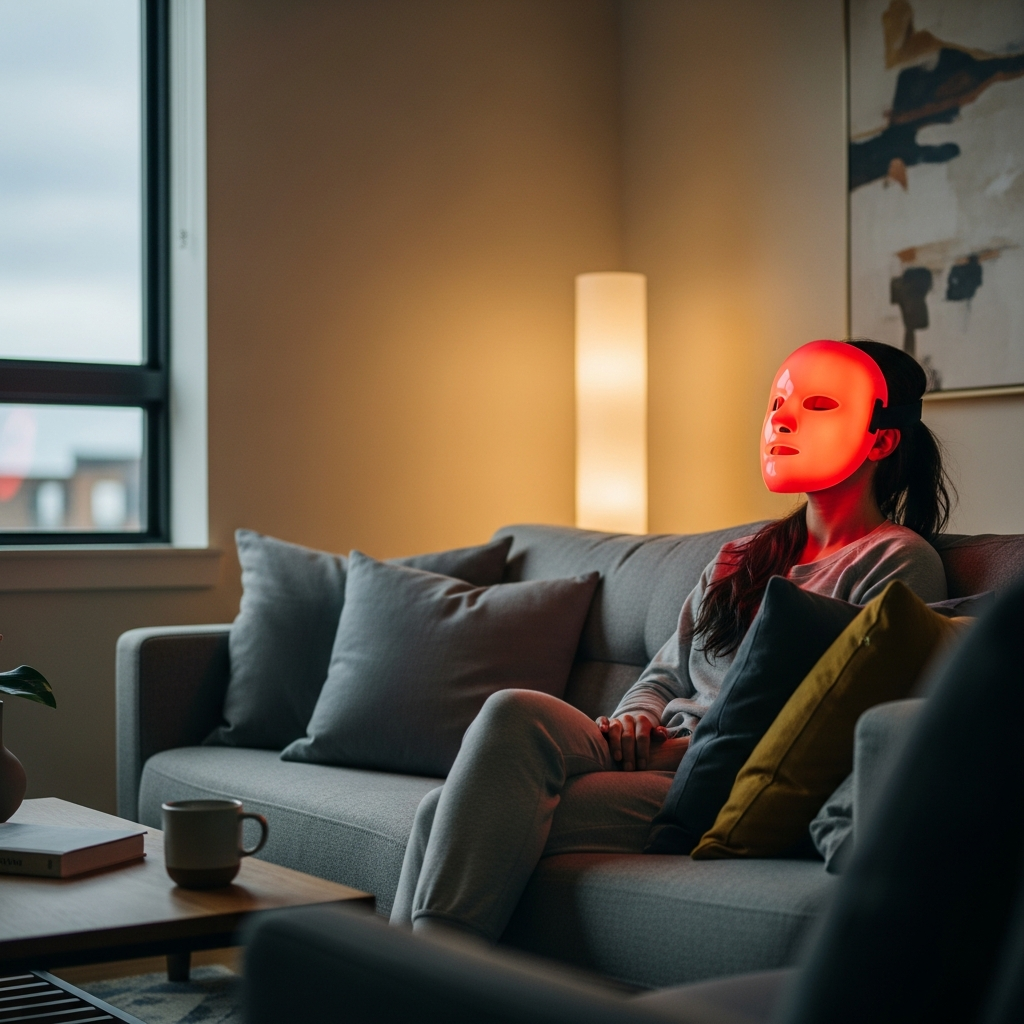
You’re scrolling through social media at 2 AM (again), and there it is – another influencer standing in front of what looks like a futuristic tanning bed, but instead of that harsh UV glow, it’s bathed in an ethereal red light. They’re claiming it melted away their stubborn belly fat, cleared their skin, and somehow made them feel like they had the energy of their twenty-something self.
Your first instinct? Eye roll. Hard.
But then… you keep seeing it. Your neighbor mentions trying it at some fancy wellness center. Your coworker swears it helped with those nagging aches that make getting out of bed feel like a negotiation with your joints. And honestly? After months of feeling like your metabolism decided to take an extended vacation, you’re curious enough to wonder if there’s actually something to this red light thing – or if it’s just another wellness fad that’ll be replaced by crystal-infused water bottles next month.
Here’s the thing – you’re not wrong to be skeptical. We’ve all been burned by miracle cures and overnight transformations (remember when we thought wrapping ourselves in plastic wrap would somehow shrink our waistlines?). But red light therapy isn’t some Instagram invention or late-night infomercial scheme. It’s actually been quietly studied by researchers for decades, and the science behind it is… well, it’s pretty fascinating once you get past all the marketing noise.
The real question isn’t whether red light therapy works – it’s whether it works for what *you* need it to work for. Because here’s what nobody talks about in those glossy before-and-after posts: not every treatment works for every person, and definitely not in the dramatic, life-changing way the internet wants you to believe.
But that doesn’t mean it’s not worth understanding.
See, if you’re dealing with weight that just won’t budge despite your best efforts… if you’re tired of feeling tired all the time… if your skin looks like it’s given up on you, or your muscles ache in ways that make you feel older than your driver’s license suggests – then you deserve to know what’s actually happening when you expose your body to specific wavelengths of red and near-infrared light.
And I mean *really* understand it. Not the oversimplified “it boosts collagen!” explanations you see everywhere, but the actual cellular processes that might be occurring. Because when you understand how something works – really works – you can make smarter decisions about whether it’s worth your time, money, and hope.
That’s exactly what we’re going to explore together. We’ll dig into what red light therapy actually is (spoiler: it’s not just pretty lights), how it supposedly works at the cellular level, and what the research actually shows about its effects on weight loss, skin health, muscle recovery, and overall wellness. We’ll also talk about what it *doesn’t* do – because knowing the limitations is just as important as understanding the potential benefits.
You’ll learn about the different types of devices out there (from those massive panels that cost more than your monthly mortgage to handheld gadgets that promise the same results), what wavelengths actually matter, and how to spot the difference between legitimate research and clever marketing disguised as science.
Most importantly, you’ll get the real story – the messy, complicated, sometimes-it-works-sometimes-it-doesn’t truth about red light therapy. Because you don’t need another miracle cure. You need accurate information that helps you make decisions that actually make sense for your life, your body, and your goals.
Ready to separate the red light facts from the fiction? Let’s figure out whether this glowing trend deserves a spot in your wellness routine – or if your skepticism was right all along.
The Science That Sounds Like Fiction
Here’s where things get a little… well, weird. Red light therapy works on a cellular level, and honestly, when I first learned about this stuff, I thought someone was pulling my leg. You’re basically shining light on your body and expecting your cells to perk up like houseplants in a sunny window.
But that analogy isn’t far off, actually. Just like plants use light for photosynthesis, our cells have their own way of “eating” light. The difference is we’re not making sugar – we’re supercharging our cellular powerhouses called mitochondria. Think of mitochondria as tiny batteries inside every cell. When they’re running low, you feel tired, your skin looks dull, and everything just feels… meh.
Red light therapy is like plugging those batteries into a charger. The specific wavelengths – usually between 660 to 850 nanometers, if you’re keeping track – get absorbed by something called cytochrome c oxidase. (I know, it sounds like something from chemistry class that made you want to take a nap.)
Why Red Light Gets VIP Treatment
Here’s what’s fascinating: not all light is created equal. Your cells are incredibly picky about what they’ll respond to. Blue light? Messes with your sleep. UV light? Well, we all know that story ends with sunburn and premature aging.
But red and near-infrared light? That’s the sweet spot. It penetrates deeper into your skin – we’re talking several millimeters, sometimes more – without the drama of other wavelengths. It’s like having a backstage pass that gets you past all the bouncers (your skin’s natural barriers) and straight to where the action happens.
The really counterintuitive part is that we can’t even see some of the most effective wavelengths. Near-infrared light is invisible to us, which makes the whole thing feel a bit like magic. You’re sitting there under what might look like a regular light panel, and invisible rays are supposedly working miracles at the cellular level. I get why people are skeptical.
The Cellular Domino Effect
Once those mitochondria start humming with more energy, it sets off this beautiful cascade of events. More ATP (that’s cellular currency, basically) means your cells can do their jobs better. Repair damage faster. Make more collagen. Fight inflammation more effectively.
It’s like when you finally get a good night’s sleep after weeks of being exhausted – suddenly you can think clearly, you have energy to exercise, you’re more patient with everyone around you. That’s what’s happening to your cells, just on a microscopic level.
The increased blood flow is another piece of the puzzle. Better circulation means more oxygen and nutrients reaching your tissues, plus more efficient waste removal. Think of it as upgrading from a country road to a superhighway for your body’s delivery system.
The Timing and Dose Dilemma
Now here’s where it gets tricky – and honestly, a little frustrating. Unlike popping a vitamin where more seems better, red light therapy follows something called the biphasic dose response. Basically, there’s a Goldilocks zone: too little light and nothing happens, too much and you might actually inhibit the benefits you’re after.
It’s like watering plants. A little water, and they thrive. Flood them, and they drown. The challenge is figuring out what “just right” means for different people and different conditions.
Most research suggests sessions anywhere from 10 to 20 minutes, but that can vary wildly depending on the device’s power, your skin type, what you’re trying to achieve… It’s enough to make your head spin, honestly.
What Actually Happens During Treatment
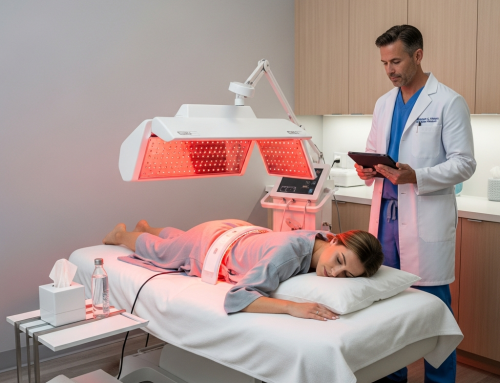
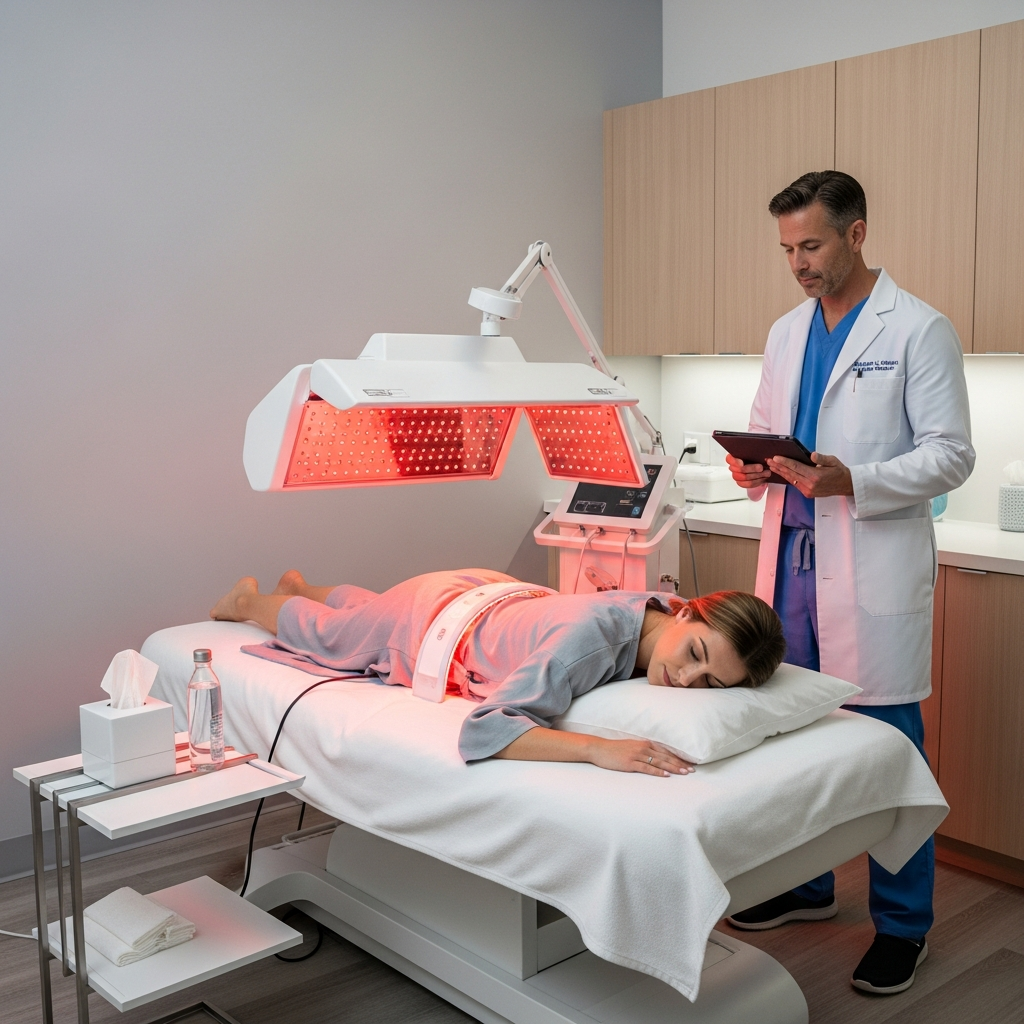
During a typical session, you’re not going to feel much of anything. Maybe some gentle warmth, but that’s about it. No tingling, no dramatic sensations – which can be disappointing if you’re used to treatments that make you feel like something’s definitely happening.
Your cells are busy at work, but they’re not sending you a memo about it. The changes happen gradually, often over weeks rather than days. It’s more like strength training than emergency surgery – consistent, patient work that builds up over time rather than instant transformation.
The whole process is remarkably gentle, which is both reassuring and occasionally doubt-inducing. Sometimes we expect healing to hurt a little, you know?
Getting Started Without Breaking the Bank
Look, you don’t need to drop $3,000 on a professional-grade panel right out of the gate. I get it – we’re already investing in our health journey, and every dollar counts. Start with a smaller, FDA-cleared device around $200-300. These handheld units work perfectly for targeting specific areas like your face, joints, or that stubborn belly fat that just won’t budge.
Here’s what I wish someone had told me: check the wavelength specs before buying anything. You want devices that emit between 660-850 nanometers – that’s the sweet spot where your cells actually absorb the light effectively. If a manufacturer won’t list their wavelengths clearly? Red flag. Move on.
Timing Is Everything (And It’s Not What You Think)
Most people mess this up completely. They think more is better, so they blast themselves with red light for 30-40 minutes. Wrong move. Your cells can only absorb so much energy at once – think of it like trying to drink from a fire hose.
The magic number? 10-20 minutes per session, depending on your device’s power output. I typically tell my patients to start with 10 minutes and gradually work up. And here’s the kicker – consistency beats intensity every single time. Twenty minutes once a week won’t do much. But 10 minutes every other day? That’s where you’ll see real changes.
Morning sessions work best for most people. Something about that natural circadian rhythm boost… plus, you’re more likely to stick with it before life gets crazy.
The Distance Game Nobody Talks About
Your device manual probably says “hold 6 inches away” or something equally vague. But here’s what actually matters: you want to find that Goldilocks zone where you feel gentle warmth – not nothing, not uncomfortable heat, but that perfect middle ground.
For most handheld devices, that’s about 4-6 inches from your skin. For larger panels? You might be sitting 12-18 inches away. The key is that gentle warming sensation – that tells you the light is penetrating properly without overwhelming your tissues.
Maximizing Your Sessions (The Insider Tips)
Clean skin absorbs red light better. I don’t mean scrubbed raw, just wash off any lotions, makeup, or sunscreen beforehand. These create barriers that can block up to 50% of the light from reaching your cells.
Target multiple areas in rotation rather than focusing obsessively on one spot. Monday and Thursday – face and neck. Tuesday and Friday – abdomen. Wednesday and Saturday – any problem areas. This prevents overexposure while maximizing your overall benefits.
And here’s something most people don’t consider: your hydration status affects how well your cells respond to red light therapy. Dehydrated cells can’t utilize the energy as effectively, so drink plenty of water throughout the day – especially before your sessions.
What to Actually Expect (Reality Check Time)
Everyone wants to know: “When will I see results?” The honest answer? It depends on what you’re targeting and how consistent you are. For skin improvements, you might notice subtle changes in 2-3 weeks. For deeper benefits like enhanced recovery or metabolic support, we’re talking 6-8 weeks of regular use.
Don’t expect dramatic overnight transformations. Red light therapy works at the cellular level – it’s more like compound interest than a lottery win. Small improvements that build over time.
Safety First (But Don’t Overthink It)
Your eyes are the only real concern here. Never stare directly into red light devices. Some people worry about cancer risk or skin damage, but red light therapy actually has one of the safest profiles in all of aesthetic medicine. Just use common sense – if something feels too hot or uncomfortable, back away or reduce your session time.
Pregnant women should check with their doctors first (standard precaution for any therapy), and if you’re taking photosensitizing medications, give your physician a heads up.
Making It Stick
The biggest mistake? Buying a device and letting it collect dust. Set a phone reminder for the first month. Put your device somewhere visible – not buried in a bathroom drawer. Maybe pair it with something you already do daily, like your morning coffee or evening skincare routine.
Track your progress with photos if you’re targeting skin concerns, or keep a simple log of how you feel – energy levels, sleep quality, recovery after workouts. Sometimes the benefits are more subtle than we expect, and having that record helps you see patterns you might otherwise miss.
The Reality Check: What Actually Goes Wrong
Let’s be honest – red light therapy sounds almost too good to be true, doesn’t it? And when you’re first getting started, it can feel like you’re fumbling around in the dark (pun intended). The biggest challenge most people face isn’t the therapy itself… it’s managing their expectations while figuring out what the heck they’re actually doing.
Here’s the thing that nobody tells you upfront: red light therapy is more like strength training than taking an aspirin. You don’t pop a session and feel amazing the next morning. It’s a slow burn – literally and figuratively.
The Consistency Trap (And How to Escape It)
This might be the number one reason people give up. You buy your device, use it religiously for a week, maybe two… then life happens. You skip a day, then another, and suddenly that expensive panel is collecting dust next to your forgotten exercise bike.
The solution isn’t willpower – it’s systems. Instead of trying to carve out a perfect 20-minute window, stack your red light session with something you already do consistently. Brush your teeth under it. Check emails. Watch Netflix (though you might want to protect your eyes). I know someone who does her sessions while her coffee brews every morning. Smart, right?
Start smaller than you think you should. Five minutes consistently beats twenty minutes sporadically. You can always build up once the habit sticks.
The “Am I Doing This Right?” Spiral
Distance matters. Angle matters. Duration matters. Power density matters. And honestly? It’s enough to make your head spin. You’ll find yourself measuring distances with rulers, downloading light meter apps, and second-guessing everything.
Take a breath. While optimization is great, perfectionism is the enemy of progress. Most quality devices come with guidelines – start there. Generally, you want to be 6-18 inches away from the device, depending on its power. Too close and you might feel uncomfortably warm. Too far and you’re basically getting expensive mood lighting.
Here’s a practical tip: if your skin feels noticeably warm (not burning, just warm), you’re probably in the right zone. Your body will tell you more than any calculator will.
The Expectation Rollercoaster
This one’s tricky because everyone responds differently, and the internet is full of dramatic before-and-after stories that might not match your experience. Some people notice changes in a few weeks. Others need months. And some lucky folks feel more energetic after just a few sessions.
The reality is that red light therapy often works behind the scenes first – improving circulation, supporting cellular energy production, helping with recovery – before you see obvious external changes. It’s like how eating better makes you feel good before it shows up in your lab work.
Keep a simple log. Not an elaborate tracking system that becomes another chore, but quick notes about energy levels, sleep quality, how your skin looks, how you feel after workouts. Sometimes patterns emerge that you wouldn’t notice otherwise.
The Device Dilemma
Oh boy, the choices. Panels, targeted devices, full-body setups that cost more than your car payment. And then there’s the technical specs – wavelengths, power output, beam angles. It’s like shopping for a TV when you just want to watch Netflix.
Start with your primary concern and budget. Skin issues? A smaller, targeted device might work perfectly. General wellness and energy? A panel gives you more coverage. Don’t get caught up in having the absolute best specs if something more modest fits your life better.
And here’s something most reviews won’t tell you: the “best” device is the one you’ll actually use consistently. A mid-range panel that fits easily in your routine beats a top-tier system that stays in the closet.
When Nothing Seems to Happen
This might be the most frustrating challenge of all. You’ve been consistent, you’re following the guidelines, and… crickets. No obvious changes, no dramatic improvements. It’s tempting to assume it’s not working.
But here’s the thing – your body might be responding in ways you don’t immediately notice. Maybe you’re recovering from workouts slightly faster. Perhaps your sleep is a bit deeper. Sometimes the benefits are subtle but real.
Give it at least 4-6 weeks of consistent use before making major adjustments. If you’re still not seeing any benefits after that, it might be worth consulting with someone who understands both red light therapy and your specific health situation. Sometimes it’s about tweaking the approach, not abandoning it entirely.
Setting Realistic Expectations (Because Nobody Likes Surprises)
Here’s the thing about red light therapy – it’s not going to transform your life overnight. I know, I know… that’s probably not what you want to hear when you’re excited about trying something new. But trust me, managing your expectations from the start will save you a lot of frustration down the road.
Most people start seeing subtle changes around the 4-6 week mark. And I mean *subtle* – we’re talking about noticing your skin looks a bit more radiant, or maybe that nagging shoulder pain isn’t quite as sharp. The dramatic before-and-after photos you see online? Those usually represent months of consistent use, not a few sessions.
Think of it like going to the gym. You wouldn’t expect abs after a week of workouts, right? Red light therapy works similarly – it’s encouraging your cells to do their job better, but that takes time. Your mitochondria (remember those cellular powerhouses?) need time to ramp up their energy production and start making noticeable changes.
Some folks get impatient around week two when they don’t see fireworks. That’s completely normal. Your body is working behind the scenes, even when you can’t see it yet.
What Actually Happens Week by Week
The first couple weeks are usually pretty quiet on the surface. You might feel slightly more energetic, or notice you’re sleeping a bit better – but honestly, you might not notice anything at all. Don’t panic. Your cells are getting the message; they’re just not ready to show off yet.
Around weeks 3-4, people often report subtle improvements in whatever they’re targeting. Skin might look a little brighter, minor aches might ease up slightly, or wound healing might seem to be moving along faster than usual.
The 6-8 week mark is where things get more interesting. This is when consistent users typically start thinking, “Huh, I think this is actually working.” Skin texture improvements become more obvious, pain relief might be more noticeable, and energy levels could feel more stable.
But here’s where I need to be completely honest with you – not everyone responds the same way. Some people are quick responders and see changes in just a few weeks. Others need several months to notice significant improvements. And yes, some people don’t respond dramatically at all. That’s just how biology works, unfortunately.
Your Next Steps (The Practical Stuff)
If you’re thinking about trying red light therapy, start by figuring out what you’re hoping to achieve. Are you dealing with specific pain? Looking to improve your skin? Hoping for better energy levels? Having a clear goal helps you track whether it’s working for you.
Consider starting with professional treatments at a clinic before investing in home devices. It’s like test-driving a car – you want to know if red light therapy agrees with you before making a big purchase. Most clinics offer package deals that let you try several sessions at a better price point.
For home devices, do your homework. Look for devices with the right wavelengths (660-850 nanometers are the sweet spots), adequate power output, and – this is crucial – third-party testing for safety. The market is flooded with cheap knockoffs that might not deliver the right wavelengths or could have safety issues.
Making It Work for You
Consistency beats intensity every single time. It’s better to use your device for 10-15 minutes daily than to do hour-long sessions once a week. Think of it like watering a plant – little and often works better than drowning it occasionally.
Keep a simple log of how you’re feeling. Nothing fancy – just jot down your energy levels, pain levels, or whatever you’re tracking on a scale of 1-10. After a few weeks, you’ll be able to look back and actually see if there are patterns or improvements you might have missed day-to-day.
And please, please don’t stop other treatments that are working for you. Red light therapy works best as part of a broader approach to health, not as a magic replacement for everything else.
The bottom line? Red light therapy can be genuinely helpful for many people, but it requires patience and realistic expectations. Give it at least 6-8 weeks of consistent use before deciding if it’s right for you. Your future self might just thank you for sticking with it.
You know what’s really exciting about all of this? We’re living in a time where something as simple as light – the same stuff that helps plants grow and makes us feel better on sunny days – can actually help our bodies heal and function better. It’s pretty amazing when you think about it.
The Real Talk About Getting Started
Here’s the thing though – and I’m going to be honest with you – red light therapy isn’t some magic wand that’ll transform everything overnight. Your body needs time to respond, and everyone’s different. Some people notice changes in their energy levels within a few weeks, while others might see improvements in their skin or pain levels first. That’s totally normal.
What matters most is finding an approach that fits your life. Maybe you’re dealing with stubborn weight that won’t budge despite your best efforts, or perhaps you’re struggling with inflammation that’s making everything harder. Sometimes it’s both – they tend to feed off each other, don’t they?
The beauty of red light therapy is that it works with your body’s natural processes rather than against them. It’s like… imagine you’re trying to help a friend who’s exhausted. Instead of pushing them to work harder, you’d help them get better sleep, right? That’s essentially what we’re doing here – giving your cells the support they need to do their jobs more effectively.
You Don’t Have to Figure This Out Alone
Look, I get it. There’s so much information out there about health and wellness, and it can feel overwhelming trying to sort through what’s actually helpful versus what’s just marketing fluff. Plus, when you’re already dealing with health concerns or weight struggles, adding another thing to research can feel like… well, like a lot.
That’s exactly why having professional guidance makes such a difference. We’ve seen firsthand how red light therapy can complement other treatments – especially when it comes to supporting your metabolism, reducing inflammation, and helping your body recover more efficiently. But the key word there is *complement*. It works best as part of a comprehensive approach that takes your whole situation into account.
Your Next Step Forward
If you’re curious about whether red light therapy might be a good fit for your goals, why not have a conversation about it? No pressure, no sales pitch – just an honest discussion about what you’re dealing with and what options might make sense for you.
We’re here because we genuinely want to help people feel better in their bodies. Whether that includes red light therapy or not… well, that’s something we can figure out together. Sometimes the most valuable thing is just having someone listen to what you’re going through and help you sort through the possibilities.
Ready to explore what might work for you? Give us a call or send a message. We’d love to chat about your specific situation and see how we can support you. Because here’s what I know for sure – you deserve to feel your best, and you don’t have to navigate this alone.